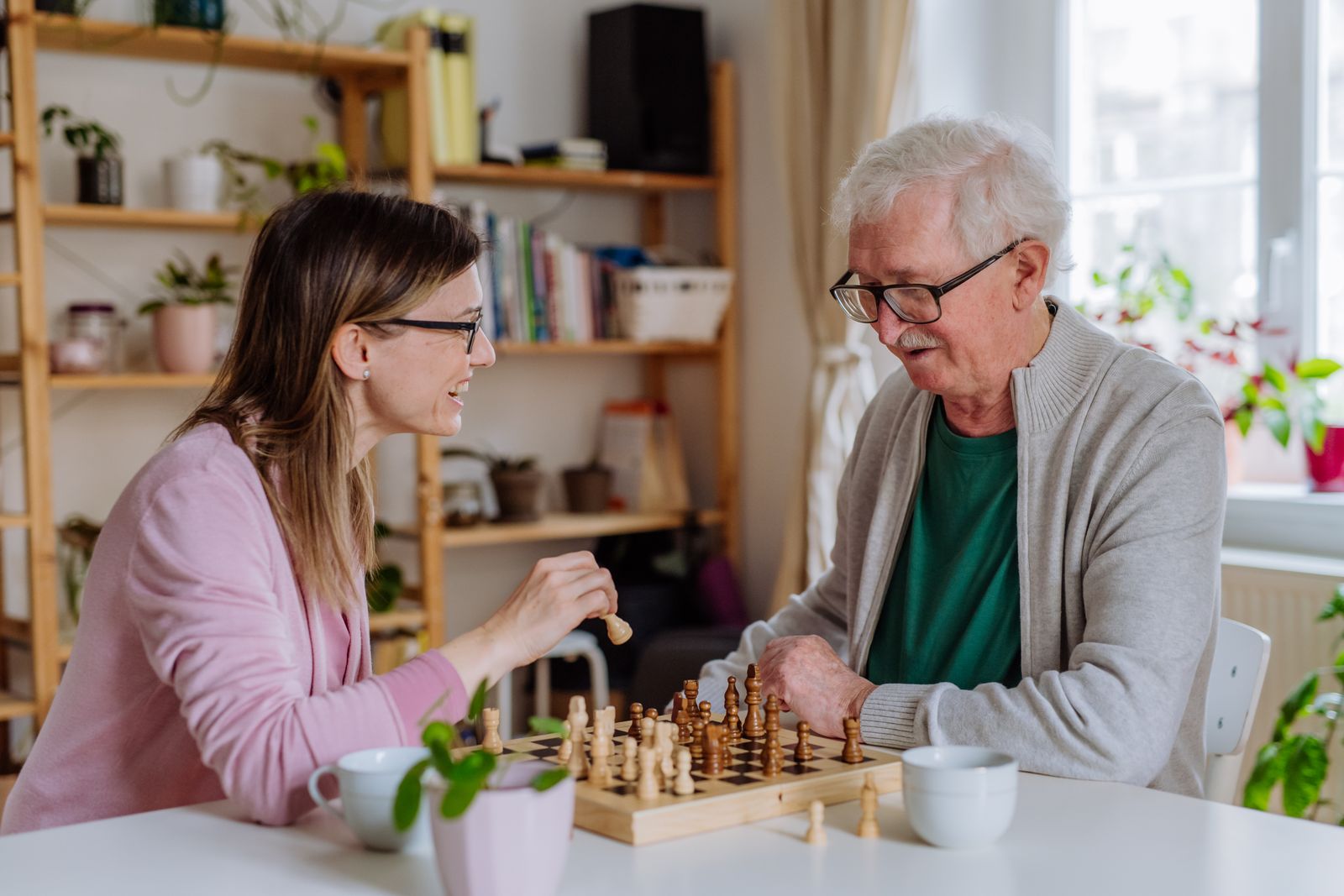

The true costs of caring for a loved one



Caregiving is one of the most meaningful things you can do — and one of the most demanding. Here's what the research tells us, and how to care for yourself along the way.
When a family member needs care, most people step in without hesitation. It's an act of love. But over time, the financial, physical, and emotional costs of caregiving can become overwhelming — often before you fully realize it.
Understanding those costs isn't about discouraging caregiving. It’s meant to help you recognize what you’re carrying, and remind you that support, planning, and care for yourself belong in the picture, too.
More than a part-time role
Caregiving often becomes woven into daily life — and over time, into your identity. Many caregivers find deep purpose and connection in supporting someone they love. At the same time, the responsibilities can gradually intensify.
On average, caregivers spend 27 hours per week providing care. Nearly one in four provides 40 hours or more, the equivalent of a full-time job. And for many, caregiving isn't short term. One-third have been in the role for five years or longer.1
Meaning and fatigue can exist at the same time. Recognizing that truth early creates space to seek support, adjust expectations, and protect your energy as your needs evolve.
Financial realities
Caregiving is rooted in love, but practical considerations still matter. Out-of-pocket spending on food, transportation, medications, and travel gradually adds up, sometimes unexpectedly. Many caregivers spend a significant portion of their income on care-related needs, with long-distance caregivers often facing even higher expenses.2
Nearly half of caregivers report experiencing a significant financial setback related to caregiving. They may pause savings, fall behind on bills, or take on extra work to stay afloat. For nearly one in ten, retirement is postponed indefinitely.3
These adjustments are common, and they don’t reflect poor planning or personal failure. They reflect the real cost of showing up for someone else. The encouraging news is that small, proactive steps can make the financial impact more manageable. Tracking care-related expenses, having early conversations about shared costs, and identifying available benefits or community resources can all help reduce stress and support long-term financial stability.
Caregiving touches every corner of life
Caregiving can bring profound purpose and compassion into your life — and it can also stretch you in unexpected ways. In one survey, 84% of caregivers reported daily stress.4 When your time and energy are pulled in competing directions, sleep, relationships, hobbies, and personal downtime often take a back seat.
Work life may shift as well. Half of employed caregivers have used vacation time to meet care responsibilities. Many adjust their schedules, reduce hours, or take unpaid leave.3 While some may feel reluctant to share what they’re managing at home, these choices reflect dedication, not weakness.
Protecting your well-being often starts with acknowledging what caregiving requires — and recognizing that it’s OK to need support along the way.
Protecting your health
Most caregivers focus instinctively on the needs of others, but your health deserves care too. Many postpone their own medical appointments, delay prescriptions, or ignore early warning signs of stress. Over time, chronic strain can increase the risk of burnout, anxiety, and other health challenges.4
Caring well doesn’t mean feeling strong every day. Emotional fatigue and loneliness are common, especially when caregiving feels isolating.5 Staying connected with family, friends, or other caregivers can be one of the most powerful tools for resilience.
Prioritizing your health isn’t a luxury. It’s one of the most effective ways to continue providing high-quality care over time.
No two caregiving journeys are the same
Caregiving looks different for everyone. A spouse caring for a partner may be processing ongoing grief, while an adult child who cares for a parent may be balancing work and family responsibilities at the same time.
Those in the sandwich generation face competing demands from children and aging parents, while long-distance caregivers often manage logistical and emotional challenges from afar.
Recognizing what makes your caregiving role unique can help you find more personalized, meaningful support.
5 ways to care for yourself
No one can remove every challenge of caregiving. But these practical strategies can help make the journey feel more manageable and supported.
1. Clarify roles within the family
Rather than letting responsibilities fall to one person by default, have open conversations about what each family member can realistically help with. Assigning roles around finances, medical coordination, and daily care can reduce burnout and ease stress across the family.
2. Expand your care team
Support doesn’t have to come from family alone. Friends, neighbors, faith communities, and local organizations may all be willing to help. Community programs, volunteer services, and Area Agencies on Aging can also provide meaningful support. When you widen the circle, you may find more support than you expected.
3. Seek out a support group
Caregiving shouldn’t be a solo experience. Support groups offer more than emotional reassurance. They provide connection, shared problem solving, practical insights, and the comfort of talking with people who understand what you’re experiencing.
“Having a sense of community — emotional connections outside of your caregiving situation — is essential to your ongoing success as a caregiver,” says Jessica Donahue, CareScout Claims Clinical Specialist.
4. Plan for backup before you need it
Every caregiver needs a backup plan. Identify who could step in if needed — whether that’s a trusted family member, neighbor, or care provider — and document your plan in advance. Preparing ahead of time can reduce stress during emergencies, unexpected schedule changes, or times when you simply need a break.
5. Schedule personal time
Build your own well-being into your routine the same way you plan for care tasks. That might include exercise, journaling, time outdoors, social connection, or simply a few quiet moments each day. Caring for yourself also means setting boundaries, asking for help, and recognizing that your needs matter too.
Support starts with you
Caring for someone else begins with love — and it continues through intention, patience, and support. Acknowledging the weight you’re carrying, asking for support, and prioritizing your own well-being aren’t selfish choices. They allow you to keep caring with strength, resilience, and compassion over time.
Consider a Care Plan
When you're considering the financial, physical, and emotional costs of caregiving, it can make all the difference to have a plan in place. A Care Plan can provide personalized guidance that can help.
Expert reviewed by


Jessica Donahue, LICSW
Jessica Donahue is a licensed clinical social worker whose career has concentrated on improving quality of life as we age with a special focus on dementia care and supporting caregivers.
Written by

Cheryl Opell, MBA
Cheryl Opell manages product and channel content for CareScout. With more than 20 years of experience in marketing strategy and content development, she specializes in translating complex topics like long-term care into clear, accessible guidance. She is committed to h...