
What are nursing homes?


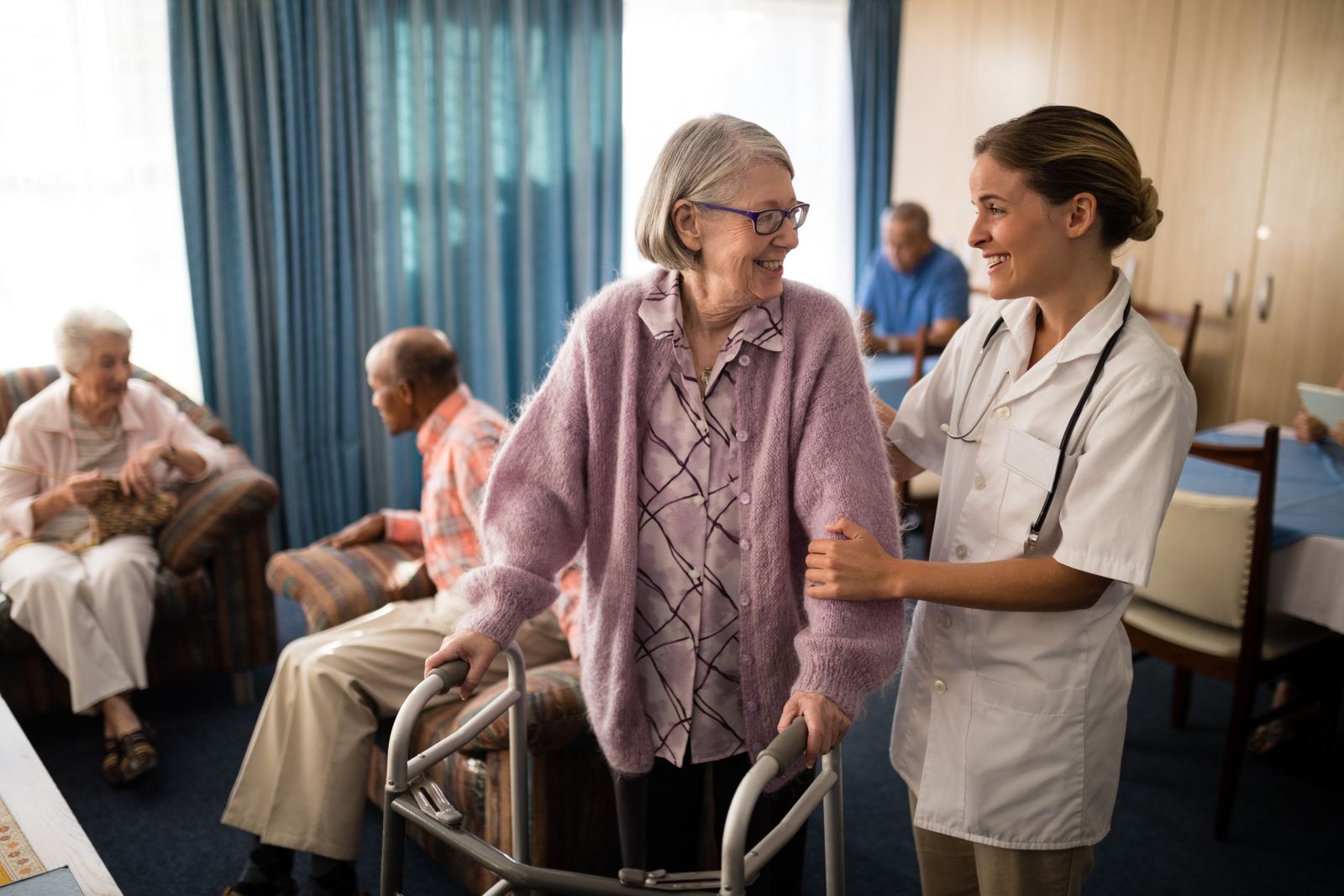
A nursing home is a residential center that provides 24-hour care for people who need assistance with daily activities and medical support.
Designed for those who can’t live independently, nursing homes offer skilled nursing care, dementia care, and help with personal needs, and they provide access to rehabilitative therapies for both short-term and long-term residents.
When your health takes an unexpected turn, due to an illness or injury, finding the right care can make all the difference. If your care needs go beyond what home care or assisted living can provide, a nursing home might be the right next step.
Nursing homes fill a special role when it comes to aging care. They provide 24-hour nursing care for people who don’t need a hospital but can’t live independently.
While the idea of a nursing home can feel overwhelming, stressful, or just unknown, we can tell you the right nursing home takes care of your medical needs and your quality of life. They’re also becoming an increasingly common aging care option — over one-third of older adults are expected to live in a nursing home at some point in their lives.1
So, let’s take a look at nursing homes, what they offer, and whether they’re the right type of care for you or your loved one.
What is a nursing home?
A nursing home is a center or community that provides both short- and long-term skilled nursing care for people who require 24/7 medical care and supervision. It’s the highest level of care you can get without being admitted to a hospital.
You might also hear a nursing home referred to as a skilled nursing facility (SNF). While the terms are often used interchangeably, skilled nursing facility is a term commonly used by healthcare providers and Medicare. Many nursing homes provide both long-term residential care and short-term rehabilitation for people recovering from surgery, illness, injury, or a hospital stay.
Amy Prentzler, senior manager of clinical claims at CareScout, says nursing homes play a special role for those considering aging care.
“These centers can offer professional medical care, 24/7 supervision, social engagement, assistance with daily activities, specialized care, care circle support, and rehabilitation services,” she said. “Overall, nursing homes play a crucial role in ensuring that older adults receive comprehensive care tailored to their unique needs.”
While the term “nursing home” is widely used, you might also hear these centers referred to as:
Care centers
Continuing care centers
Convalescent centers
Havens
Health centers
Homes for the aged
Living centers
Manors
Nursing centers
Nursing homes can also be located inside a hospital or medical center as a separate skilled nursing unit. More often, nursing homes are their own distinct establishments. They can be privately owned, owned by shareholders, or run by non-profit organizations.
What is skilled nursing?
Skilled nursing refers to medical care that must be provided or supervised by licensed healthcare professionals such as registered nurses, licensed practical nurses, and therapists. Unlike personal care services such as bathing, dressing, or meal preparation, skilled nursing involves clinical services that require specialized medical training.
Skilled nursing services can include wound care, IV therapy, medication administration, injections, catheter care, physical therapy, occupational therapy, speech therapy, and ongoing monitoring of chronic health conditions.
Skilled nursing care may be provided in a nursing home, a skilled nursing facility, a rehabilitation center, a hospital, or through certain home health services.
What services does a nursing home provide?
Nursing homes provide a wide range of services focused on helping you manage an illness or recover from an injury or surgery, which can include:
Health monitoring: Regular checks of vital signs and overall health.
24-hour skilled nursing support: Assistance with wound care, IV therapy, injections, catheter care, medication administration, and other medical needs.
Rehabilitation services: Physical, occupational, and speech therapies to assist in your recovery.
Support for activities of daily living (ADLs): Assistance with bathing, dressing, eating, and toileting.
Medicine management: Ensuring medications are taken correctly and on schedule.
Meals: Food can include three meals a day and light snacks.
Social activities: Programming to keep you engaged.
Transportation: Assistance getting to and from appointments.
Housekeeping and laundry: Cleaning and laundry services to keep your room comfortable.
Nursing homes can also specialize in certain types of care such as:
Memory Care: For residents with Alzheimer’s or other forms of dementia.
Sub-Acute Care: A higher level of medical attention than standard nursing care.
Intermediate and rest-home care: For older adults who need moderate assistance.
A nursing home is a nursing home, regardless of its formal name, as long as it provides these services. However, the type and level of care can vary for each nursing home, so it’s important to research and find a nursing home that provides the nursing care you need.
Who lives in a nursing home?
While nursing home residents can have different ages and different health conditions, there are typically two types of residents:
Short-term residents
If you’re recovering from a surgery, injury, or hospital stay you might have a short-term stay in a nursing home. During your stay you can get the proper medical attention to regain your strength through physical, occupational, or speech therapy and receive help with daily tasks until you’re ready to return home.
Long-term residents
If you have a chronic medical condition or disability that requires continuous medical care, you will require a long-term stay at a nursing home. People with advanced Parkinson’s disease, dementia, or significant mobility issues often need the level of care provided by a skilled nursing facility.
What is it like to live at a nursing home?
Living in a nursing home is like living in an assisted living community but with more intensive medical care. Because nursing homes are designed with a focus on your medical needs, they can often feel more clinical than the apartments of an assisted living community, but that doesn’t mean you can’t create a sense of home.
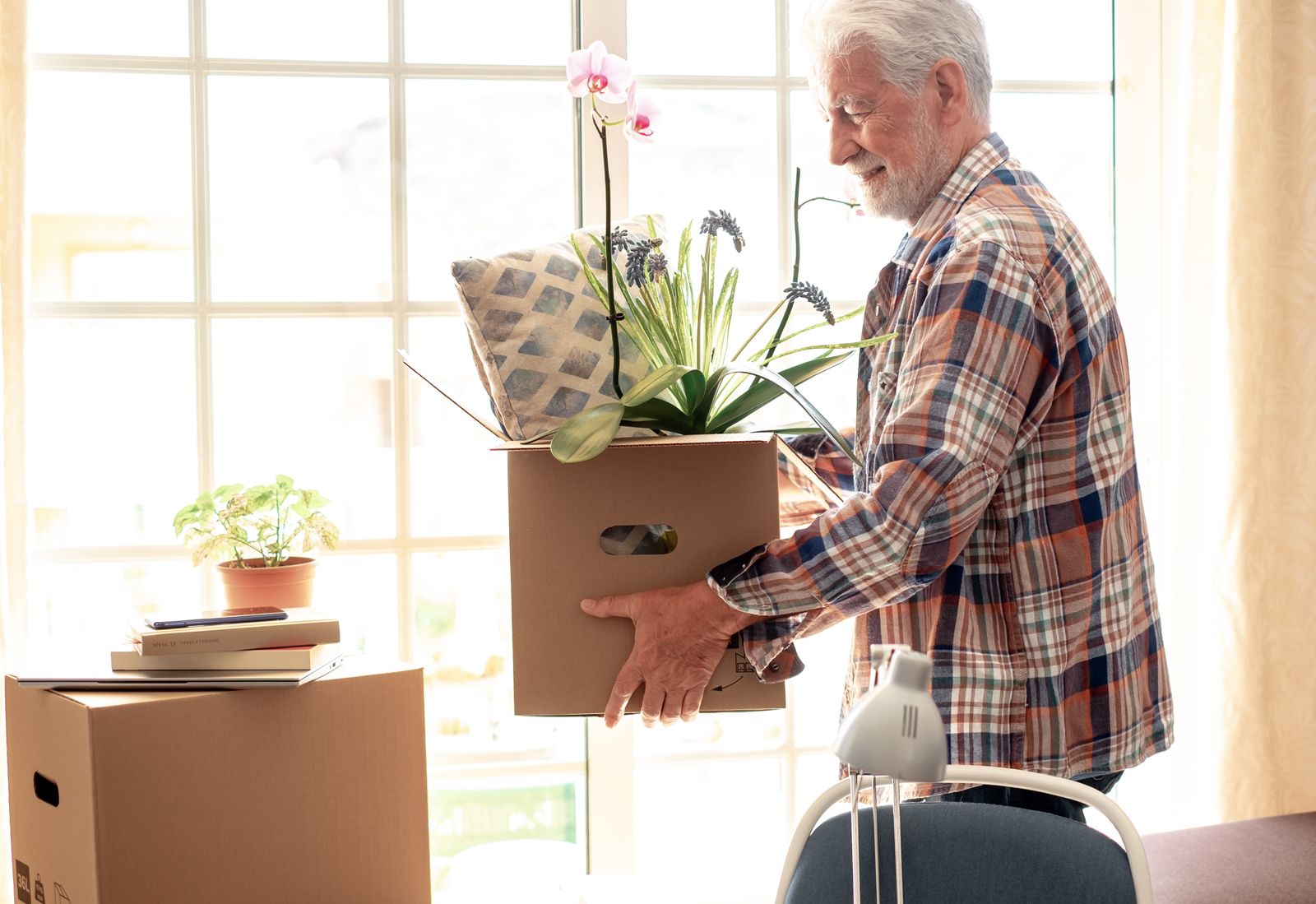
As you explore nursing home options, ask about personal touches you can bring for comfort, such as books, family photos, or other mementos. Some nursing homes also offer warm, inviting spaces, like communal living areas or gardens, where you can relax and enjoy a sense of community.
You’ll also get 24-hour care. This doesn’t mean someone is with you every moment, but it ensures that when you need support, you get it — whether that’s with help using the bathroom at night or medical monitoring throughout the day.
Families can remain actively involved by visiting regularly, communicating with caregivers, participating in care planning, and advocating for their loved one's needs and preferences, says Prentzler. “Simple things like sharing meals, attending activities, or making phone calls can provide comfort, reassurance, and a sense of connection,” she says. “Family members also serve as an important link between residents and staff, offering valuable insight into their loved one's personality, routines, and preferences.”
How much does a nursing home cost?
Like other aging care options, the cost of nursing homes can vary depending on several factors like location, room type, and the level of care you may need.
According to the latest Cost of Care survey data in 2025, the national monthly median cost of a private room in a nursing home is $10,798.
Depending on the length of your stay, there are a few different ways to pay for a nursing home.
Medicare can pay for short-term rehabilitation stays in a nursing home if you qualify. Typically, Medicare covers about 100 days of skilled nursing.
Long-term residents can use private pay or long-term care insurance. If you have a long-term care insurance policy, talk with your insurance carrier to understand your coverage and if you qualify for benefits. Medicaid can also cover your nursing home stay if you’re eligible and if the center accepts Medicaid payments.
When is a nursing home the right choice?
It’s not always easy to know the right time to move to a nursing home. If you’re feeling overwhelmed or uncertain, it can help to discuss with your care circle or a licensed healthcare practitioner, such as your physician, nurse, or social worker, to establish the kind of care you need.
As you think about your options, you might want to consider a short-term nursing home stay if you or your loved one need rehabilitation after surgery or injury and can’t recover at home. If you or they have a medical condition that requires 24/7 care, you may need to consider a long-term stay..
To help with your decision, Prentzler suggests evaluating these other factors:
Complex Medical Needs: “If an individual has chronic illnesses or requires frequent medical attention that cannot be adequately managed at home.”
Need for 24/7 Care: “When a person requires constant supervision or assistance with daily activities, such as bathing, dressing, and medication management.”
Safety Concerns: “If there are concerns about the individual’s safety at home due to memory issues, mobility problems, or the risk of falls.”
Social Isolation: “When an older adult is experiencing loneliness or social isolation, a nursing home can provide opportunities for social interaction and engagement.”
Caregiver Burnout: “If a person’s care circle is feeling overwhelmed or unable to provide the necessary level of care, a nursing home can relieve that burden.”
Rehabilitation Needs: “If someone is recovering from a surgery, an illness, or injury and needs intensive rehabilitation services that are best provided in a skilled setting.”
Cognitive Decline: “If an individual is experiencing significant cognitive decline, such as advanced dementia, and requires specialized care that can’t be provided at home.”
While the right answer isn’t the same for everyone, it really depends on the amount and level of care you require. The right nursing home is the one that provides comprehensive care tailored to your needs.
Frequently asked questions
Is a nursing home the same as a skilled nursing facility?
In many cases, yes. The terms are often used interchangeably, though skilled nursing facility is more commonly used in healthcare settings. Both refer to communities that provide medical care, supervision, and rehabilitation services for people who need a higher level of support.
What is skilled nursing care?
Skilled nursing care is medical care that requires licensed healthcare professionals, such as wound care, IV therapy, rehabilitation therapies, and medication management.
Is a skilled nursing facility a hospital?
No. A skilled nursing facility provides a high level of medical care and rehabilitation, but it does not offer the same level of acute medical treatment as a hospital.
Insurance for your care
One of the biggest factors to consider when choosing a nursing home is the cost. Read our guide to learn how long-term care insurance can cover some of those costs.
Expert reviewed by


Amy Prentzler, MSN, RN
Amy is a Registered Nurse with over 30 years’ experience. Her career ranges from inpatient critical care, home health, hospice, long term care, pharmaceuticals, and long-term care insurance. She has a Master of Science in Nursing and a Bachelor of Science in Busin...
Written by

Brian Dowd
Brian is writer based in New England. He is a passionate storyteller with a knack for finding the extraordinary in the ordinary. He joined CareScout as a Senior Content Writer in 2024. Before that, he worked as a content writer in the senior living industry and worked for several years as an assi...