
Find board and care homes
What is a board and care home?
Board and care homes are small residential care homes with a limited number of residents. They provide housing, meals, supervision, and help with daily activities in a home-like environment, offering a more personal setting than larger assisted living communities, and the caregiver-to-resident ratio is higher.
Board and care home isn’t always the term that’s used. Depending on what state you’re in, you might hear it referred to as a residential care home, adult group home, adult family home, adult foster home, or personal care home.
Most board and care homes include:
- Private or shared rooms
- Meals and snacks
- Housekeeping and laundry
- Help with activities of daily living
- Medication assistance or management
- Supervision and support throughout the day
- Social and recreational activities
Browse board and care homes by state
When might a board and care home be the right fit?
Signs a board and care home may be a good fit
- Help with daily activities is becoming necessary
- A smaller residential setting feels more comfortable than a larger community
- More individualized attention is important
- Meals, housekeeping, and day-to-day support are preferred
- Skilled nursing care isn't needed at the moment
How much does a board and care home cost?
Rates for board and care homes, residential care homes, and similar group homes can be different depending on the location, room type, staffing levels, care needs, and services provided. The pricing format can vary too. Some homes charge a flat monthly rate, while others may assess additional fees based on the amount of care that’s required.
When you compare options, you’ll want to consider not only the monthly rate but also which services are included and whether any costs could go up if care needs change over time.
Factors that affect cost
- Location
- Private or shared room accommodations
- Level of care needed
- Staffing and caregiver availability
- Services included in the monthly rate
- Specialized dementia or behavioral care
- Additional transportation or personal care services
Tip: When you look at board and care homes, ask who provides the care overnight and how staff respond to emergencies. These details can tell you a lot about the home's level of supervision and ability to support residents when unexpected needs come up.
What's typically included?
- Room and board
- Meals and snacks
- Housekeeping and laundry
- Help with daily activities
- Medication assistance
- Supervision and support
- Some social activities
- Transportation services (in some homes)
Compare senior care options
Care option
How it differs from board and care homes
Assisted living: How it differs from board and care homes
Memory care: How it differs from board and care homes
Nursing home: How it differs from board and care homes
In-home care: How it differs from board and care homes
Helpful resources for families

How to know when your older adult parent needs help
Wondering if your parent needs extra support? Review 10 signs your older adult parent needs help to ensure their safety, well-being, and independence.
7 min read

Checklist for family caregivers
Discover the best ways for a family caregiver to use a checklist for senior care. CareScout can help explain what a checklist is used for and why to use it.
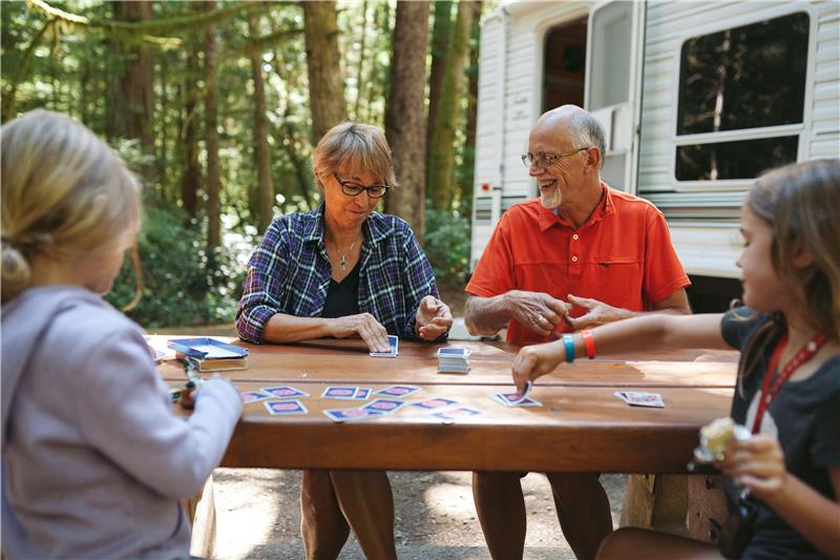
Here’s How Loneliness Is Impacting Older Adults Across the Country
Discover how loneliness is affecting older adults across the country based on data from leading sources.
7 min read