

What is a board and care home?


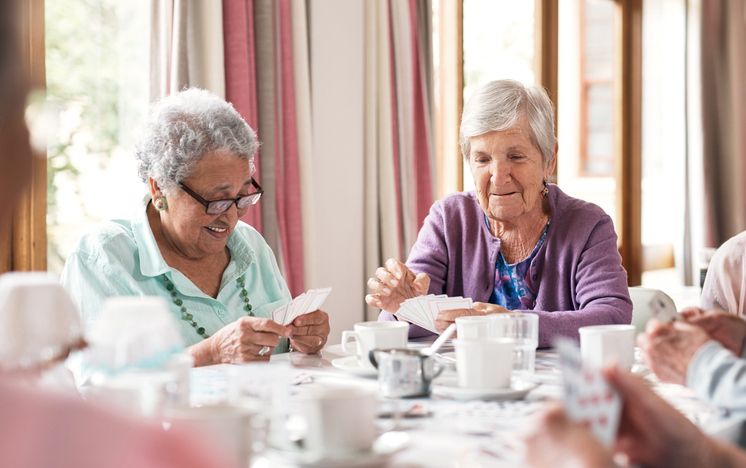
A board and care home is a small residential senior care setting that provides housing, meals, supervision, and personal care assistance in a home-like environment.
Board and care homes are often considered a type of group home for seniors, typically serving a smaller number of residents than assisted living communities.
Residents might get help with daily activities such as bathing, dressing, medication management, and mobility.
The smaller size of a board and care home can allow for more individualized attention and a higher caregiver-to-resident ratio than larger senior living communities.
Not every older adult needs the size or amenities of a large, assisted living facility. For people who would benefit from daily support in a smaller setting, a board and care home can be a good option.
A board and care home is a residential care option that provides older adults with housing, meals, personal care services, and supervision in a private home or home-like environment.
Unlike large assisted living communities that might serve dozens or even hundreds of residents, board and care homes typically support a small number of people, often in a single-family residence that has been licensed and adapted to provide care.
Board and care homes are designed for seniors who need assistance with everyday activities but don't require the intensive medical care provided in a nursing home.
What is a group home for seniors?
Group homes for seniors is a term often used to describe board and care homes.
Depending on the state and provider, board and care homes might also be called:
Residential care homes
Residential care facilities
Adult care homes
Adult family homes
Personal care homes
Adult foster care homes
With all of these, the concept is generally the same: providing housing and personal care services in a smaller, residential setting.
How does a board and care home work?
Board and care homes combine private or semi-private housing with assistance for daily living.
Because there are fewer residents, caregivers may have more opportunities to get to know each person's routines, preferences, and care requirements.
Who is a board and care home best for?
A board and care home can be a good fit for older adults who:
Need help with activities of daily living
Require medication management or reminders
Would benefit from regular supervision
Prefer a smaller living environment
Feel overwhelmed in larger senior living communities
Need more support than independent living can provide
Many residents who transition to a board and care home make that move when living alone becomes difficult, or when family caregivers need additional support.
What services are typically provided?
Services vary by provider but often include support in several key areas.
Personal care assistance
Residents might receive help with:
Bathing
Dressing
Grooming
Toileting
Mobility
Medication management
Caregivers may assist with medication administration, reminders, and monitoring according to community policies and state regulations.
Meals and nutrition
Most board and care homes provide:
Daily meals
Snacks
Special dietary accommodations when available
Assistance during mealtimes, if needed
Housekeeping and laundry
Communities often handle routine household tasks, allowing residents to focus on their health and well-being.
How Is a board and care Home different from assisted living?
Board and care homes and assisted living facilities may provide many of the same services, but the living environment can be quite different.
Board and care homes typically serve fewer residents in a smaller, residential setting, while assisted living communities tend to be larger and may offer more amenities, activities, and housing options.
Neither option is inherently better. The best choice depends on an individual's care needs, preferences, and budget.
“Personal preference is a big part of this choice,” says Jennifer Morris-Pugliese, a licensed social worker at CareScout. “People who like a smaller and less active household may find a board and care home a better fit.”
How is a board and care home different from a nursing home?
While both settings provide care and supervision, they serve different needs. “Many people believe that board and care homes and traditional nursing homes are the same," says Morris-Pugliese. “Board and Care homes vary, but generally they have very few residents and a more family home–like atmosphere.”
Board and care homes generally focus on:
Personal care
Daily living assistance
Supervision
Residential support
Nursing homes, also known as skilled nursing facilities, provide:
Licensed nursing care
Rehabilitation services
Ongoing medical support
Care for individuals with complex medical needs
Individuals who require extensive medical monitoring may need a higher level of care than most board and care homes can provide.
What are the benefits of a board and care home?
Smaller, home-like environment
Board and care homes offer a smaller, more residential setting than many larger senior living communities. Fewer residents can create a quieter atmosphere and more opportunities for caregivers to get to know residents’ routines, preferences, and needs.
“Board and care homes generally have higher staff-to-resident ratios and, with fewer residents overall, the relationships built are often more significant,” says Morris-Pugliese.
Support with daily living
Residents can receive help with everyday needs while maintaining as much independence as possible.
What are the potential downsides?
Board and care homes may not be the right fit for everyone.
Potential considerations include:
Fewer amenities than larger communities
Limited recreation facilities
Smaller activity calendars
Fewer housing choices
Limited availability in some areas
Families may want to consider whether they prioritize personalized care, extensive amenities, or a balance of both.
How much does a board and care home cost?
The cost of a board and care home varies based on factors such as:
Geographic location
Level of care needed
Room type
Services provided
Community size
In some markets, board and care homes can cost less than larger assisted living communities, while in others they might be similarly priced because of the individualized care they provide.
When comparing options, it’s a good idea to ask about:
Monthly fees
Care-level charges
Medication management costs
Move-in fees
Additional service charges
Understanding the full pricing structure for the cost of long-term care can help families make more informed comparisons.
What should you look for in a board and care home?
When touring, you may want to consider evaluating:
Licensing and quality standards
You can find out whether the home is properly licensed and operating according to state requirements.
Staff availability
It's helpful to ask about caregiver training, staffing levels, and overnight supervision.
Cleanliness and safety
Observe whether the home appears well-maintained, safe, and comfortable.
Resident engagement
You can evaluate the opportunities for socialization and meaningful activities.
Communication
It's useful to ask how caregivers communicate with families regarding changes in health or care needs.
Frequently asked questions
Do board and care homes provide medical care?
Most board and care homes focus on personal care and daily living assistance rather than skilled medical care. Services vary by provider and state regulations.
Generally, who should consider a board and care home?
Older adults who need assistance with daily activities and prefer a quiet, residential setting might find board and care homes to be a good fit.
Get peace of mind with a Care Plan
Every care journey is unique. A Care Plan, created by a licensed nurse, can help you take the next step with confidence.
Expert reviewed by

Jennifer Morris-Pugliese, LSW
Jennifer is a dedicated licensed social worker specializing in aging services, with a passion for supporting older adults, caregivers, and families. With over 30 years of experience in the field, she has worked across diverse settings, including community programs, lo...
Written by

Brian Dowd
Brian is writer based in New England. He is a passionate storyteller with a knack for finding the extraordinary in the ordinary. He joined CareScout as a Senior Content Writer in 2024. Before that, he worked as a content writer in the senior living industry and worked for several years as an assi...

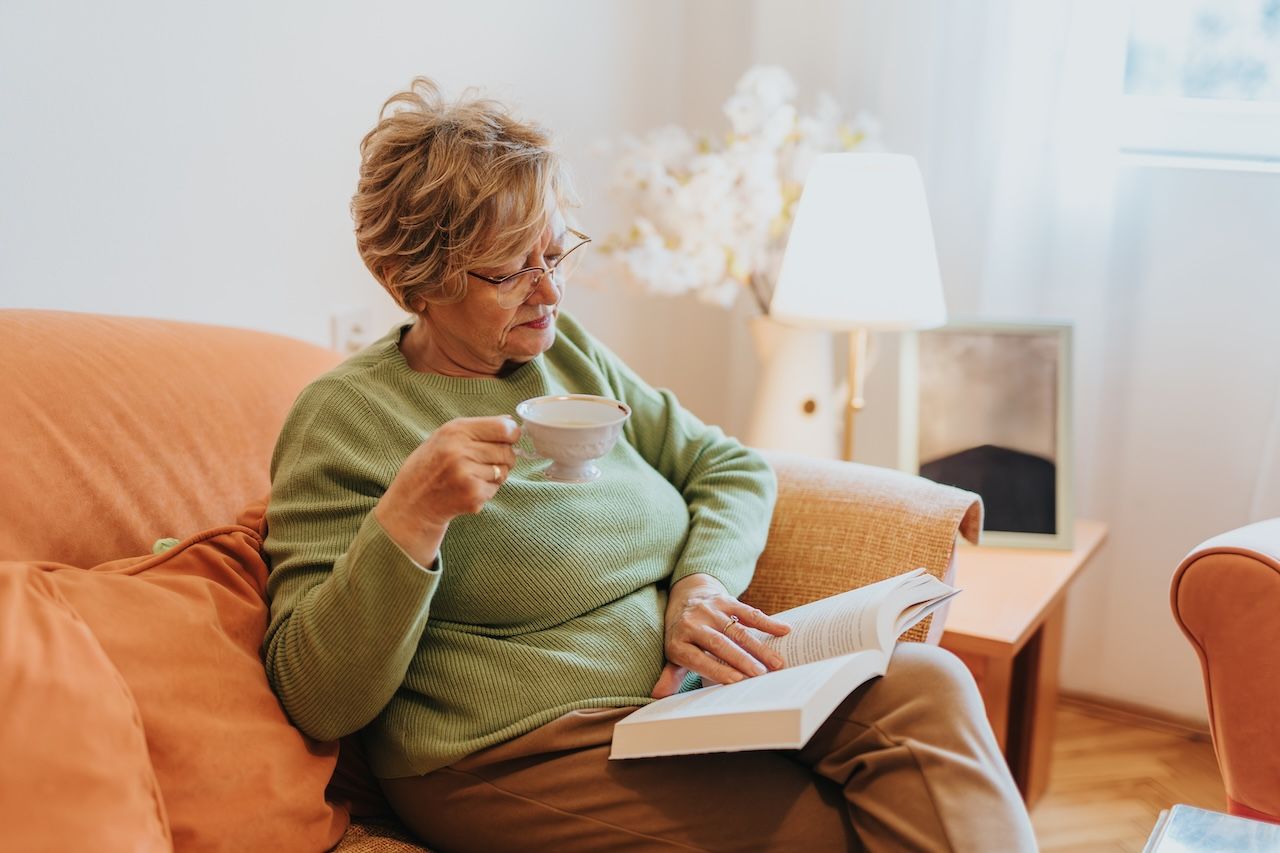

Social engagement
Activities can include:
Games
Music
Group conversations
Community outings