
Find memory care communities
What is memory care?
Memory care is a specialized type of senior living designed for people living with Alzheimer's disease, dementia, or another form of cognitive decline.
Unlike other senior care options (like assisted living or independent living), memory care communities are designed around the needs of people experiencing changes in memory, thinking, judgment, and behavior. At many memory care communities, the caregivers on staff have received dementia-focused training, and the programs and environments have been intentionally built to support residents' comfort and engagement.
What memory care often includes:
- Personal care and support with daily living
- Medication management
- Structured daily routines
- Activities designed to engage residents, support cognitive function, and improve cognitive function, including reminiscence therapy
- Personalized care planning
- Safety-focused environments
- Staff members with specialized training to support people living with dementia
- Secure memory care units to ensure safety for patients who wander
Browse memory care by location
- Houston, TX15 communities
- Scottsdale, AZ25 communities
- Cleveland, OH17 communities
- West Palm Beach, FL14 communities
- Los Angeles, CA21 communities
- San Francisco, CA11 communities
- Tucson, AZ14 communities
- Temecula, CA11 communities
- Fairfax, VA37 communities
- San Diego, CA10 communities
Featured memory care communities
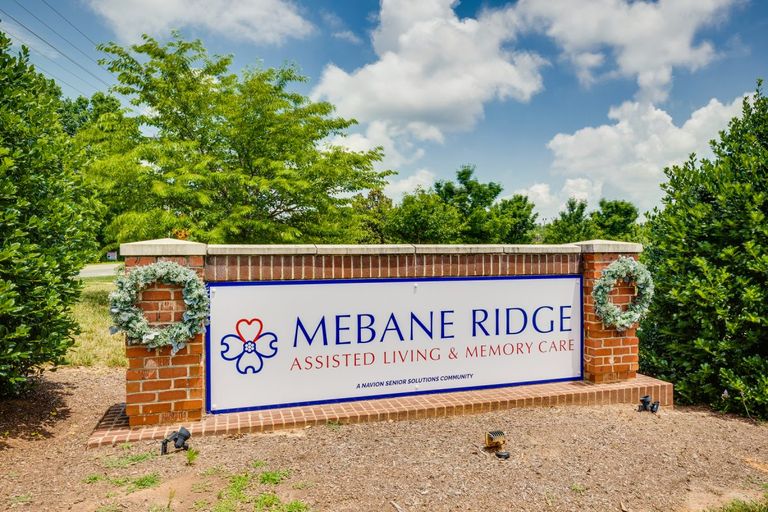
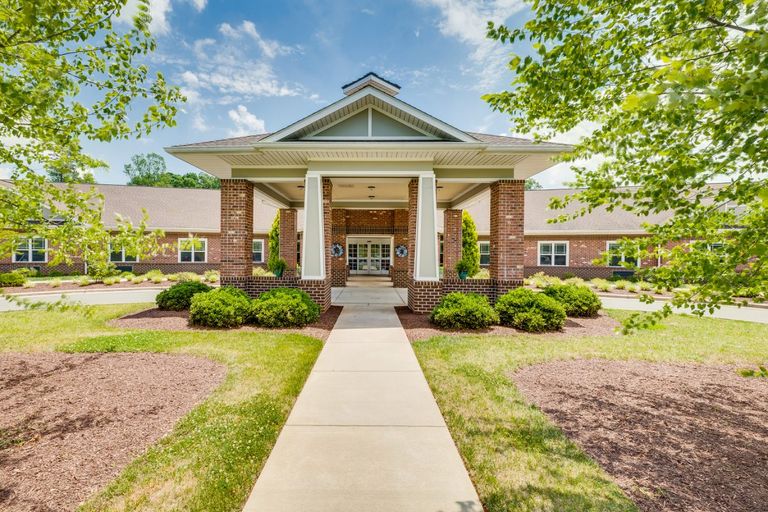
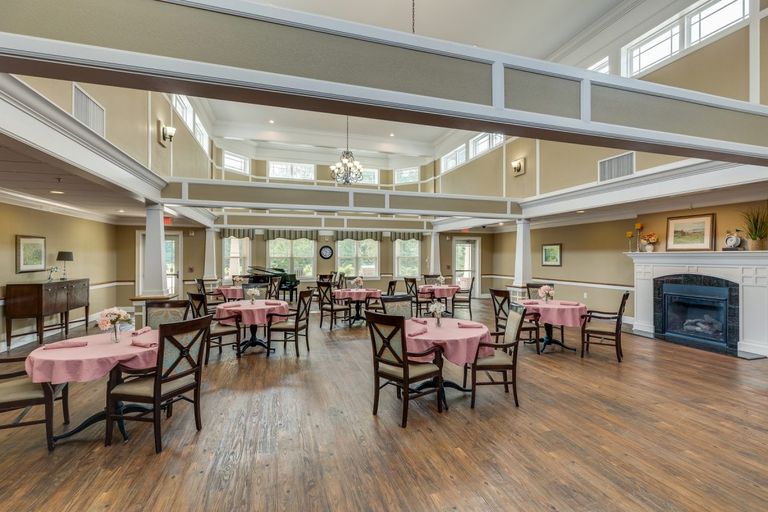
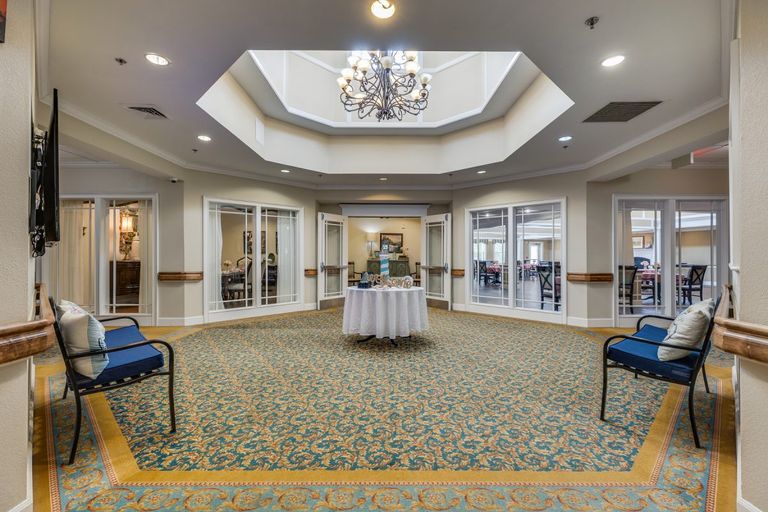
Mebane Ridge (opens in a new tab)
1999 South NC Highway 119, Mebane, NC 27302
Assisted Living · Memory Care
From $4,425/mo
9.9Brookdale Burlington Assisted Living (opens in a new tab)
3615 South Mebane Street , Burlington, NC 27215
Assisted Living · Memory Care
"Its been a while but Amber really shared her love for the residents with her food." - anonymous
From $5,570/mo
9.9Brookdale Nacogdoches (opens in a new tab)
14595 Nacogdoches Road, San Antonio, TX 78247
Memory Care
From $3,930/mo
9.9Forest Ridge (opens in a new tab)
151 Village Park Drive, West Jefferson, NC 28694
Assisted Living · Memory Care
From $4,585/mo
9.9Brookdale Medical Center Kingsley (opens in a new tab)
9000 Floyd Curl Drive, San Antonio, TX 78240
Assisted Living · Memory Care
"The leadership at Brookdale Kingsley is unmatched. Ina B, Executive Director demonstrates a level of..." - Letty Read more (opens in a new tab)
From $3,785/mo
9.9Brookdale Morehead City (opens in a new tab)
107 Bryan Street , Morehead City, NC 28557
Assisted Living · Memory Care
From $6,670/mo
9.9Brookdale Lexington (opens in a new tab)
161 Young Drive , Lexington, NC 27292
Assisted Living · Memory Care
From $4,140/mo
9.9Truewood by Merrill - New Bern (opens in a new tab)
2701 Amhurst Boulevard, New Bern, NC 28562
Assisted Living · Memory Care · Independent Living
From $3,195/mo
9.9Brighton Gardens of Winston-Salem (opens in a new tab)
2601 Reynolda Road, Winston-Salem, NC 27106
Assisted Living · Memory Care
From $4,925/mo
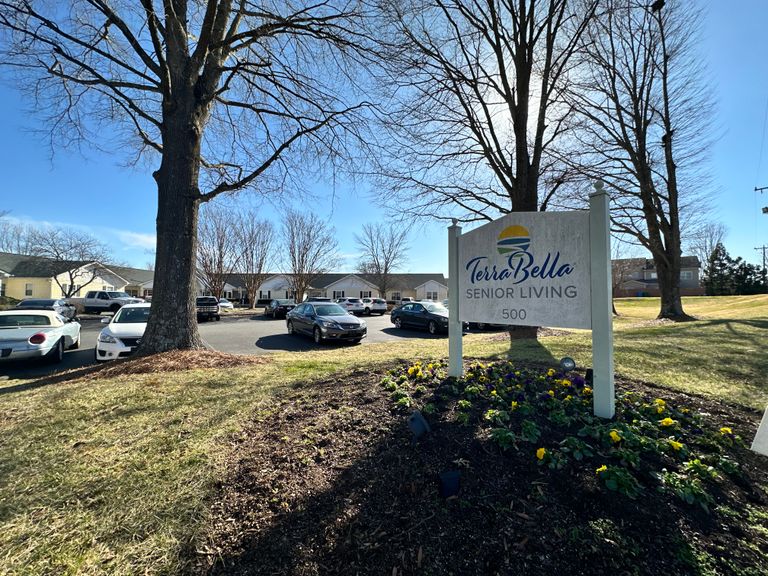
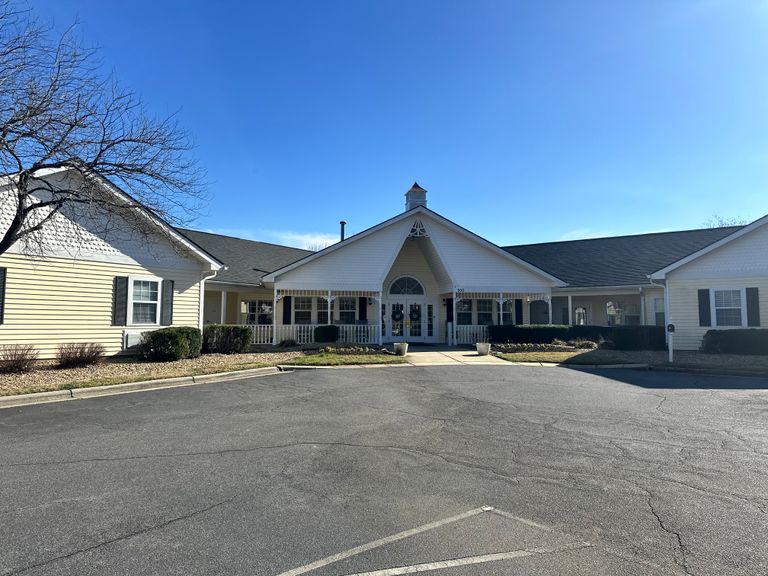
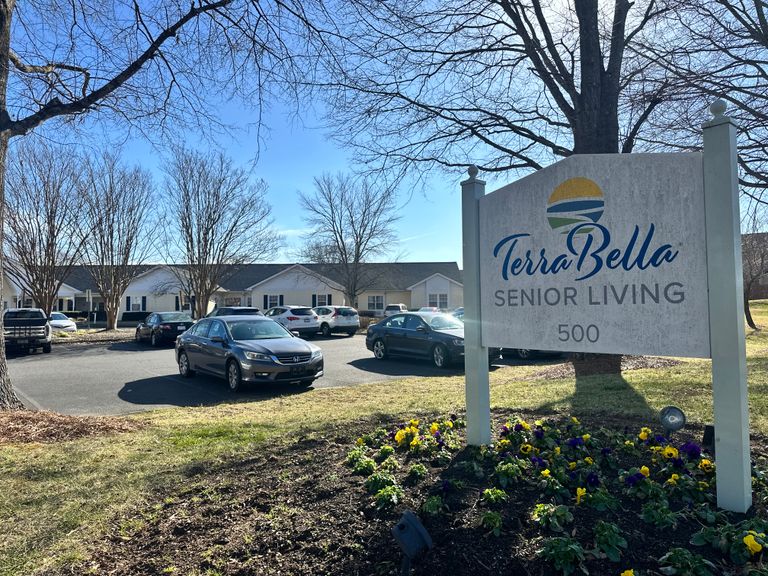
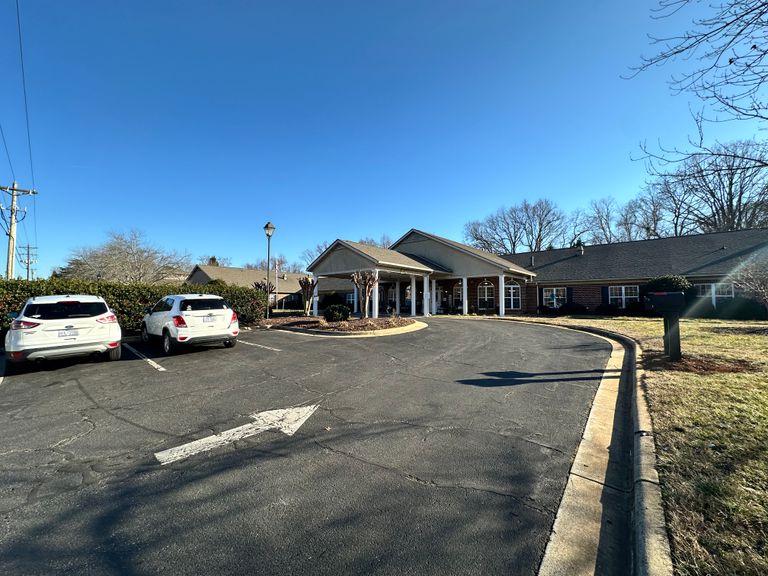
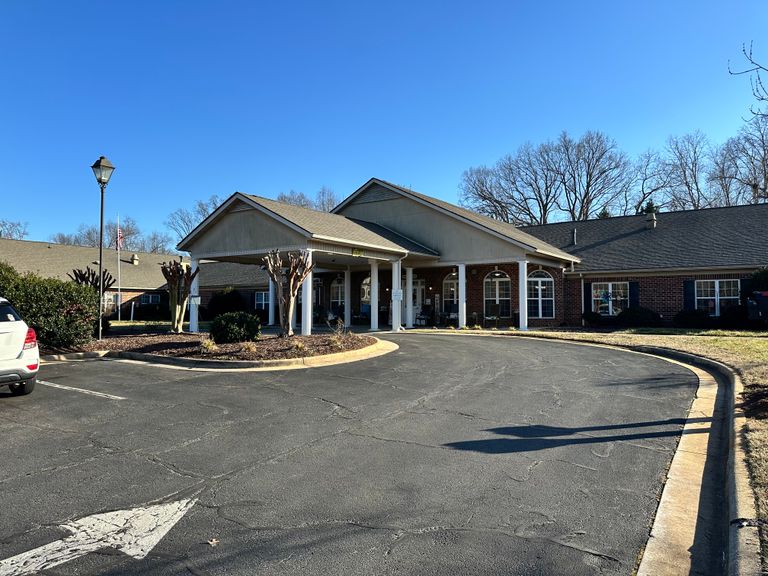
9.9TerraBella Cramer Mountain (opens in a new tab)
500 Cramer Mountain Road, Cramerton, NC 28032
Assisted Living · Memory Care
"Great place to work. Great management team that helps ensure that all the day-to-day needs are taken care of...." - Elizabeth Read more (opens in a new tab)
From $2,425/mo
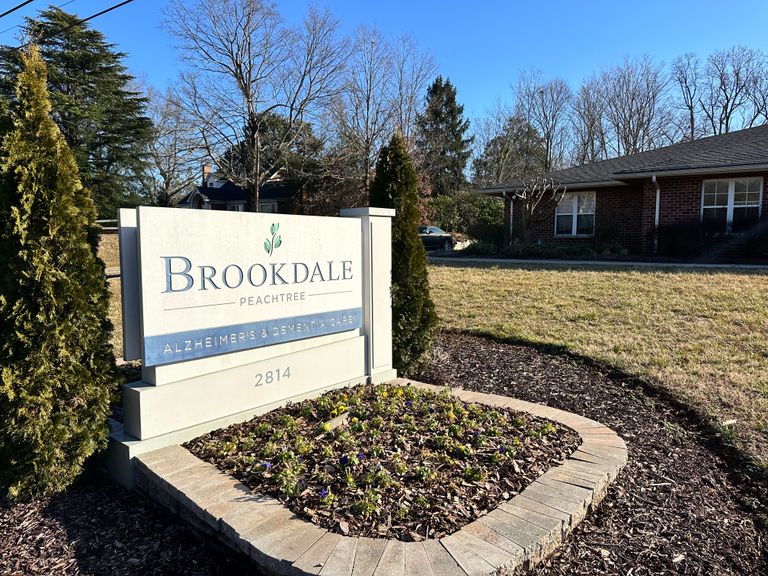
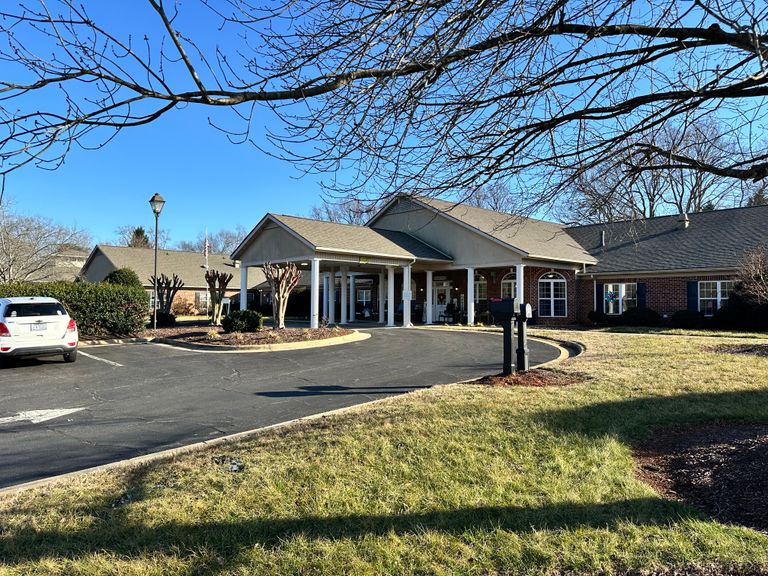
9.9Brookdale Peachtree (opens in a new tab)
2806 Peachtree Road , Statesville, NC 28625
Assisted Living · Memory Care
From $6,740/mo
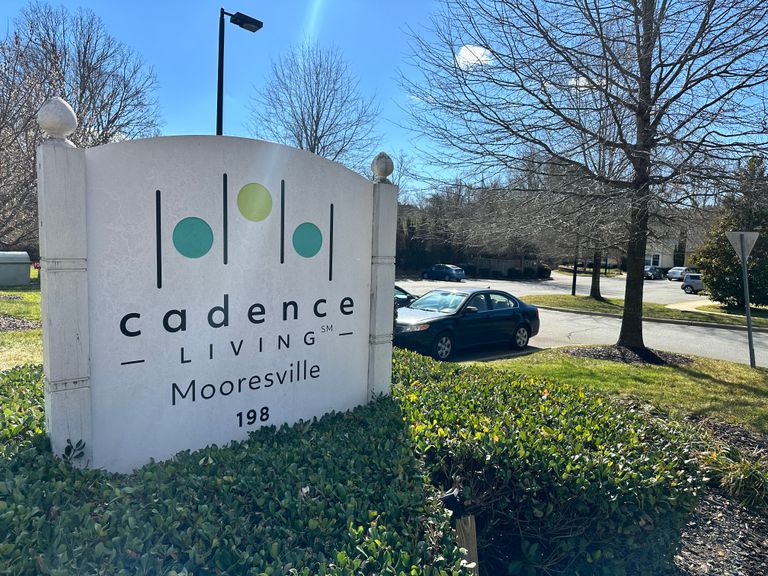
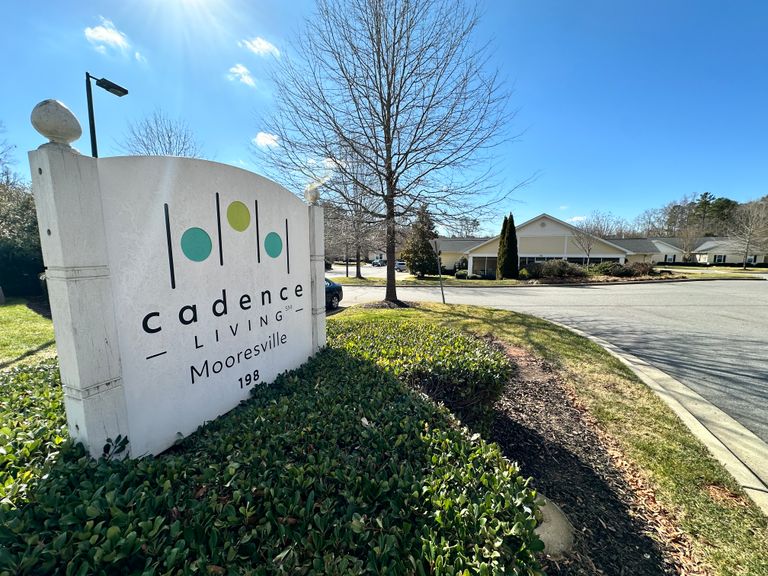
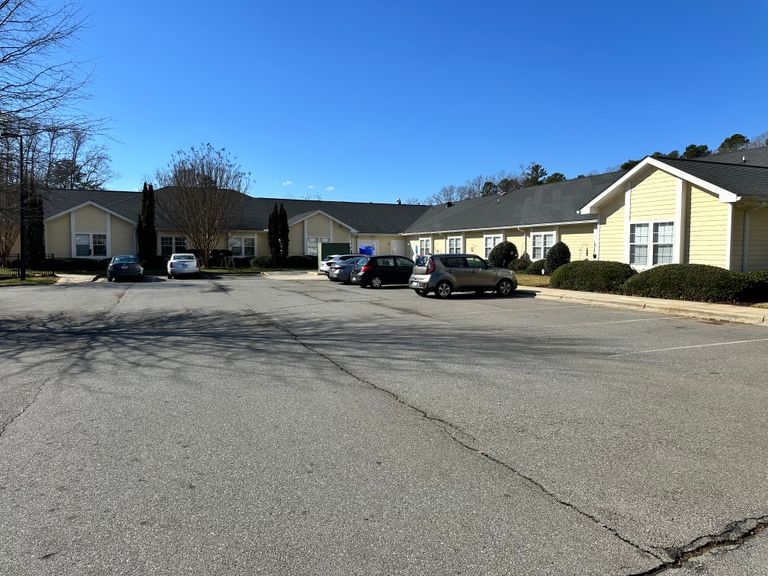
9.9Cadence Mooresville (opens in a new tab)
198 East Waterlynn Road, Mooresville, NC 28117
Assisted Living · Memory Care
From $4,065/mo
9.9

Why families use CareScout
Explore quality-focused options
Find communities that meet CareScout’s quality standards and are committed to person-centered care.Compare care options in one place
Learn about different types of care, compare options, and prepare questions as you explore providers and communities.Plan for the cost of care
Explore local cost information and better understand the factors that may affect what you pay.Get support along the way
Connect with an advisor who can answer questions and help you navigate your search.
When might memory care be the right fit?
Signs it may be time to explore memory care
- Wandering has become a safety concern
- Confusion or disorientation is increasingly an issue
- Daily activities require more assistance
- Care needs have become difficult to manage at home
- Managing medication is increasingly a challenge
How much does memory care cost?
Factors that affect cost
- Location
- Level of care needed
- Apartment or room type
- Staffing and services
- Amenities and programs
Ways families pay for memory care
- Private pay
- Long-term care insurance
- Medicaid programs (where available)
- Veterans benefits
- Other financial resources
Compare senior care options
Care option
How it differs from memory care
Home care: How it differs from memory care
Assisted living: How it differs from memory care
Skilled nursing: How it differs from memory care
Helpful resources for families

Understanding in-home dementia care costs
Planning for life after retirement? Learn more about retirement living expenses like in-home dementia care costs with our informative guide.
6 min read

A Detailed Guide to Dementia Care
Providing care to a loved one is meaningful and rewarding, but it comes with its challenges. Discover how community support groups can help you navigate them.
35 min read

A Short Guide to Dementia Care
Learn more about senior living, aging in place and other care solutions from CareScout today.
5 min read
FAQs
Memory care communities always welcome family and friends as visitors. Check to see if there are visiting hours, if you need to call ahead, or if you're welcome to just drop in, though you will most likely need to sign in.
Some memory care communities have community pets, since interacting with cats and dogs provides positive stimulation for those with dementia. It's unlikely that your memory care community will allow your loved one to bring their own pet; if they do, expect to pay an additional charge for pet care. You might also want to check to see if your loved one's dog can come visit when you do.
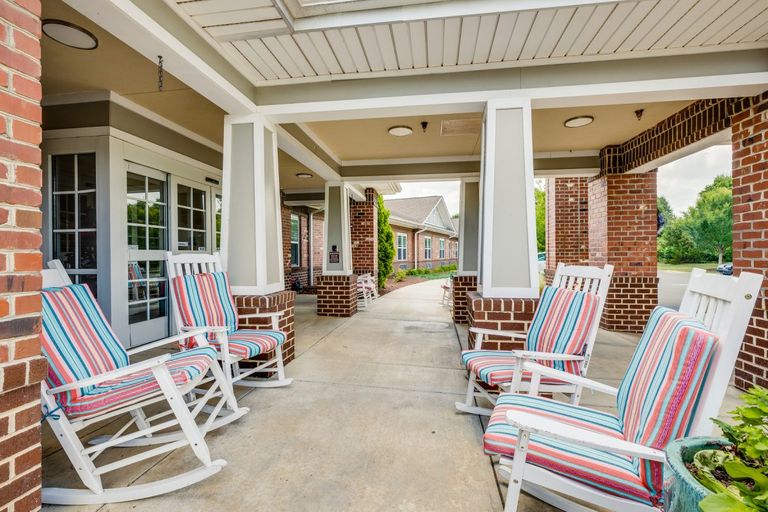
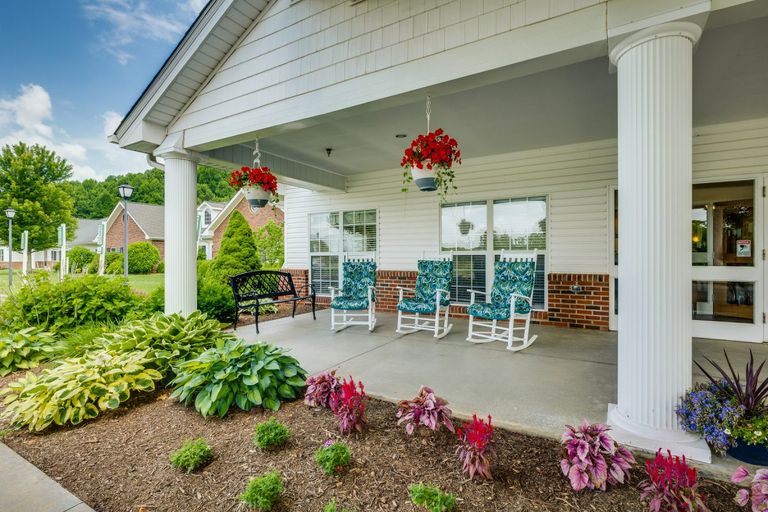
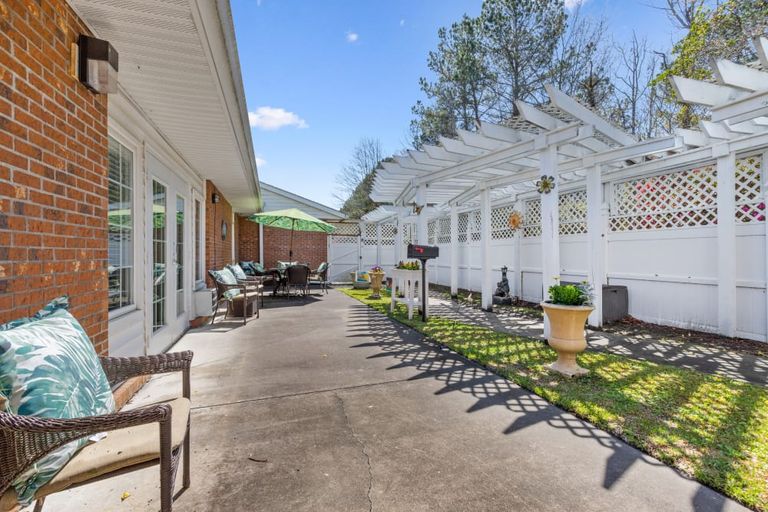
Access to the outdoors and to sunlight can help residents with Alzheimer's and dementia maintain normal circadian rhythms. A beautiful view or a pretty garden is soothing, and features like bird feeders or fountains provide positive stimulation for the brain.
Check out the outside areas to see if there are pleasant and safe walkways and restful spots to sit and enjoy being outside — and don't forget to check out the view from your loved one's window. In addition, find out if the residents have unlimited access to the outdoor areas and what any restrictions are.
Sometimes a memory care community seeks to discharge a resident because they can no longer provide the specialized care the individual requires. This is a legal discharge. A community can also discharge a resident if their remaining in the community poses a risk to their own health and safety or that of the other residents. Find out what type of medical care the memory care community of your choice can't provide, and how they handle the transition to a skilled nursing community if needed.
However, in most cases, a memory care community isn't allowed to discharge a resident for switching the manner of payment. For example, if you find your loved one needs to switch to Medicaid to continue payment, the community can't discharge them (as long as they accept Medicaid). While no one likes to think about worst-case scenarios, make sure you understand the circumstances under which your loved one might no longer be able to stay in the memory care community of your choice, and seek out the recourse you have available.