Seniorly

Seniorly has joined CareScout—your home for personalized senior care. Learn more

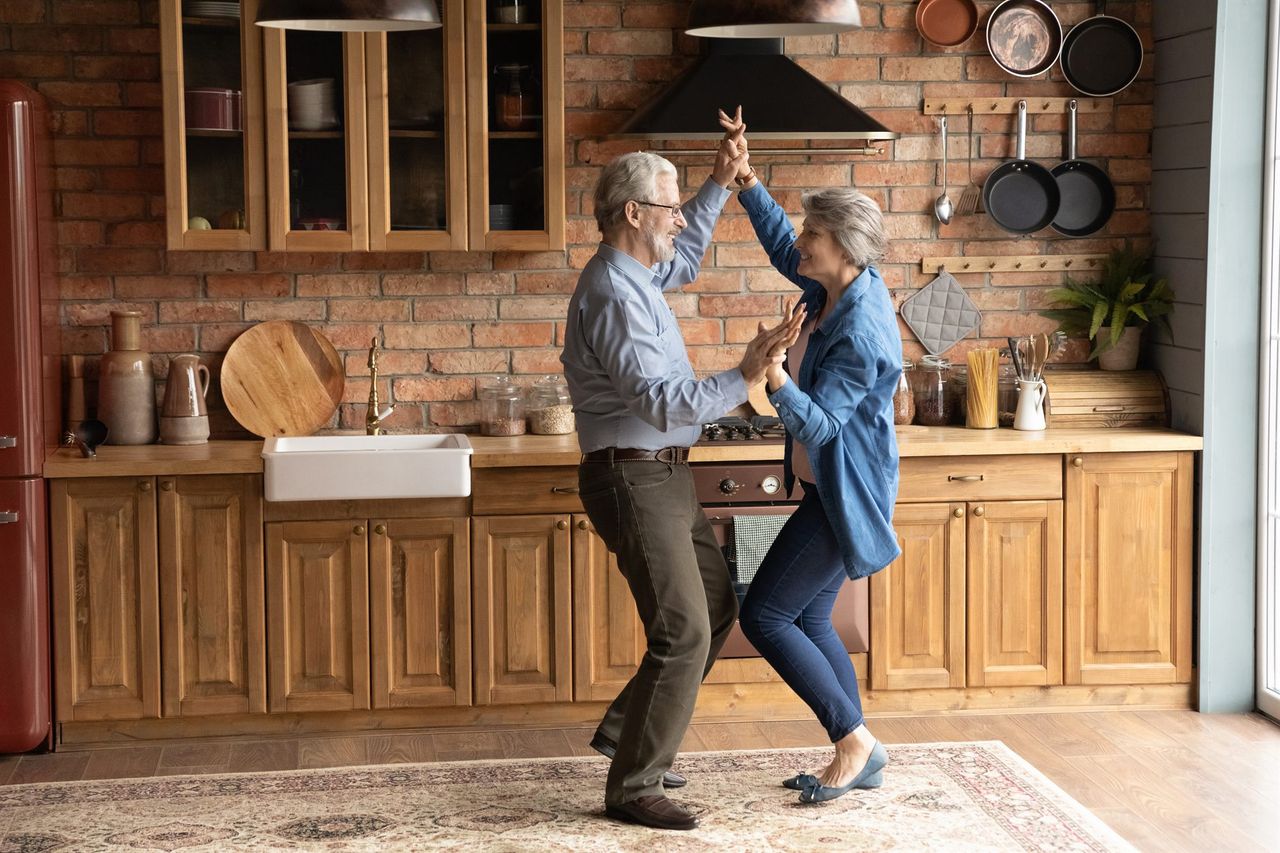
Older couple dancing together in their kitchen

Find active adult communities

Compare active adult communities, understand costs, and find the right fit for yourself or a loved one.
Or call us for help connecting to care at (855) 885-6612.

What is a 55+ community?

Also known as an active adult community, these are residential neighborhoods that are intended for adults who live independently, for the most part, and want a pretty social, low-maintenance lifestyle. Many active adult communities are age-restricted, often for residents 55 and older. The type of homes you’ll find there can vary; they can be apartments, condos, townhomes, or single-family homes. Unlike care-focused senior living, 55+ communities typically don't provide on-site personal care or medical services. However, residents can arrange in-home care from independent providers, just as they can in a private residence.

Most active adult communities include:

  • Age-qualified housing, with community rules that are specific to the property
  • Shared amenities like clubhouses, pools, fitness centers, walking trails, sports courts, or golf courses
  • Regularly scheduled social or educational events, and recreational activities
  • Exterior maintenance or landscaping, often covered through homeowners association fees
  • Homes that residents either rent or own, depending on the community
Active adult living can be a good fit for people who want to spend less time on tasks to maintain their home and more time participating in recreation, amenities, and social opportunities. While some people refer to these neighborhoods as active senior living communities, they are generally lifestyle-focused and don’t provide the same care services as assisted living or other care-focused settings.

When might an active adult community be the right fit?

Active adult living may be a good match if you want to stay independent and you’d like to cut down on home upkeep obligations, and if you’re interested in spending time with neighbors at a similar life stage. It’s best suited to people who don't need regular help with daily activities or on-site healthcare services.

Signs an active adult community may be a good fit

  • Independence is a top priority
  • Less time spent on home maintenance is appealing
  • A neighborhood of peers, with more activities and social options, feels like the right environment
  • Easy access to lifestyle amenities is a strong draw

How much do 55+ communities cost?

Costs vary widely because active adult communities may offer homes for rent or purchase at different price points. Each community also has varying levels of amenities, maintenance services, and fees. When you compare options, you’ll want to consider not just the rent or home price but also any homeowners association fees and other costs like utilities, taxes, insurance, maintenance, meals, transportation, and any care you may need to arrange separately.

Factors that affect cost

  • Location and the local housing market
  • Whether you rent or buy, plus the size and type of home
  • The range of amenities, such as pools, fitness centers, clubhouses, or golf courses
  • Homeowners association or community fees
  • Included maintenance, landscaping, security, or concierge services
  • One-time entrance, transfer, or membership fees, when applicable

Tip: Ask for a complete fee schedule and factor in the fees that can increase over time. (For example, HOA and amenity fees can change from year to year.) Since meals, healthcare, transportation, and personal support are usually not included, you’ll want to budget for those too.

What's typically included?

Offerings vary, but community fees often cover:
  • Maintenance of shared spaces
  • Exterior landscaping
  • Access to common amenities and activities

Compare senior care options

Independent living: How it differs from active adult living

Supports an active lifestyle but often includes more services, like dining, housekeeping, and transportation. Personal care availability varies by community.

Assisted living: How it differs from active adult living

Designed for people who need help with daily activities and commonly includes meals, housekeeping, transportation, medication support, and personal care.

Continuing care retirement community (CCRC): How it differs from active adult living

Offers multiple levels of living and care on one campus, which means residents can get more support as their needs change. Active adult communities generally don't include a built-in continuum of care like this.

Aging in place at home: How it differs from active adult living

Entails remaining in your current home and setting up maintenance and social support as needed rather than having those aspects built in. Alternately, an active adult community involves moving to a neighborhood centered on shared amenities and an age-qualified lifestyle.

FAQs

Active adult communities focus on lifestyle and recreation, and they generally don't provide care services like some other community types do. Independent living communities, for example, may offer transportation, housekeeping, and other services.
Most don't provide healthcare or assist with daily activities; residents would typically arrange those services separately if needed.
Many 55+ communities do require at least one resident to meet a minimum age requirement, but eligibility rules vary. Your best bet is to review each community’s age qualifications, household requirements, and policies before you make a decision.
There’s no universal rule for this. Many active adult communities do allow pets, though some communities have restrictions on the number, size, or type of pets residents can have.
Most active adult communities welcome visitors and allow overnight guests, but that’s not guaranteed; guest policies vary, so you'll want to ask about visitor rules, guest parking, and any limits on how long guests are allowed to stay.