

What is an Active Adult Community?



An active adult community is a residential neighborhood designed for older adults who want an independent, low-maintenance lifestyle and access to social, recreational, and wellness amenities.
Most active adult communities are age-restricted 55+ communities, meaning at least one resident in the household must meet the community's minimum age requirement.
Active adult communities don't typically provide personal care, medical care, or assistance with daily activities, which makes them different from assisted living and other senior living options.
A 55+ community often offers amenities like clubhouses, fitness centers, walking trails, social clubs, and organized events.
As priorities shift in retirement, some older adults begin looking for a home that offers more convenience and opportunities for connection and cuts down on household upkeep. An active adult community is one option that can provide that balance.
An active adult community is a residential community designed for older adults who want to enjoy an independent lifestyle in a neighborhood built around ease, recreation, and social connection. Unlike traditional senior living communities, active adult communities aren't care-focused. They're designed for people who are generally healthy, self-sufficient, and looking for a home and lifestyle tailored to their stage of life.
Many active adult communities offer age-restricted housing, shared amenities, planned activities, and maintenance services.
What does active adult community mean?
The term active adult community refers to a neighborhood or residential development created specifically for older adults who want to remain active and independent.
Depending on the community, residents may have access to amenities such as:
Clubhouses
Fitness centers
Swimming pools
Pickleball or tennis courts
Walking paths
Community events
Interest-based clubs
Group outings and activities
The goal is to provide an environment that supports social engagement, wellness, and convenience while allowing residents to maintain their independence.
What is a 55+ community?
A 55+ community is a type of active adult community that includes age-based residency requirements. In most cases, at least one resident must be 55 years of age or older.
The terms active adult community and 55+ community are often used interchangeably because many active adult communities have these age restrictions, but not every active adult development follows the exact same residency guidelines.
Who is an active adult community best for?
Active adult communities are typically a good fit for older adults who:
Live independently
Do not need regular personal care assistance
Want to downsize from a larger home
Enjoy social and recreational activities
Want fewer home maintenance responsibilities
Are planning for an active retirement lifestyle
Many residents move into active adult communities shortly before or soon after retirement. Others choose this type of housing after deciding that maintaining a large home no longer fits their lifestyle.
What types of homes are available in 55+ communities?
Housing options vary by community but often include:
Single-family homes
Townhomes
Condominiums
Villas
Patio homes
Some communities are made up entirely of owner-occupied homes, while others may offer rental options.
Many 55+ community homes are designed with features that promote convenience and accessibility, such as:
Single-story floor plans
Open layouts
Minimal exterior maintenance
Attached garages
Modern safety features
What amenities are common in active adult communities?
One of the biggest reasons people choose an active adult community is access to shared amenities. Offerings vary by community but may support fitness, recreation, social connection, and other interests.
Fitness and wellness
Communities may offer facilities and programs that make it easier to stay active, such as fitness centers, pools, walking trails, and wellness classes.
Recreation
Recreational options can range from pickleball and tennis courts to golf courses, depending on the community.
Community spaces
Shared spaces such as clubhouses, event spaces, cafes, libraries, and outdoor gathering areas can give residents places to connect and participate in community life.
Amenities can vary significantly from one active adult community to another, which means you may want to explore multiple options when comparing.
“Many active adult communities offer tours or social activities to help potential new residents get a feel for the community before moving,” says Jennifer Morris-Pugliese, a licensed social worker at CareScout.
How is an active adult community different from independent living?
Both options appeal to older adults seeking an easier lifestyle, but there are some key differences between the two.
Active adult communities
Active adult communities function much like traditional residential neighborhoods.
Residents generally:
Own or rent private homes
Live independently
Arrange their own healthcare services
Manage daily activities without assistance
Independent living communities
Independent living communities typically offer:
Apartment-style housing
Dining services
Housekeeping
Transportation
Organized programming
Independent living can provide more built-in services, while active adult communities generally offer greater residential independence.
How is an active adult community different from assisted living?
The primary difference is that active adult communities are lifestyle-focused, while assisted living communities are care-focused.
Active Adult Communities
Residents generally do not receive support with:
Bathing
Dressing
Medication management
Mobility assistance
Assisted Living
Assisted living provides personal care services for older adults who need help with daily activities.
A person who requires regular assistance with everyday tasks will generally need a higher level of support than an active adult community can provide.
What are the benefits of an active adult community?
Low-maintenance living
Many communities include services like landscaping, snow removal, or exterior maintenance, allowing residents to spend less time on household upkeep.
Social connection
Built-in opportunities for engaging can make it easier to maintain an active social life.
Lifestyle amenities
Residents often have access to recreational facilities and organized activities that support healthy aging and offer a sense of community.
Downsizing opportunities
Active adult communities can provide housing options better suited to retirement lifestyles and changing priorities.
What are the potential downsides?
While active adult communities offer many advantages, they may not be the right fit for everyone.
Potential considerations include:
Age restrictions
Homeowners association (HOA) rules
Monthly fees and 55+ community home costs
Limited healthcare services
Future care needs may require another move
When evaluating communities, it's important to consider both current lifestyle preferences and long-term plans. “You'll also want to think about the distance to healthcare and current social connections,” says Morris-Pugliese. “Can you maintain important connections if you move to this new community?”
What questions should you ask when touring an active adult community?
You might want to ask about the specific services and features that come with the community, as well as any restrictions, such as:
What are the age requirements?
Are family members allowed to visit? If so, what are the rules for house guests and length of stay?
Is a live-in caregiver permitted?
What amenities are included?
Are there HOA fees?
What activities are offered?
Is the community primarily owner-occupied or rental?
What maintenance services are included?
Are healthcare services available nearby?
What happens if care needs change in the future?
Frequently asked questions
Can younger people live in a 55+ community?
Residency requirements vary by community. Some allow younger spouses or family members, while others have more specific age restrictions.
Are active adult communities expensive?
Costs vary widely depending on the location, type of housing, amenities, and whether you rent or own your home. Some active adult communities can be relatively affordable while others offer numerous resort-style amenities that come with higher costs. Keep in mind that, in addition to housing costs, some communities may charge homeowners' association (HOA) fees or monthly amenities fees, so you'll want to understand all ongoing fees and included services when comparing communities.
Search for aging care providers
Finding the right care starts with understanding your options. Use our Care Finder to search for providers, including those in the CareScout Quality Network.
Expert reviewed by


Jennifer Morris-Pugliese, LSW
Jennifer is a dedicated licensed social worker specializing in aging services, with a passion for supporting older adults, caregivers, and families. With over 30 years of experience in the field, she has worked across diverse settings, including community programs, lo...
Written by

Brian Dowd
Brian is writer based in New England. He is a passionate storyteller with a knack for finding the extraordinary in the ordinary. He joined CareScout as a Senior Content Writer in 2024. Before that, he worked as a content writer in the senior living industry and worked for several years as an assi...
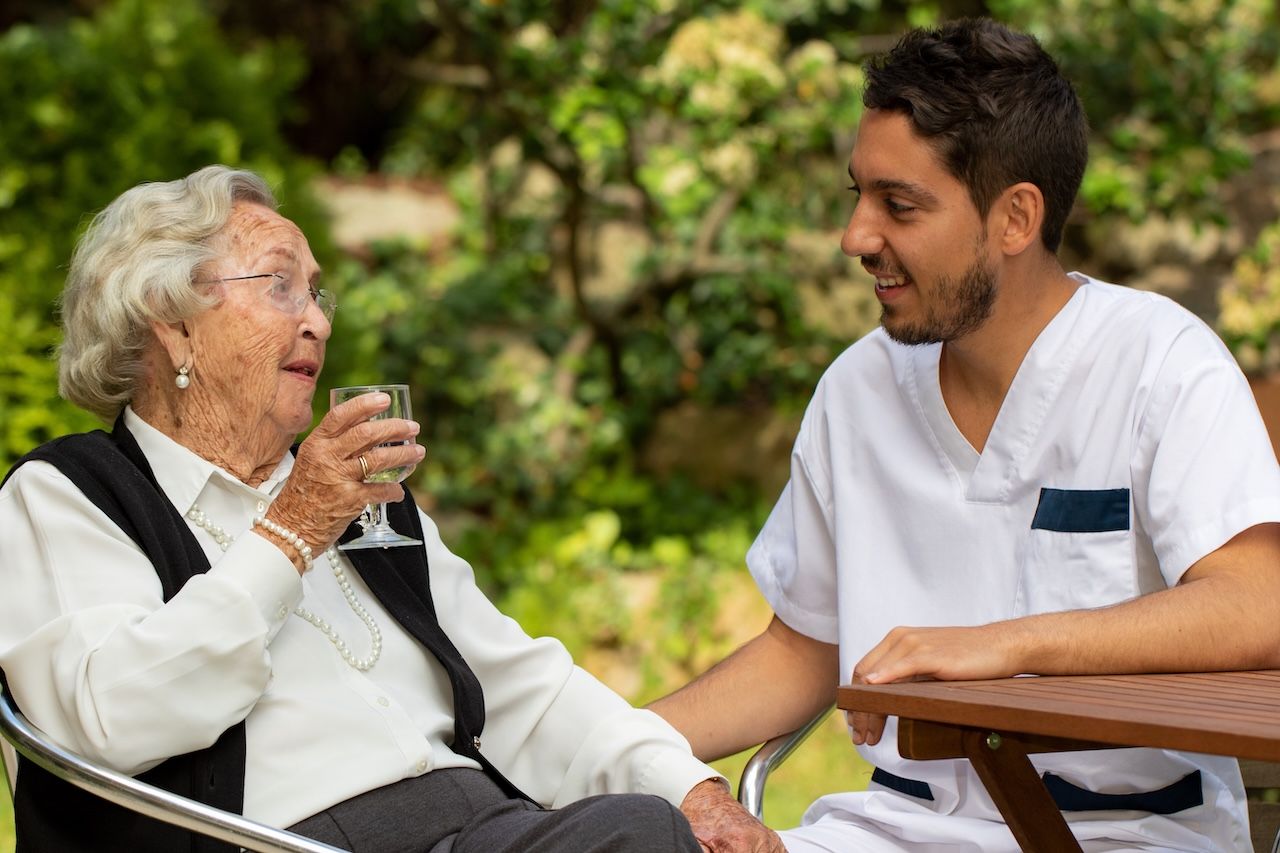


Social activities
Resident clubs, educational programs, community gatherings, and group outings can provide opportunities to meet people and pursue shared interests.