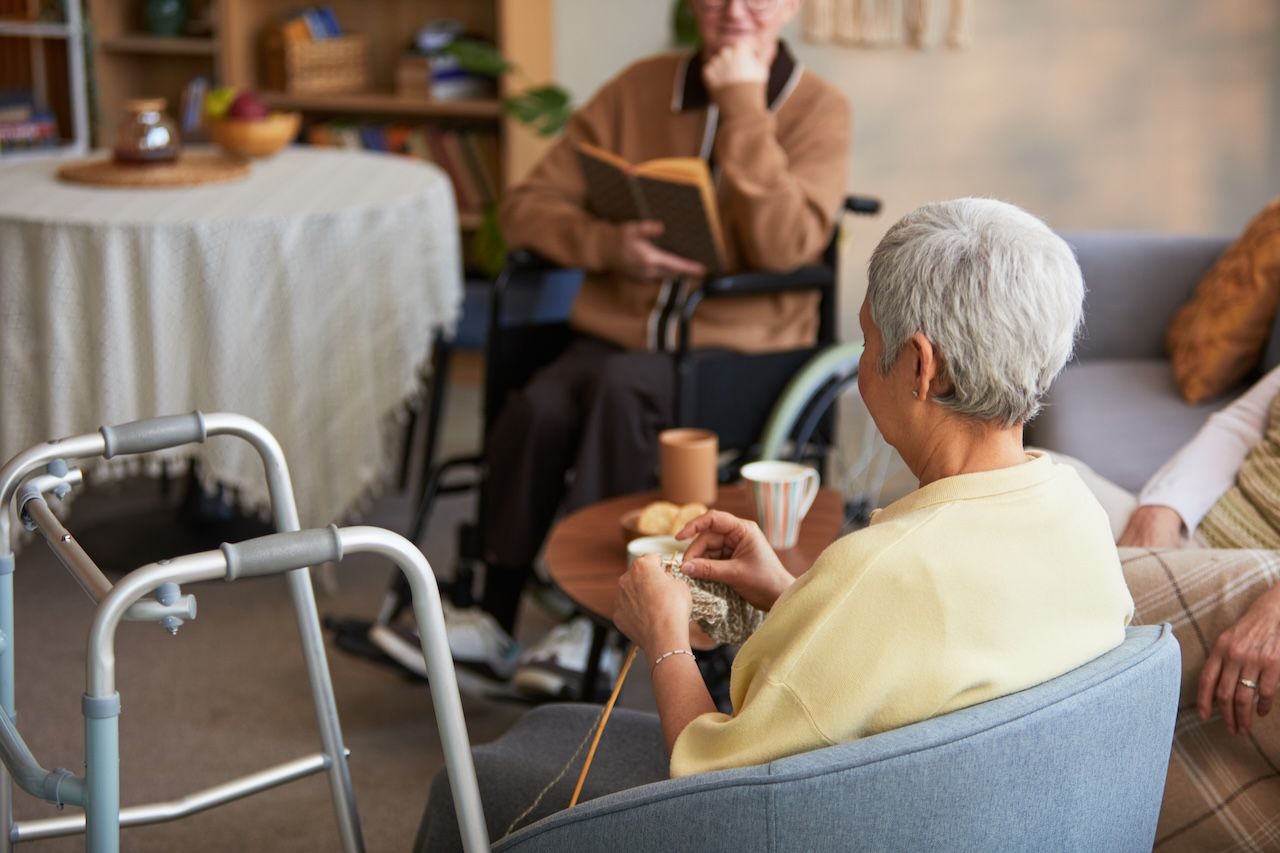
How to find Alzheimer's support groups



Alzheimer’s support groups offer information, practical guidance, emotional support, and connection for people living with the disease and their caregivers.
You can find groups online or in person through Alzheimer’s organizations, local professionals, and community resources.
Consider each group’s audience, format, focus, location, and meeting length to find one that fits your needs.
Alzheimer’s is a progressive, degenerative brain disorder that causes memory loss and a decline in other intellectual abilities. At first, you may notice short-term memory changes, such as forgetting what you had for lunch or where you parked your car. As the disease progresses over time, more serious memory and thinking challenges can develop.
Because Alzheimer’s symptoms are progressive, they get worse over time. Ongoing treatment may help slow the progression and its effects on a person’s mental state. A strong support network can also make an important difference for both people living with Alzheimer’s and the family caregivers helping them through it.
Alzheimer’s is a disease that affects many people, especially as the world population ages. Alzheimer’s support groups give family members and caregivers a dedicated place to talk openly about their experiences. Here’s how these groups may help you and someone you love who is living with Alzheimer’s or another form of dementia.
What is an Alzheimer’s support group?
These groups provide a supportive environment for people living with Alzheimer’s and their caregivers. Members can share information, advice, and coping strategies while offering one another emotional support. That shared connection can be especially helpful when you’re feeling overwhelmed, uncertain, or alone.
Many groups offer specialized support for people with younger-onset or early-stage Alzheimer’s, as well as adult caregivers. Early-onset Alzheimer’s disease (also known as younger-onset Alzheimer’s disease) is a rare form of the illness that affects people under age 65. Since the COVID-19 pandemic, many support groups have offered virtual options through phone calls, Zoom meetings, webinars, or other forms of video conferencing.
Benefits of attending an Alzheimer’s support group
Alzheimer’s support groups serve people living with the disease and their caregivers. Along with emotional support, groups may offer practical advice about topics such as managing medication and communicating with doctors. You may also hear about new treatments and therapies from other members. Most importantly, meeting and talking with people in a similar situation may help you feel less alone in your journey. Overall, a support group can provide hope and encouragement during what can be a very difficult time.
If you’re caring for someone with Alzheimer’s disease, or you’ve recently been diagnosed with the condition, a local Alzheimer’s support group can be a valuable resource. These groups offer useful information, education, and emotional support to people living with Alzheimer’s and the caregivers who support them.
For someone living with Alzheimer’s, attending a support group offers a way to connect with other people who are going through many of the same experiences. These groups may reduce feelings of isolation and provide ongoing emotional support throughout the difficult journey of Alzheimer’s disease.
How to find online and local Alzheimer’s support groups
Everyone faces different challenges with Alzheimer’s, but connecting with people who have been through similar experiences may help. From small local meetings to groups run by organizations in major cities, there are many different support group options for you to explore.
When you’re ready to find a group, start by exploring the many resources available in your area. The Alzheimer’s Association website has a tool that lets you search for local support groups by ZIP code. You can also ask a doctor, social worker, local psychologist, therapist, or other care provider whether they know of nearby groups you could contact.
Many large cities have several Alzheimer’s support groups to choose from. Consider attending more than one group so you can find the option that feels right for you and your loved one.
Once you’ve found a group, take a little time to prepare before attending. Depending on the group, you may choose to bring your loved one with Alzheimer’s or attend on your own. There’s no single right answer to this question. Consider your own comfort level, your loved one’s preferences, and the current stage of the disease.
When you attend an Alzheimer’s support group, be prepared to share your experiences and feelings at your own pace. Talking with people who understand what you’re going through can be very helpful. You may also learn about the latest treatments, available resources, and practical strategies for caring for someone with Alzheimer’s disease.
If you’re feeling overwhelmed, lost, or unsure what to do next, don’t hesitate to contact the support group. You can ask how to best support your loved one with Alzheimer’s, what may or may not be helpful to say, and whether members recommend home care services in your area.
Some groups focus on sharing information about Alzheimer’s disease, while others provide more of an emotional support network for caregivers. Look for a group that matches what you need right now.
Alzheimer’s and dementia support groups
Finding the right Alzheimer’s support group can make a meaningful difference in your well-being. As you compare these communities, consider practical details such as where meetings are held, whether they take place online or in person, and how long each session lasts.
There’s no one-size-fits-all approach to living with dementia. Spending time building supportive relationships throughout this journey may help both your loved one with Alzheimer’s and you as you balance the work of caregiving with the need to care for yourself.
No single group will be right for everyone. You may need to join or visit a few groups before finding one that serves your needs best. The following Alzheimer’s support groups can help you begin your search.
The Alzheimer’s Association
The Alzheimer’s Association offers both in-person and online support groups. It also provides virtual resources, including a message board for people living with Alzheimer’s and their caregivers.
The Alzheimer’s Association support groups are free of charge. You can find local chapters using its free online search tool. You can also call its 24/7 Helpline at (800) 272-3900.
The Alzheimer’s Foundation of America (AFA)
The Alzheimer’s Foundation of America is available seven days a week and staffed by licensed social workers trained in dementia care. AFA’s Helpline supports professional and family caregivers, people living with the disease, and anyone looking for helpful information or resources about Alzheimer’s.
You can reach the Helpline by phone at (866) 232-8484, through webchat at www.alzfdn.org, or by text message at (646) 586-5283. The webchat and text features are translatable, allowing people who speak more than 90 other languages to receive support in their primary language.
Dementia Mentors
Dementia Mentors is a support group for people living with all types of dementia, including Alzheimer’s and Lewy body dementia (LBD). Its website offers a free mentorship program for people living with dementia. All mentors are volunteers who also have dementia.
Memory Cafe
Mild cognitive impairment (MCI) is an early stage of memory loss that affects how someone thinks and remembers. There isn’t one single cause of this decline, but several factors may contribute, including depression, diabetes, and stroke.
A Memory Cafe welcomes people living with Alzheimer’s disease, other forms of dementia, or other brain disorders. Meetings also include support for caregivers and may be helpful for people living with different forms of MCI.
Each Memory Cafe offers its own mix of online or in-person meetings, with different formats and areas of focus. Some meetings center on activities, while others provide education. Each Memory Cafe creates a place for mutual support and social connection. Check the website for more information about current meeting options and offerings.
UCSF Memory and Aging Center Clinic
The UCSF Memory and Aging Center Clinic in San Francisco offers a local community for people diagnosed with young-onset Alzheimer’s disease and their caregivers. Participation is free, but to qualify, a person must be in the mild or early stages of Alzheimer’s, have received a diagnosis before age 65, or have a significant other or caregiver who will participate. The clinic offers monthly support groups that meet bi-monthly and provide Alzheimer’s education and support.
Get support navigating dementia care
Dementia care can bring new questions at every stage. Our guide can help you understand care options, plan next steps, and feel more prepared along the way
Written by


Lydia Bruno
Lydia Bruno boasts over ten years of technical writing, having been a compassionate caregiver for over five years for seniors, and working within senior care facilities with a high level of dedication, care, and compassion for older adults and their families. When Lydi...