
The best foods to help older adults gain weight


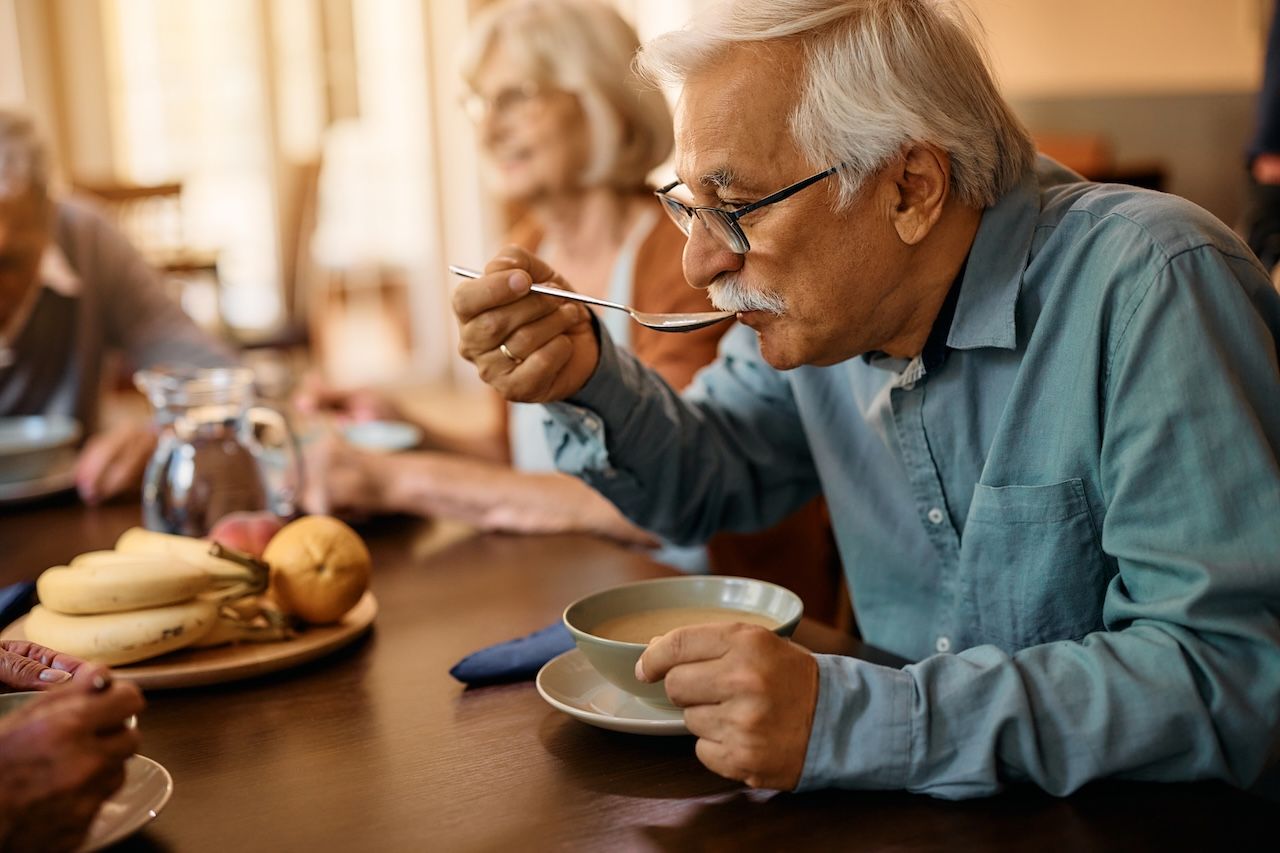
Unintentional weight loss in an older adult can signal an underlying health concern, so seek advice from a medical professional.
Calorie-dense, nutrient-rich foods, small portions, and shared meals may help support healthy weight gain.
Exercise, meal delivery, soft foods, added flavor, and relief from dry mouth may help improve appetite and calorie intake.
While our culture often focuses on the benefits of weight loss, the opposite can be true for older adults. It can be common for an older adult to lose weight without wanting to and gaining that weight back can be a real challenge.
Weight loss and malnutrition in older adults can have many causes, including illness or injury. Because losing weight can lead to more serious health concerns, it’s important to address the lost pounds promptly. If you want to help someone you care about gain weight, the practical tips below can help you support healthy weight gain.
What causes weight loss in older adults?
Unintentional weight loss can be a sign of declining health. If you’re concerned about an older adult’s weight loss, start by seeking advice from a medical professional. A doctor may be able to identify the underlying cause and, with a proper medical diagnosis, address the core issue rather than weight loss alone.
Some of the more common causes include:
Poor appetite and illness, including cancer. Cancer is the leading cause of weight loss in 24% to 38% of cases among older adults.1
Depression and anxiety disorders, which may occur alongside weight loss.
Age-related loss of muscle mass, which can lead to sudden weight loss.
Decreased ability to manage everyday tasks. Activities of daily living (ADLs) can affect an older adult’s ability to shop for groceries and cook meals for themselves. Without the ability to prepare and eat a well-balanced diet consistently, weight loss may follow.
Poorly fitting dentures or not having dentures.
Side effects from certain medications, which can be a major cause of weight loss in older adults.
Negative effects of weight loss in older adults
Unexplained or rapid weight loss can affect an older adult’s health and daily life in several ways, including:
General fatigue
Difficulty performing ADLs, such as bathing, dressing, and grooming
Falls and injuries
A need for long-term care, such as assisted living or skilled nursing care
Illness or infections
How to help older adults gain weight
Older adults can work toward healthy weight gain and avoid the negative effects of being underweight by focusing on calorie intake and appetite stimulation. The following ideas may help someone you care about regain the weight they need to support their health and maintain a healthy lifestyle.
Keep moving: Although adding exercise may seem counterintuitive, physical activity can add muscle to the body. Exercise may also help stimulate appetite, while the added muscle can contribute to healthy weight gain.
Choose soft foods: For older adults with dental problems or swallowing issues, foods that are soft and easy to digest can be helpful for weight gain. Need some cooking inspiration? Explore this list of soft foods to get started with a new way of cooking and serving meals.
Add calorie boosters: If three meals plus snacks feel like too much, or the weight simply isn’t returning, try adding a calorie booster to meals. A calorie booster is a small food that contains a high number of calories. It can be helpful for supporting weight gain and increasing overall calorie intake without adding a large portion. As always, read nutrition labels to make sure the food you’re serving is both nutritious and calorie-dense.
Choose natural foods: Serve whole grains, fresh fruit, dried fruit, vegetables, dairy, nuts, seeds, and lean protein to support weight gain. While desserts and sugary snacks may offer a quick boost in calories, try to focus on natural foods.
Add more flavor: Taste buds can become less sensitive with age, affecting an older adult’s sense of taste. Look for flavorful foods that can make eating more pleasurable and help meals feel more appealing. After all, food doesn’t have to be boring.
Make meals social: Share meals with friends and family members when possible. Older adults may experience depression as they age, and depression can contribute to a loss of appetite. Eating together and enjoying good conversation can give someone you care about something positive to look forward to at mealtimes.
Take a slow and steady approach: Pack small portions with nutrient-rich foods. Older adults often eat smaller meals, so make sure that even a small portion includes helpful nutrients and protein that can support healthy weight gain.
Consider meal delivery: If someone you care about doesn’t like the thought of cooking or preparing meals, look for a service that can deliver meals directly to them.
Address dry mouth: Certain medications can cause dry mouth, which may then contribute to a lack of appetite. A mouth rinse or sugarless gum may help relieve dry mouth, make eating more comfortable, and help bring back their appetite.
Foods that can help older adults gain weight
Many foods can support weight gain in older adults. Here are healthy, high-calorie foods and ingredients that you can include as part of daily meals for someone you care about:
Meal replacement shakes, such as Ensure or Boost.
Seven servings of fruits and vegetables each day.
Carbohydrates, such as whole-wheat bread or brown rice.
Sources of calcium and vitamin D, including white, navy, or baked beans, as well as almonds, sesame seeds, chia seeds, and broccoli.
Protein sources, including meat, poultry, fish, eggs, legumes, tofu, nuts, and seeds.
Smoothies, which can provide plenty of nutrients in a small serving. They can also add more fluids to an older adult’s daily diet.
Nuts, such as cashews, as well as nut butters and seeds.
Avocados, which can be mashed, sliced, or blended to make an easy ingredient for many different meals. They’re also a source of potassium.
Full-fat yogurt, along with whole milk and cheese, which can add nutrition to meals.
Healthy oils, including olive, coconut, and vegetable oils. These oils can be used as dressings or added to baked foods as a source of healthy fat.
Coconut added to soups or baking recipes.
Sweet potatoes and other starches, which can be prepared in several soft variations to support weight gain.
Maintaining a healthy weight and lifestyle is important for older adults, who may face a greater risk of health problems if they’re underweight. Gaining weight and keeping it at a healthy level can be challenging for some older adults, but it isn’t impossible. By choosing nutrient-dense foods, such as lean meats or avocado oil, you can help yourself or someone you care about work toward physical fitness and a healthy body weight. Start with manageable changes, keep meals nutritious, and seek medical guidance if you’re concerned about unexplained weight loss.︎
Get peace of mind with a Care Plan
Nutrition is one part of providing care. If you’re looking for more guidance on care, a Care Plan, created by a licensed nurse, can help you take the next step with confidence.
Expert reviewed by


Angelica P. Herrera-Venson, DrPH, MPH
Angelica Herrera-Venson reviews content related to healthy aging and caregiving for Seniorly. With deep experience in public health policy and analysis, Dr. Herrera-Venson has focused much of her career in gerontology and public health. She has over 20 years of experie...
Written by

Marlena del Hierro
Marlena del Hierro is a strategic senior care industry leader with over a decade of experience. As Director of Operational Growth at CareScout, she drives growth and forges strategic partnerships, leveraging her MA in Gerontology from San Francisco State University. Pr...