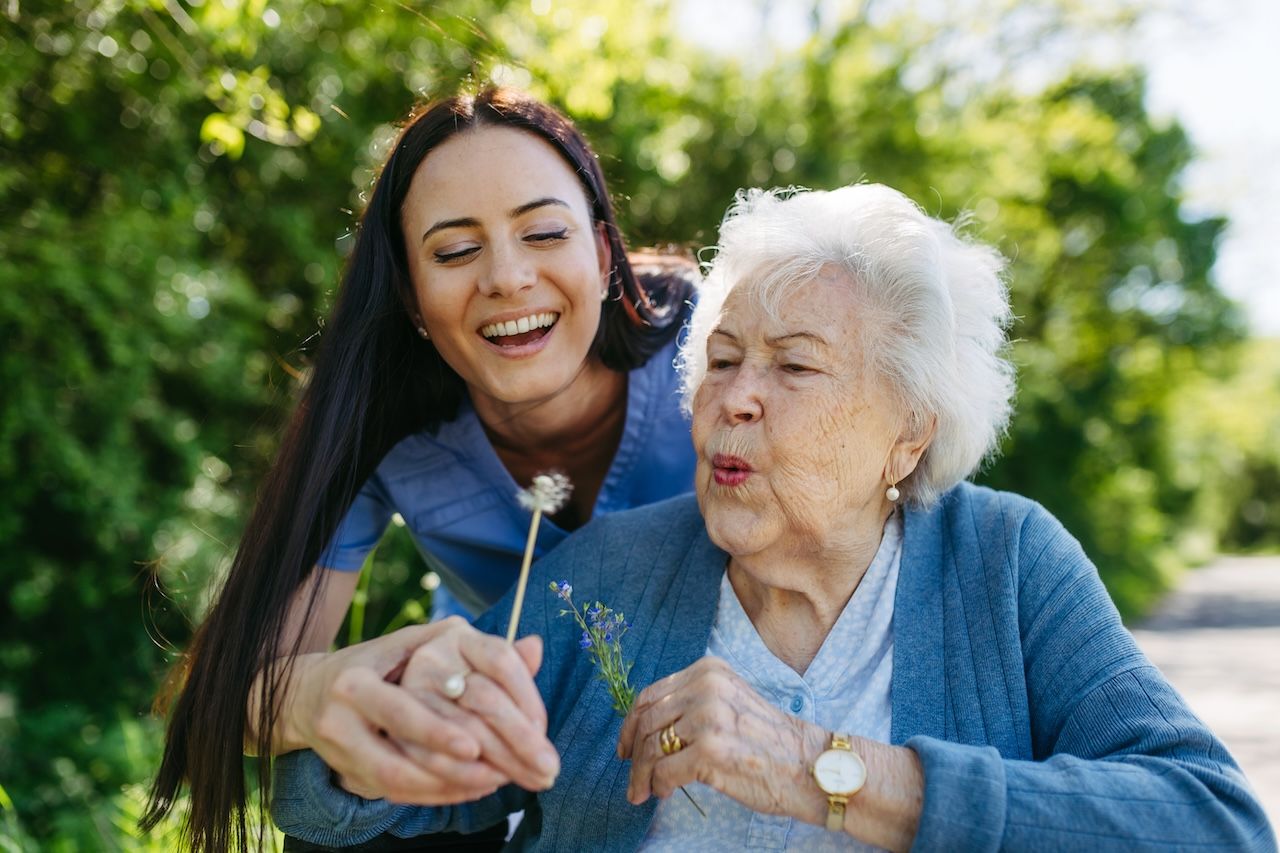
What is a convalescent home?


Convalescent homes provide skilled nursing, rehabilitation, medical supervision, and personal support for people recovering from illness, injury, or surgery.
The terms convalescent home, nursing home, and skilled nursing facility are often used interchangeably, while assisted living serves a different purpose.
Payment may come from personal savings, family support, long-term care insurance, Medicare, Medicaid, or other benefits, depending on eligibility.
If you or a loved one has experienced a major medical event, such as an illness or operation, you may be looking for care that can support the transition out of the hospital and back home.
Let's start with the basics. You may hear people use the terms “nursing home,” “convalescent home,” and “skilled nursing facility (SNF)” when discussing ongoing medical care. Although these terms are often used interchangeably, they can describe care settings that offer different services and recovery options. Here's what to know about their similarities and differences.
What does a convalescent home provide?
A convalescent home can play an important role in recovery, especially for older adults. These communities provide personalized therapeutic care and medical support for people recovering from surgery, illness, or injury.
If you're considering this type of care, here are some common features you may find in a convalescent home:
Long-term care: Like nursing homes or skilled nursing communities, convalescent homes are usually designed for long-term rehabilitation.
Medical supervision: Because residents in convalescent homes are recovering, they need medical oversight and nursing care. The goal is to support a sustainable recovery and reduce the likelihood of rehospitalization.
Support services: In addition to medical care and rehabilitation, convalescent homes often provide support services such as dietary planning, recreational activities, and social services.
A note about inpatient rehabilitation facilities
You may also hear medical professionals refer to an inpatient rehabilitation facility (IRF). IRFs are essentially the same as convalescent homes and use rehabilitative services to improve function and independence. Their goal is to help residents return to daily life or transition to an extended care setting.
11 services offered at a convalescent home
24/7 skilled nursing care: Registered nurses provide consistent daily care by administering medications, monitoring vital signs, preparing and giving injections, and providing other necessary medical support.
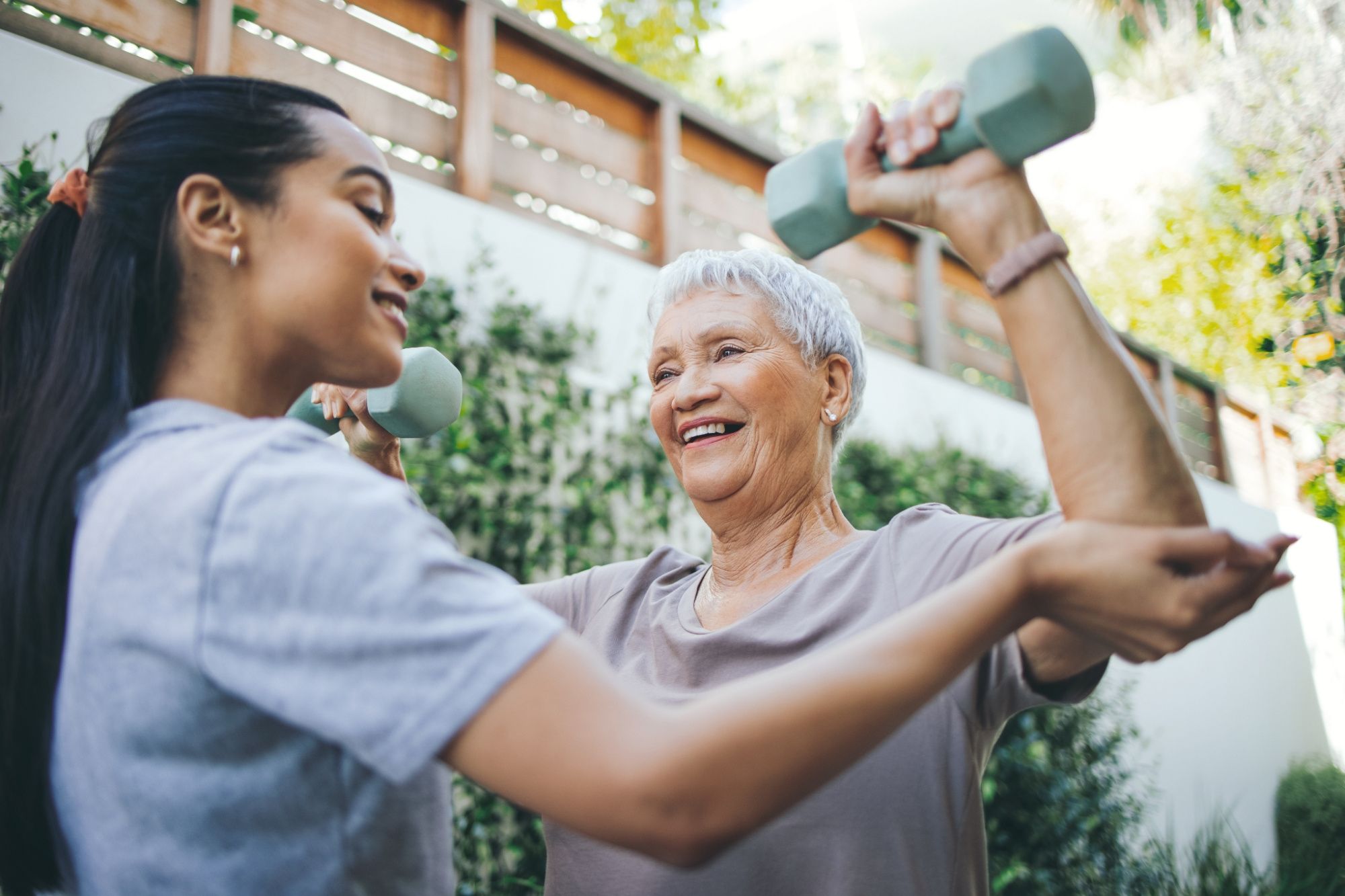
Rehabilitation services: Physical therapy helps residents regain strength and mobility, occupational therapy supports relearning daily activities, and speech therapy helps residents regain speech and cognitive abilities.
Post-surgical care: Post-surgical care in a convalescent home may include timely medication, wound dressing, physical therapy, and frequent health checkups to support healing.
Respiratory therapy: This specialized treatment supports residents with lung and heart conditions.
Nutritional support: Convalescent homes provide carefully planned and monitored meals to support each resident's nutritional health.
Social services: Social and recreational activities help keep residents engaged and foster a sense of community.
Palliative and hospice care: This type of care is designed to relieve the symptoms and emotional distress associated with chronic or terminal illnesses.
Diagnostic services: Regular medical assessments and monitoring help track a resident's health status.
Case management: Case management coordinates all aspects of a resident's care, including scheduling medical appointments, communicating with health care professionals, managing medications, and updating the family about the resident's progress.
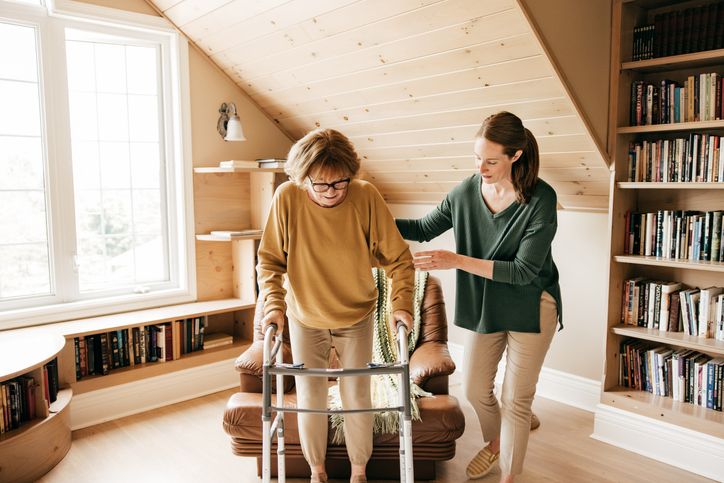
Personal care assistance: Residents who have difficulty with daily tasks can receive personal care assistance. This may include help with bathing, grooming, dressing, eating, and mobility.
Medical transportation: Medical transportation helps residents attend off-site medical appointments and provides rapid transportation in an emergency. It manages the logistics so residents and their families don't have to coordinate transportation themselves.
Convalescent homes vs. skilled nursing facilities
In general, convalescent homes and skilled nursing facilities provide the same type of care. Both primarily support people recovering after hospitalization for surgery or a severe illness. They provide basic medical care, access to physical, speech, and occupational therapists, and help with daily activities.
Both settings are also designed for people with serious, ongoing health conditions or long-term illnesses that require continuous skilled nursing care. They provide 24-hour supervision, rehabilitation programs, and a higher level of nursing care. A skilled nursing stay can be permanent for someone who can't safely care for themselves at home because of severe health issues. This setting is generally best suited to people with acute medical needs.
However, a skilled nursing facility may also provide short-term care for someone recovering from an illness or surgery who expects to return to their previous living environment.
Convalescent homes vs. nursing homes
A nursing home is another term used for skilled nursing. Nursing homes are inpatient rehabilitation communities that provide round-the-clock care and help with daily activities for people who can't live independently because of chronic illnesses, disabilities, or age-related concerns. Like skilled nursing facilities, nursing homes are best suited to people who need long-term, medically intensive care and support.
Essentially, convalescent home, nursing home, and skilled nursing facility refer to the same type of care. However, skilled nursing is generally accepted as the more modern term in the senior living and medical industries.
Convalescent homes vs. assisted living communities
If you're comparing care options, it's important to know that convalescent homes, sometimes called skilled nursing facilities or rehabilitation centers, and assisted living communities serve very different purposes for older adults and their families.
Convalescent homes support people who need medical attention, skilled care, and therapeutic services while recovering from an illness, surgery, or injury. They provide recovery and rehabilitation under the supervision of licensed medical professionals.
An assisted living community, on the other hand, is designed for older adults who may have difficulty with daily tasks but remain fairly independent. These communities offer help with activities of daily living (ADLs), such as medication management, housekeeping, meal preparation, and personal care, but they don't typically provide extensive medical treatment. The primary purpose of assisted living is to support independence while providing safety and convenience.
Convalescent home team members
When someone enters a convalescent home, a team of medical professionals, direct care workers, and administrators works together to provide care and help them return home safely.
Nurses: Registered nurses form the backbone of a convalescent home. They provide round-the-clock care, administer medications, monitor health progress, and work closely with doctors to carry out an appropriate care plan for each resident. They often build close relationships with residents and their families and serve as the main point of contact for concerns.
Care aides: Care aides provide day-to-day personal care to residents. As in an assisted living community, their responsibilities often support activities of daily living and may range from helping with bathing and dressing to preparing meals and assisting with eating.
Physical therapists: Because many residents are recovering from physical trauma or age-related changes, physical therapists help them rebuild strength and mobility.
Social workers: Social workers help residents and their families navigate the complexities of care. They may assist with financial concerns, legal matters, coordinating home care services, and counseling support.
Dietitians: Because residents may have different health conditions, a registered dietitian can create a nutrition plan suited to each person's needs.
Recreational therapists: Recreational therapists play an important role in supporting residents' mental well-being. By arranging activities suited to each person's interests and abilities, they help enhance quality of life.
Administrators: Administrators oversee the convalescent home's operations, manage staff, communicate with families, and support compliance with regulations so the community runs smoothly and efficiently.
Paying for a convalescent home
If you're planning how to pay for convalescent care, you may have several options. Many people use personal savings or receive help from family members, while others rely on long-term care insurance purchased for this type of need.
Government programs such as Medicaid may also help with costs, especially after someone has depleted their savings, although eligibility rules vary by state. Medicare may cover part of the cost, but only for a limited time after a hospital stay. Other possible funding sources include life insurance death benefits, pension plans, and, for veterans, benefits from the Veteran's Administration.
A final word on convalescent homes
Convalescent home, nursing home, and skilled nursing facility are terms often used interchangeably and, for the most part, mean the same thing. These communities provide round-the-clock, specialized medical care for severe chronic conditions or rehabilitation after surgery. If you're comparing options after a hospital stay, focus on the level of medical care, rehabilitation, and daily support you or your loved one needs.
Get peace of mind with a Care Plan
Every care journey is unique. A Care Plan, created by a licensed nurse, can help you take the next step with confidence.
Written by


Marlena del Hierro
Marlena del Hierro is a strategic senior care industry leader with over a decade of experience. As Director of Operational Growth at CareScout, she drives growth and forges strategic partnerships, leveraging her MA in Gerontology from San Francisco State University. Pr...