
Must-have home modifications for aging in place


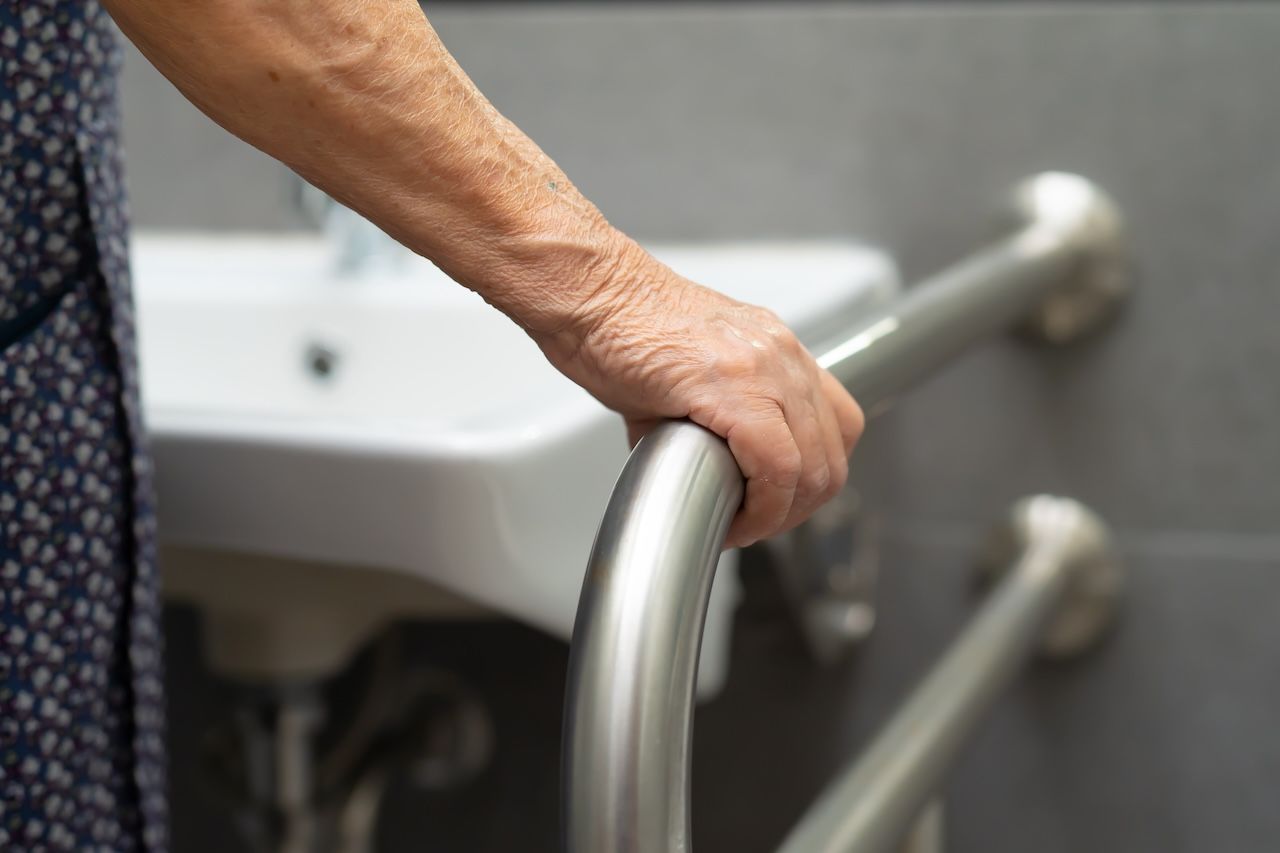
Home modifications such as grab bars, improved lighting, safer flooring, and wider doorways can support an older adult's safety and independence.
Start by assessing your loved one's needs, addressing immediate hazards, and planning larger renovations around their comfort and routines.
Government programs, Medicare Advantage plans, home equity, insurance, veterans benefits, and potential tax deductions may help cover eligible modifications.
As our parents and other loved ones age, their homes, where memories are made and comfort is found, may need a few updates to remain safe, comfortable, and welcoming.
Home modifications for older adults can help make aging in place safer while preserving the familiarity and everyday comforts that make a house feel like home.
This work isn't limited to adding grab bars or ramps, though both can be essential. It's about creating spaces that support your loved one's independence, well-being, and ability to enjoy daily life. Whether you're considering small updates or larger renovations, the following ideas can help you create a safer, more accessible home that continues to provide happiness and comfort.
18 home modifications for healthy aging in place
If you're helping a loved one consider aging in place home modifications, it helps to understand options such as home monitoring systems, grab bars, durable medical equipment, and slip-resistant flooring. Each of these changes can make a meaningful difference as a person gets older. The right combination will depend on your loved one's needs, abilities, preferences, and home.
If you're helping a parent or another older adult make their home safer, consider the following modifications and planning tips:
Bathroom safety modifications
The bathroom offers privacy for personal care, but slippery surfaces, wet floors, and hard edges can make everyday routines more challenging for an older adult.
• Grab bars and handrails: Install grab bars and handrails in key areas to provide stability and help prevent slips and falls while using the toilet, shower, or bath.
• Walk-in tubs and showers: A walk-in shower or tub can provide easier access and a non-slip floor, making bathing safer, more comfortable, and less physically demanding.
• Raised toilets: Raised or comfort-height toilets are typically 2 to 4 inches taller than standard toilets. They can make sitting down and standing up easier and safer for older adults and people with mobility challenges. This added height may support independence, reduce physical strain, and lower the risk of falls in the bathroom. If replacing the toilet doesn't fit your budget, consider installing a toilet riser instead.
• Lever handles: Replace traditional faucet handles with lever handles to make turning the water on and off easier for someone with limited hand strength.
• Shower chairs: A shower chair provides a secure place to sit while bathing. It can reduce the risk of falls and make the shower more accessible and comfortable for someone with mobility or balance challenges.
• Handheld showerhead: Maintaining balance can become more challenging with age. A handheld showerhead allows your loved one to bathe while seated or standing with support, reducing the risk of slips and falls.
• Rubber mats: Rubber mats inside and outside the tub or shower can help prevent slips on wet surfaces and add another simple layer of safety.
Changes in the kitchen
The kitchen can sometimes feel like an obstacle course for an older adult. Slippery floors, hard surfaces, difficult-to-reach storage, and complicated appliances may add unnecessary risks to familiar daily routines.
• Extra lighting: Improve visibility by adding lighting under cabinets, over countertops, and in dark corners. Better lighting can illuminate workspaces and pathways, help prevent accidents, and make it easier to move around the home safely during the day or at night.
• Stove knobs: Replace traditional stove knobs with clearly marked, easy-to-grip designs. This change may help prevent accidental burns or fires while making the appliance simpler and more intuitive to use for someone with visual or mobility challenges.
• Adjustable countertops and shelving: Adjust countertop and shelf heights to reduce reaching and bending and make the kitchen more accessible for someone who uses a wheelchair or another mobility aid.
• Lever handles: Switching to lever handles on faucets can make controlling the water easier for someone with limited hand mobility.
• Kitchen flooring: Consider replacing hard tile with a softer, less slippery material, such as vinyl or linoleum. These materials may reduce fatigue for someone who spends a lot of time standing, cooking, or cleaning, and they can provide a safer surface if a fall occurs.
• Timers: Place easy-to-see timers near the stove to remind an older adult who steps away that a burner is still on.
Changes around the home
• Lift recliners: Add lift chairs to living areas or bedrooms to make standing up easier. These chairs tilt forward and gently lift the user toward a standing position, reducing strain on the knees and hips while supporting comfort, independence, and participation in everyday activities.
• Widened doorways: Widening doorways can improve access throughout the home, especially for someone who uses a wheelchair or another mobility aid.
• Ramps: Installing ramps at entryways can make entering and leaving the home easier by removing obstacles and barriers for wheelchair users.
• Stair lifts: In a home with multiple levels, a stair lift can make each floor more accessible and allow your loved one to navigate the stairs without the same physical strain.
• Emergency response systems: Install a reliable emergency response system to provide quick access to help when it's needed, without requiring your loved one to find a phone.
• Lighting: Consider adding bright, glare-free lighting in key areas, including the kitchen for meal preparation, the bedroom for reading or dressing, and the bathroom for personal care. Direct task lighting can improve visibility and contrast, reducing the risk of accidents. Adjustable and easy-to-control options, such as dimmer switches or voice-activated systems, can also accommodate changing needs and preferences throughout the day.
• Rocker-style light switches: Replace traditional flip switches with rocker-style light switches, which may be easier to operate for someone with limited dexterity or arthritis.
• Area rugs and thresholds: Reduce tripping hazards by removing loose area rugs and smoothing thresholds between rooms. You can also use adhesives designed to secure rug edges or try methods for flattening edges that curl upward. These straightforward changes can create a safer, easier-to-navigate living space, especially for someone who uses a mobility aid or has balance challenges.
• Handrails: Install handrails beyond stairways, including in hallways, along walls, and beside frequently used paths. Keeping steady support within reach can improve safety and mobility as your loved one moves from room to room.
How technology can help create a safer home
Technology can be a helpful part of a home modification plan. Smart home technology can provide access to smart door locks, video monitoring, remote-controlled appliances, lights, and higher-wattage bulbs. Controlling these features with the press of a button can reduce how often an older adult needs to get up and move around while making daily routines safer and more convenient.
Smart home technology can also make night-lights, thermostats, fans, and medical alert systems easier to manage. Updated medical alarm systems allow older adults to contact emergency first responders with the press of a button instead of having to locate a phone and call for help.
Home modifications for people living with Alzheimer's disease or dementia
If your loved one has been diagnosed with Alzheimer's disease or other form of dementia, certain home modifications may provide added support. One place to start is by allowing plenty of natural light into the home during the day.
Ample natural light can help prevent falls and lower the risk of confusion for people living with Alzheimer's disease. Adding night-lights in specific rooms after sunset can also improve visibility and address poor lighting conditions. Start by lighting the path between the bedroom and the nearest bathroom.
Consider placing light switches close to handrails. This arrangement can give an older adult living with Alzheimer's disease more support and flexibility while moving from one room to another.
Automatic, motion-detecting light sensors may be even more helpful than standard light switches.
Contrasting colors can also help older adults distinguish between floors and walls, banisters and doors, and dishes and tablecloths.
Where to start with home modifications
Modifying a parent's or loved one's home is a practical act of care that can support their safety, comfort, and independence. Start by understanding their needs and abilities, then prioritize changes that will make their daily environment safer and easier to navigate.
Assess your loved one's needs
• Consult with professionals: Consider consulting an occupational therapist or a certified aging-in-place specialist. They can evaluate the home and provide personalized recommendations based on your loved one's specific needs and abilities.
• Conduct a home safety evaluation: Walk through the home and look for hazards or areas that may need modifications. Consider how your loved one uses each space during a typical day. Pay close attention to higher-risk areas, including bathrooms, kitchens, staircases, hallways, and entryways.
Prioritize modifications
• Immediate and long-term needs: Prioritize changes that address immediate safety concerns, such as installing bathroom grab bars or improving lighting. You can also consider future needs and plan ahead for renovations that may become necessary as your loved one ages.
• Budget planning: Set a budget for the modifications. Some updates may be simple and cost-effective, while others can require a significant investment. Planning ahead can help you allocate your resources thoughtfully and determine which projects should come first.
Explore funding options
• Look into assistance programs: Find out whether local grants, loans, or assistance programs are available for home modifications for older adults. Some insurance plans or government programs may cover certain changes or adaptations. Contact your local Area Agency on Aging or Aging and Disability Resource Center to gather more information.
• Consider professional services: For larger projects, request quotes from contractors who have experience with aging-in-place modifications. Comparing quotes can help you understand the potential financial scope and overall cost of the work.
Implement modifications gradually
• Start with simple changes: Begin with manageable updates, such as removing tripping hazards, securing rugs, and organizing cords. These changes can make an immediate difference without extensive renovations.
• Schedule major renovations: Plan larger modifications, such as bathroom remodels or stair lift installations, for times that are convenient and less disruptive for your loved one. Any degree of renovation can be confusing for someone living with dementia, so consider blocking off the parts of the home under construction. You may also need another caregiver to support your loved one while you manage contractors. Tell contractors about your loved one's condition so they can avoid those areas and approach questions or interactions with sensitivity.
• Support ongoing safety and comfort:
Schedule regular check-ins: Reassess the home and your loved one's needs periodically because both can change over time. Small adjustments along the way may help prevent future hazards.
Educate and communicate: Keep your loved one informed about each change, and show them how to use new features or devices safely. Encourage them to share what is and isn't working. Open communication can help ensure that the modifications meet their needs and preferences.
What to know about financing home modifications
Home modifications can be expensive, but they don't always have to cost an overwhelming amount. Several programs and financing approaches may offer assistance:
• Government assistance programs: Some government programs may offer grants or loans to help make a home more accessible, including funding for ramps or bathroom renovations.
• Medicare Advantage: Some Medicare Advantage, or Medicare Part C, plans include benefits for health-related home improvements. These may include safety updates, such as grab bars, improved lighting, wheelchair ramps, and certain modifications needed for medical care. This coverage may help make a home safer and more comfortable as healthcare needs change. Contact the health plan to ask about its coverage. A healthcare provider will likely need to complete paperwork verifying the need for the modifications.
• Using home equity: If your loved one owns their home, they may be able to use home equity through a reverse mortgage or a home equity line of credit, also called a HELOC, to pay for modifications. These approaches can provide financial support for needed changes without the pressure of immediate repayment.
• Insurance options: An insurance policy may cover modifications considered medically necessary. Contact the insurance provider to ask whether it can help pay for planned home modifications.
• Veterans benefits: The Department of Veterans Affairs offers several programs that may help eligible veterans pay for home modifications that improve safety and accessibility.
You don't have to sort through every option at once or manage the process alone. Review the programs and financing approaches that may apply, then choose a path that supports a safer, more comfortable home for your loved one.
Tax-deductible items
Some home modifications may qualify as tax-deductible expenses. This may include modifications needed for a person's medical care. Modifications needed for the care of a spouse or dependent may also qualify. Potentially tax-deductible expenses include:
• Entry and exit ramps
• Widening doorways and hallways
• Bathroom modifications, such as transfer benches, support bars, and rails
• Kitchen modifications, such as equipment and cabinets
• Modifications to electrical outlets and fixtures
• Grab bars and handrails
• Ground grading to make home access easier
These expenses must be itemized, and you will need to account for any addition that increases the value of the home. The value added to the home may affect the deductible amount. For more detailed information about whether home modifications qualify as tax-deductible expenses, review the "Capital Expenses" section of the IRS website.
Make home modifications work for your loved one
From securing throw rugs and replacing light switches to hiring a professional contractor, choosing materials, and reviewing project costs, there's a lot to consider when modifying a home for aging in place.
Take the process one step at a time. Decide which changes are urgent and necessary, how you'll complete them, and what can wait. If you're considering several major updates, ask questions, review all the options with your loved one, and research the costs and requirements before moving forward.
Start with a walk-through of the home and address the most immediate safety concern first. Each thoughtful change can help your loved one feel safer, more comfortable, and more confident at home.
Get peace of mind with a Care Plan
It can be hard to know which home modifications you might need. A Care Plan, created by a licensed nurse, can help you take the next step with confidence.
Expert reviewed by


Angelica P. Herrera-Venson, DrPH, MPH
Angelica Herrera-Venson reviews content related to healthy aging and caregiving for Seniorly. With deep experience in public health policy and analysis, Dr. Herrera-Venson has focused much of her career in gerontology and public health. She has over 20 years of experie...
Written by


Gabrielle Seunagal
Gabrielle Seunegal writes on the topic of aging and support systems for the elderly. She is a a regular contributor to the USA Herald among other news platforms. Her writing is celebrated for its insightful analysis and deep understanding of the challenges and opportunities within the aging popul...