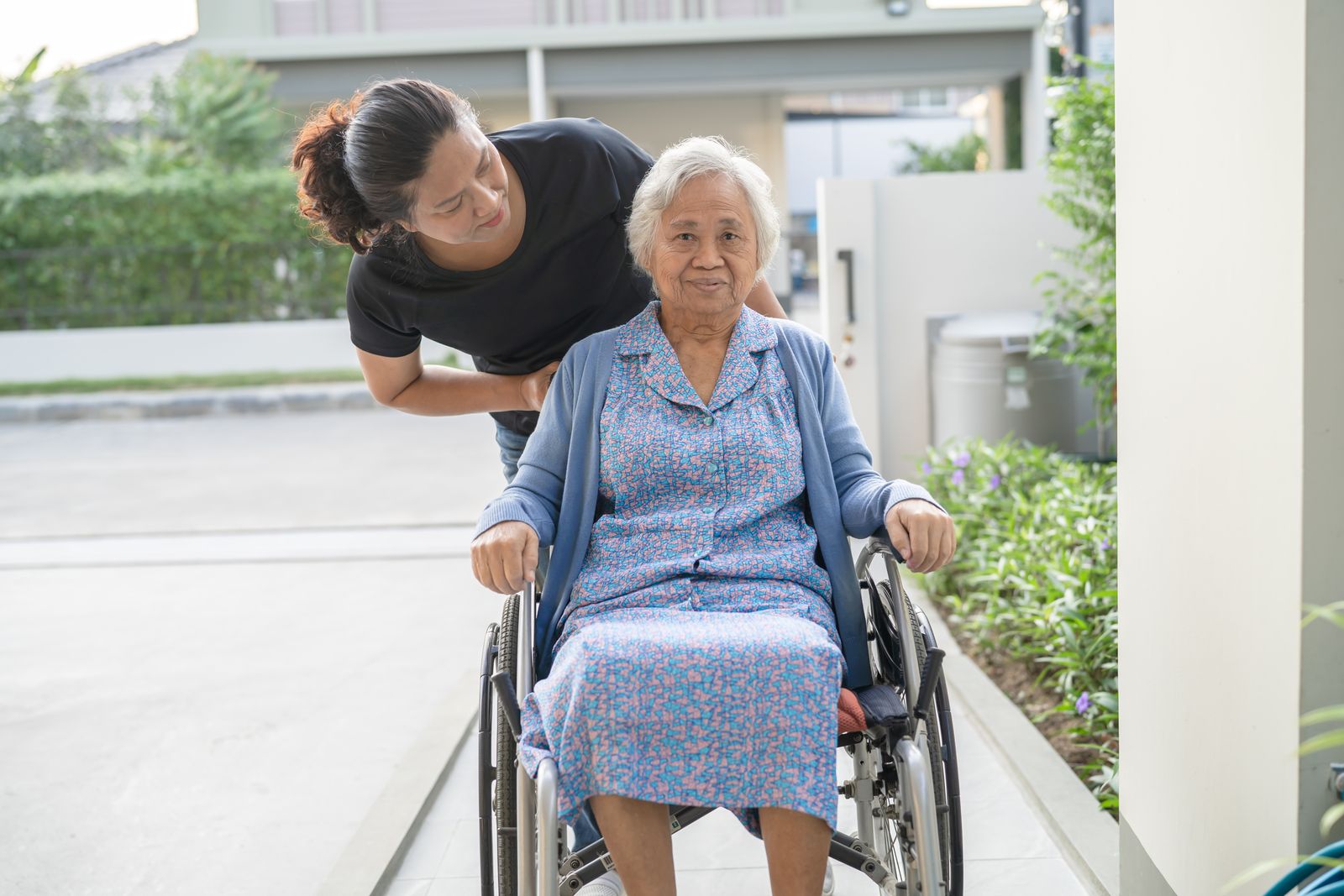

What is long-distance caregiving?


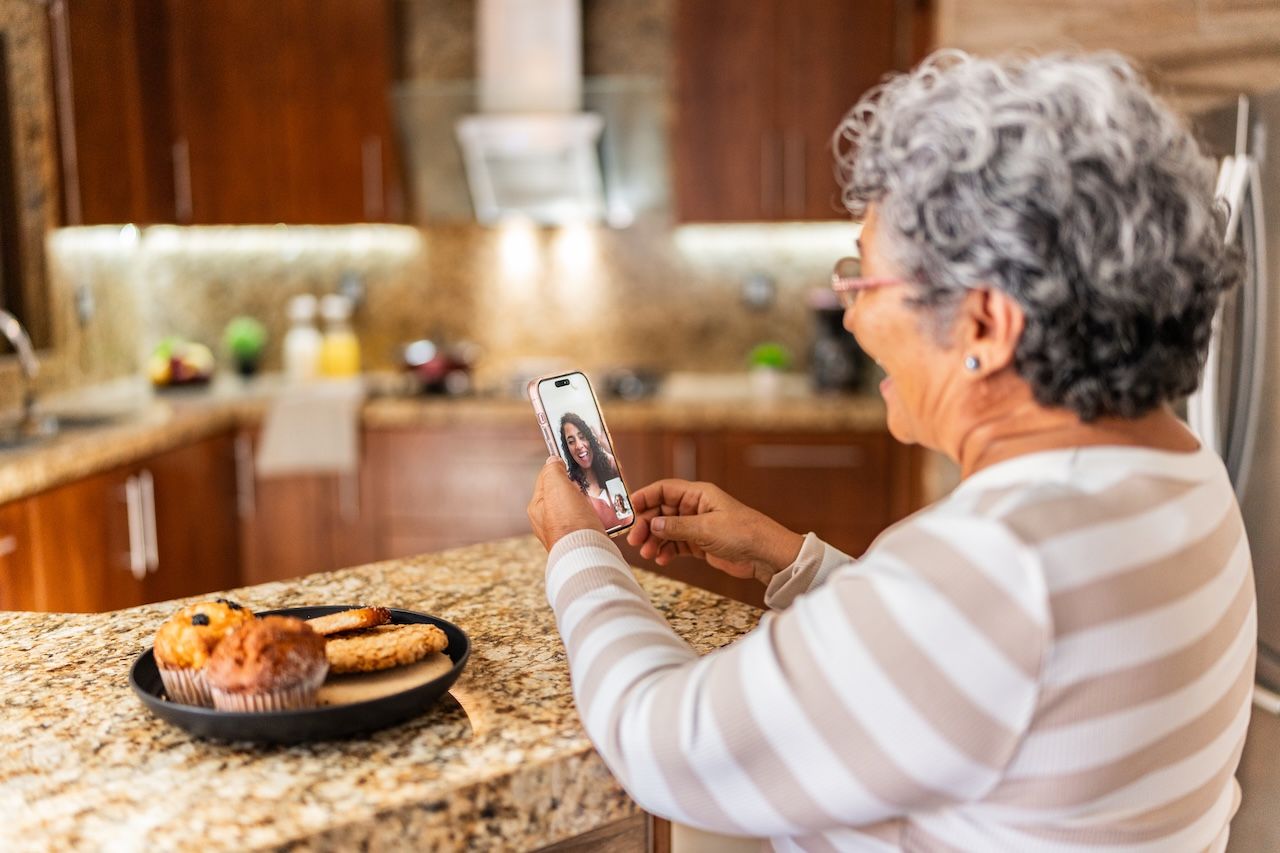
Distance doesn’t change how much you care about a loved one. Families are often spread across cities, states, or even countries.
Caregiving is often thought of as being physically present: helping with daily tasks, driving to appointments, sharing meals, or stopping by to check in. But caregiving doesn’t always happen face-to-face.
For many families, caregiving takes place across cities, states, and even countries. These long-distance caregivers provide support from afar, helping coordinate care, manage responsibilities, make important decisions, and stay connected to the people they love, even when they’re miles away.
What is long-distance caregiving?
Long-distance caregiving is when you actively care for an older adult, family member, or loved one who lives too far away to provide daily, hands-on care. Every caregiving situation is different, but typically a long-distance caregiver lives at least an hour away from the person they care for.
While distance can make caregiving more complicated, getting useful tools, establishing a support system, and making a solid plan can help you stay involved in your loved one’s care and well-being.
What types of care does a long-distance caregiver provide?
Being a long-distance caregiver often involves more than just picking up the phone for a FaceTime call. Even if you’re a hundred miles away, you may still be coordinating services, managing finances, arranging transportation, and providing emotional support all from afar.
Here’s a list of some of the responsibilities of long-distance caregiving:
Care coordination
You may act as the primary organizer of your loved one’s care. This can include scheduling medical appointments, communicating with healthcare providers, arranging transportation, coordinating home care services, and helping manage transitions after a hospitalization or health event.
Medical and health management
You may help monitor your loved one’s health from afar by tracking appointments, reviewing treatment plans, organizing medications, and staying in contact with doctors and specialists. You can also use health monitoring tools, patient portals, and virtual medical appointments to stay informed.
Financial and administrative support
Long-distance caregivers also manage bills, insurance claims, legal paperwork, and household finances. This can include making sure expenses are paid on time, reviewing medical bills, helping with benefit applications, or protecting your loved one from financial scams and fraud.
Emotional support and social connection
Your regular phone calls, video chats, texts, and visits can provide valuable companionship and reassurance. As a trusted source of emotional support, you can help your loved one feel connected, heard, and less isolated.
Emergency planning and decision-making
When a health crisis or emergency occurs, you might be the first call to coordinate the next steps. Having emergency contacts, healthcare directives, and other plans in place can help you make informed decisions quickly if that urgent situation arises.
Daily living support
While you may not be there day to day, the support you organize and provide is. You can arrange services that help your loved one remain independent at home. This may include grocery or meal delivery, medication management services, transportation assistance, and personal emergency response systems (PERS).
Aging care planning
You can help your family prepare for future needs by researching care options, discussing housing decisions, exploring home care or senior living choices, and planning the possibility that your loved one may need more support over time.
Common challenges for long-distance caregivers
There’s a lot that you can do to support your loved ones as a long-distance caregiver, but distance can create challenges. Here are some to be aware of:
Being far away during an emergency or health crisis
A fall, hospitalization, or sudden health change can leave you scrambling to help from afar.
Create an emergency plan with local contacts, key documents, and clear next steps, so support is ready when you cannot be there.
Communication barriers and staying informed about care
From a distance, you may miss day-to-day changes. Set regular check-ins, secure the proper permissions, and use a shared communication plan to keep everyone informed.
Financial costs, bills, and insurance paperwork
Managing bills, claims, medical expenses, and fraud risks from afar can be time-consuming.
You can use automatic payments, organized records, spending alerts, and a travel budget to make the financial workload more manageable.
Balancing other responsibilities and caregiver burnout
You may be balancing caregiving with work, children, your household, or other family responsibilities.
Share tasks, set realistic boundaries, and seek respite or professional support before stress becomes burnout.
Emotional stress, guilt, and family conflict
You may worry that you are not doing enough or feel guilty that you cannot be there more often.
Hold regular family conversations, clarify roles, and involve a counselor or mediator when disagreements become difficult.
Limited ability to monitor daily changes
Small changes in your loved one’s health, mobility, memory, or mood can be hard to notice from a distance.
Arrange regular local check-ins and use shared updates or monitoring tools to spot concerns earlier.
Coordinating healthcare and local services
Coordinating appointments, home care, transportation, meals, and community resources can be complex in person, let alone from a distance.
Choose a trusted local point person and keep provider contacts and schedules in one shared place to help services work together.
7 long-distance caregiving tips
Now that we’ve looked at some of the challenges of long-distance caregiving, how about some tips to help you out? With the right tools, strategies, and support you’ll be able to provide care for your loved one no matter how far away you are.
1. Build a strong local support network
Identify trusted neighbors, friends, family members, or community contacts who can check in on your loved one and help during emergencies. Having reliable people nearby can provide peace of mind when you can't be there yourself.
2. Stay connected through regular communication
Schedule consistent check-ins through phone calls, video chats, texts, or caregiving apps. Shared calendars and family communication tools can help everyone stay informed and coordinated.
3. Use technology and organization tools
Keep important medical, financial, and legal information organized and accessible. Technology such as patient portals, medication reminder apps, health monitoring tools, and virtual appointments can help you stay involved from afar.
4. Coordinate care and community resources
Develop relationships with healthcare providers, local service organizations, and aging support programs. Resources such as transportation services, meal delivery programs, and Area Agencies on Aging can help fill care gaps.
5. Create an emergency and medication management plan
Prepare for unexpected situations by establishing emergency contacts, documenting medical information, and creating clear plans for potential health crises. Medication organizers, pharmacy delivery services, and automated reminders can also help support daily health needs.
6. Plan ahead for future care needs
Talk with your loved one and family members about future preferences, care options, legal documents, and financial planning before a crisis occurs. Early planning can make future decisions less stressful.
7. Take care of yourself, too
Long-distance caregiving can be emotionally and physically draining. Make time for your own health and well-being, seek support when needed, and consider professional care services if caregiving responsibilities become overwhelming. Taking care of yourself is an important part of being able to care for someone else.
You can go the distance
Some days, long-distance caregiving can feel manageable. Other days, it can come with uncertainty, worry, and the feeling that you should be doing more. It’s common to wonder whether you’re missing important changes, to feel guilty about not being there in person, or to struggle with balancing caregiving alongside work, family, and other responsibilities.
But we’re here to remind you that providing care from afar doesn’t mean providing less care. Long-distance caregivers often become advocates, problem solvers, organizers, and trusted sources of support for the people they love. With the right strategies and resources, it’s possible to stay connected, involved, and prepared, even when miles separate you.
Long-distance caregiving starts with a plan
Supporting a loved one from miles away can feel overwhelming, but you don’t have to figure it out alone. Get a personalized Care Plan with guidance and resources to give you a clear path forward.
Expert reviewed by


Jennifer Morris-Pugliese, LSW
Jennifer is a dedicated licensed social worker specializing in aging services, with a passion for supporting older adults, caregivers, and families. With over 30 years of experience in the field, she has worked across diverse settings, including community programs, lo...
Written by

Brian Dowd
Brian is writer based in New England. He is a passionate storyteller with a knack for finding the extraordinary in the ordinary. He joined CareScout as a Senior Content Writer in 2024. Before that, he worked as a content writer in the senior living industry and worked for several years as an assi...