Memory care vs. skilled nursing home: what’s the difference?



Memory care supports people living with Alzheimer’s disease, dementia, and other cognitive changes, while skilled nursing provides more intensive medical and rehabilitative care.
A person’s health, safety, cognitive changes, and need for daily or medical support can help determine which care setting may be appropriate.
Medicare, Medicaid, long-term care insurance, veterans benefits, private payment, and PACE may help cover eligible care costs.
If you’re helping an older adult find the right care, you may be wondering about the difference between memory care and a skilled nursing home. Is memory care a type of nursing home, or does each setting provide different support?
Both are types of long-term care, but they serve different purposes. Memory care focuses on supporting people living with Alzheimer’s disease, dementia, or other cognitive changes, while skilled nursing provides more intensive medical care. Here’s a closer look at the key differences.
What is memory care?
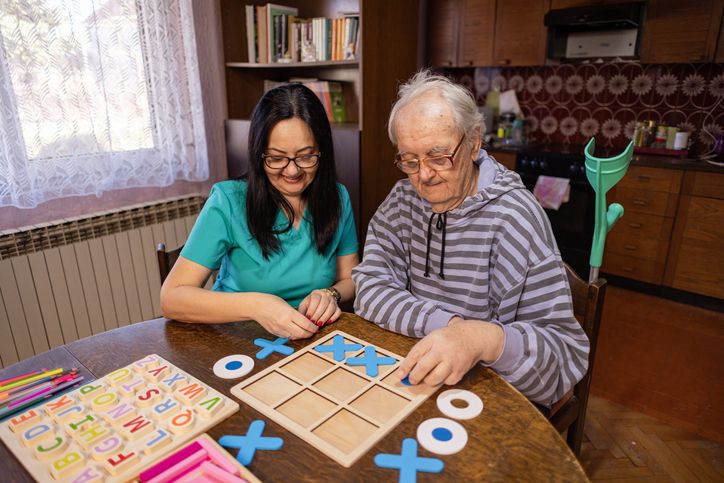
Memory care is a type of long-term care designed specifically for older adults living with Alzheimer’s disease, dementia, and other cognitive impairments.
For people living with Alzheimer’s disease or dementia, independence may decrease as symptoms become more severe. Memory care communities offer a safe, secure environment and employ professionals trained to support the unique needs of people with memory loss. Residents may live in secure areas or a dedicated wing of an assisted living or skilled nursing community (SNF). Skilled nursing communities are fully supervised by staff members 24 hours a day, seven days a week.
To provide appropriate support, memory care communities have staff members who receive specialized training. They learn how the needs of people living with dementia or mild cognitive impairment (MCI) may differ from those of other residents, including the support they may need with daily life.
What is skilled nursing?
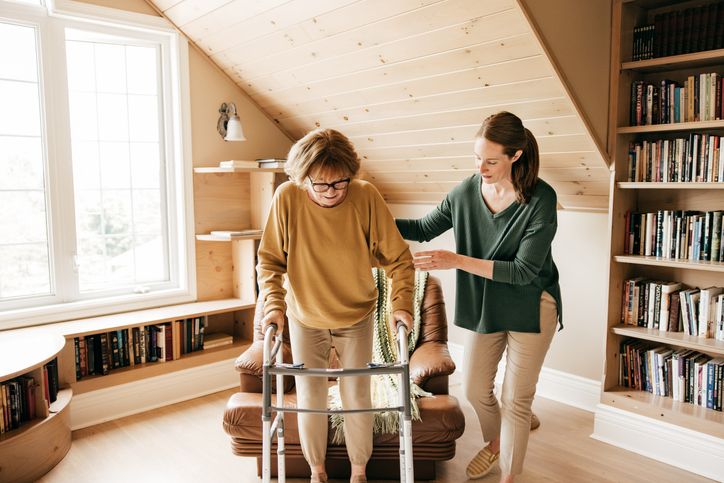
Nursing homes, also known as skilled nursing facilities, provide care that is generally more medically intensive than care in memory care units. This level of care is typically needed when a person requires rehabilitation or has complex medical needs that can’t be managed at home or in an assisted living community. SNFs provide care 24 hours a day, seven days a week, with staff members trained to provide medical support. Skilled nursing may be used for short-term or long-term care.
What care does a skilled nursing home provide?
Skilled nursing provides medical services that assisted living and memory care typically don’t offer, including IV insertion, injections, and other medical care. SNFs also provide personalized help similar to assisted living, including support with activities of daily living (ADLs) such as bathing, managing medications, and dressing.
Skilled nursing communities may also provide meals, laundry, housekeeping, social activities, physical therapy, and around-the-clock security.
When should you consider a nursing home?
The decision to move your loved one to skilled nursing usually comes down to two factors: the severity of their condition and their care needs. If their condition is serious enough to require around-the-clock medical supervision, or if they need specialized care that can only be provided there by trained medical professionals, skilled nursing is likely the most appropriate option.
Here are five signs that it may be time to consider skilled nursing:
Your loved one requires constant supervision and care from trained professionals, such as registered nurses and doctors.
Your loved one has complex medical needs that require around-the-clock care.
Your loved one needs specialized care that only a skilled nursing facility can provide.
Your loved one can no longer live safely on their own.
Your loved one is forgetting to take medication, and medication management is becoming a greater need.
Ways to pay for skilled nursing
Skilled nursing often becomes necessary after an unexpected medical event. If you believe an SNF may be needed soon, starting a conversation about financing options can help you and your loved one prepare for the cost.
Depending on eligibility and the type of care needed, the following options may help pay for skilled nursing:
Medicare: Medicare Part A will cover short-term skilled nursing when care is provided in an approved SNF under certain conditions.
Medicaid: Medicaid may cover skilled nursing services for income-eligible older adults at state-certified, Medicaid-approved skilled nursing facilities.
Long-term care insurance: : Long-term care insurance (LTC) can cover a variety of expenses associated with long-term stays, such as a hospital visit or care in a skilled nursing facility.
Veterans benefits: The Department of Veterans Affairs (VA) provides long-term care services that eligible older veterans may use to cover skilled nursing support. You must be enrolled in VA health care, and the VA must determine that skilled nursing services are needed for your ongoing treatment and personal care. Services are provided in an approved community near you.
Pay out of pocket: Families may use savings or contribute a portion of their income to cover skilled nursing costs. If you or your parent owns a home that will no longer be occupied, options may include selling it, taking out a reverse mortgage, or using it as a rental property. For example, if your loved one plans to move into assisted living after skilled nursing, they may no longer need the house.
Program of All-Inclusive Care for the Elderly: PACE is a federal program that helps people meet their health care needs within their community rather than moving to a residential care setting. To qualify, you must be age 55 or older, live in a PACE organization’s service area, and need “a nursing home-level of care”.
When should you consider memory care?
Deciding whether to move someone you love into a memory care community can be difficult, but you don’t have to make the decision alone. Staff members in memory care communities receive specialized training to support people living with Alzheimer’s disease and other forms of dementia. They can provide the level of care and support your loved one needs. Ultimately, that support may also give you the respite you need to rest and care for yourself.
The following 12 warning signs may indicate that it’s time to start considering memory care:
A decline in physical health
Changes in behavior
Confusion and disorientation
Incontinence
A decline in the family caregiver’s health or well-being
Difficulty with daily activities and routines
Neglecting personal hygiene
Forgetting to take medication
Wandering
Severe memory loss
Signs of depression
Frequent falls
Ways to pay for memory care
The cost of health care and memory care can create financial challenges for people living with dementia and their families. There are four main options to consider when looking for ways to pay for memory care:
Medicare: Medicare covers some, but not all, services provided in a memory care community. It doesn’t cover long-term care, although it may cover certain types of assistance.
Medicaid: Many people enrolled in Medicaid can’t afford other forms of health insurance. By law, Medicaid can’t pay for room and board, but it may cover the cost of care for residents. In many memory care communities, a Medicaid waiver may be used toward room and board costs.
Long-term care insurance: Long-term care insurance may cover different types of long-term care, including in-home care, assisted living, respite care, hospice care, nursing home or skilled nursing care, and Alzheimer’s or dementia care.
Out-of-pocket payment: Out-of-pocket payment is also called private pay. This means the individual receiving care or their family pays the cost of memory care directly.
Is memory care considered skilled nursing?
Memory care and skilled nursing aren’t the same, although memory care communities may employ skilled nursing professionals to support residents. Skilled nursing services can help people rehabilitate after an illness or injury while also supporting chronic conditions that require daily care.
Memory care supports people living with Alzheimer’s disease or dementia. In a specially designed setting, such as a memory care unit, residents receive individualized support tailored to their cognitive and daily care needs.
When to transition from assisted living to memory care
It can be hard to know when someone you love needs to move from assisted living to memory care. Looking for changes in their safety, health, behavior, and ability to manage daily life can help you decide when it’s time to consider a move.
Some of the most common signs include:
They stop socializing with other people.
Their physical condition declines.
They show signs of depression.
They get lost easily.
They begin to wander.
Their ability to complete everyday tasks declines.
They struggle to manage their home, money, or bills.
To make an informed decision, talk with family members, friends, health care professionals who understand your loved one’s situation, neighbors, and others who interact with them regularly.
These conversations can provide outside perspectives and valuable insight into whether your loved one may be ready to transition to a memory care setting.
Choosing memory care or skilled nursing
Understanding the difference between memory care and skilled nursing is essential when you’re making decisions about care for someone you hold dear. Both types of care provide meaningful support and assistance, but they’re designed to meet different needs and levels of care.
As you consider the appropriate level of care, approach the decision with empathy and involve your loved one whenever possible. Consider their specific needs, preferences, and medical requirements, along with their comfort, dignity, and security.
Everyone deserves personalized, compassionate care. Understanding memory care and skilled nursing can help you advocate for the specialized support your loved one needs to live as comfortably and fully as possible.
Explore the resources below, speak with the people involved in your loved one’s care, and use what you learn to identify the most appropriate next step.
Memory care vs. skilled nursing home: what’s the difference?
Planning ahead can make future care decisions easier. Explore care costs and resources designed to help you prepare.
Expert reviewed by


Nipun Chopra, PhD
Nipun Chopra reviews medical and aging content. With a PhD in Medical Neuroscience from Indiana University School of Medicine, Dr. Chopra's research was centered on the role of key proteins in the progression of Alzheimer's disease.
Written by

Marlena del Hierro
Marlena del Hierro is a strategic senior care industry leader with over a decade of experience. As Director of Operational Growth at CareScout, she drives growth and forges strategic partnerships, leveraging her MA in Gerontology from San Francisco State University. Pr...