What to expect from skilled nursing at home


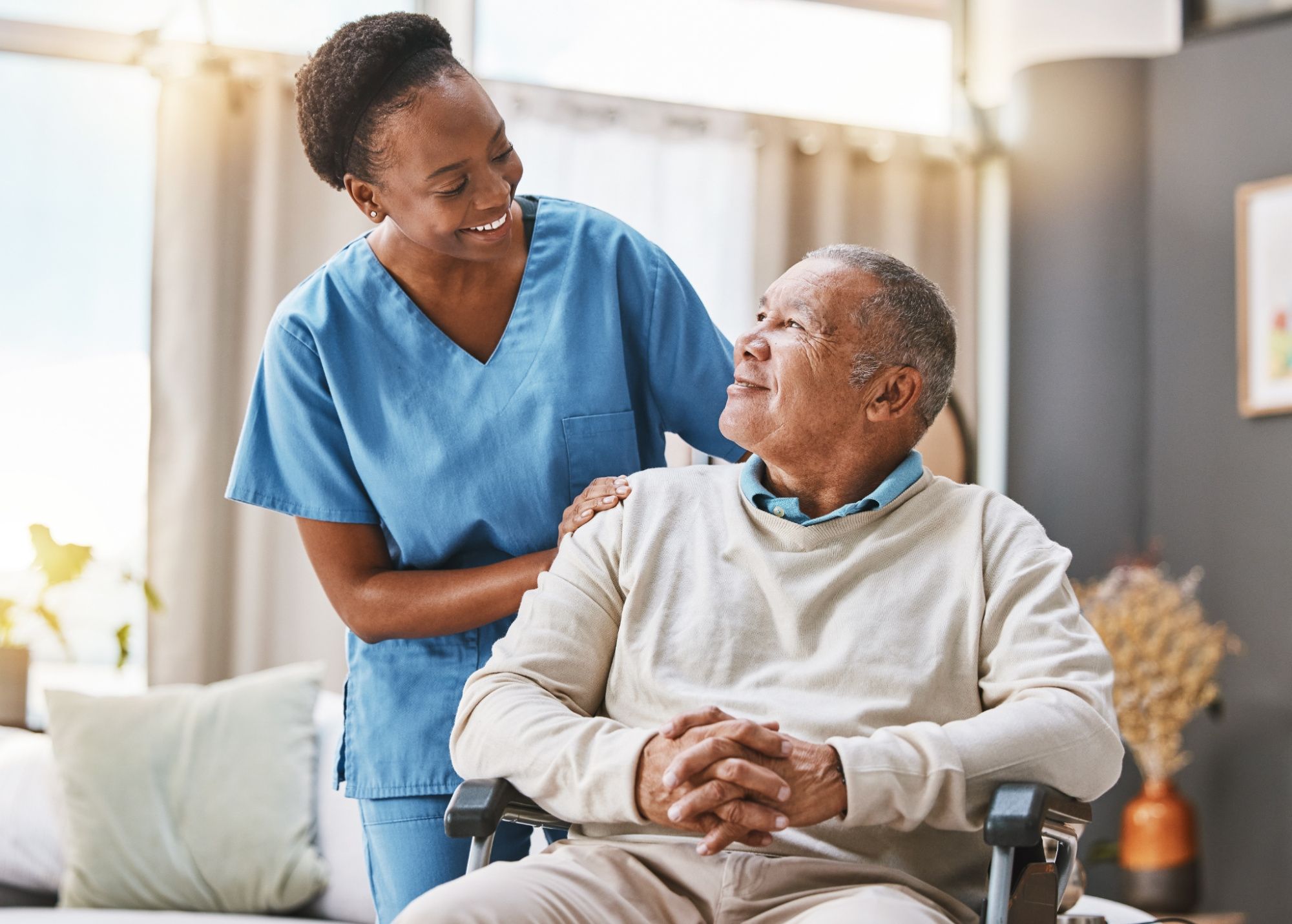
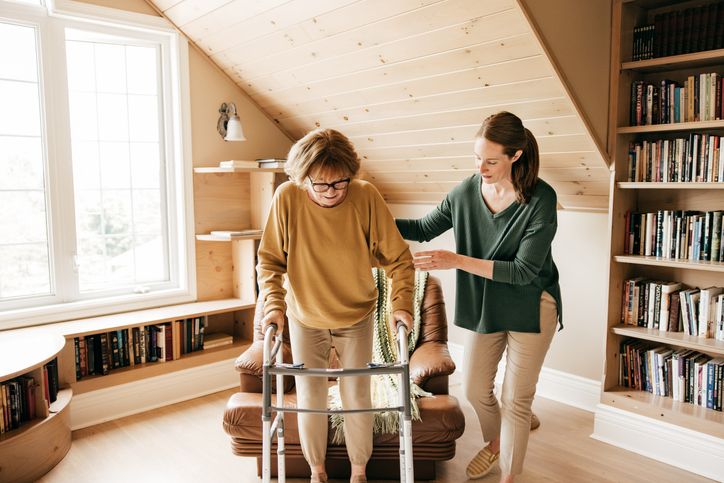
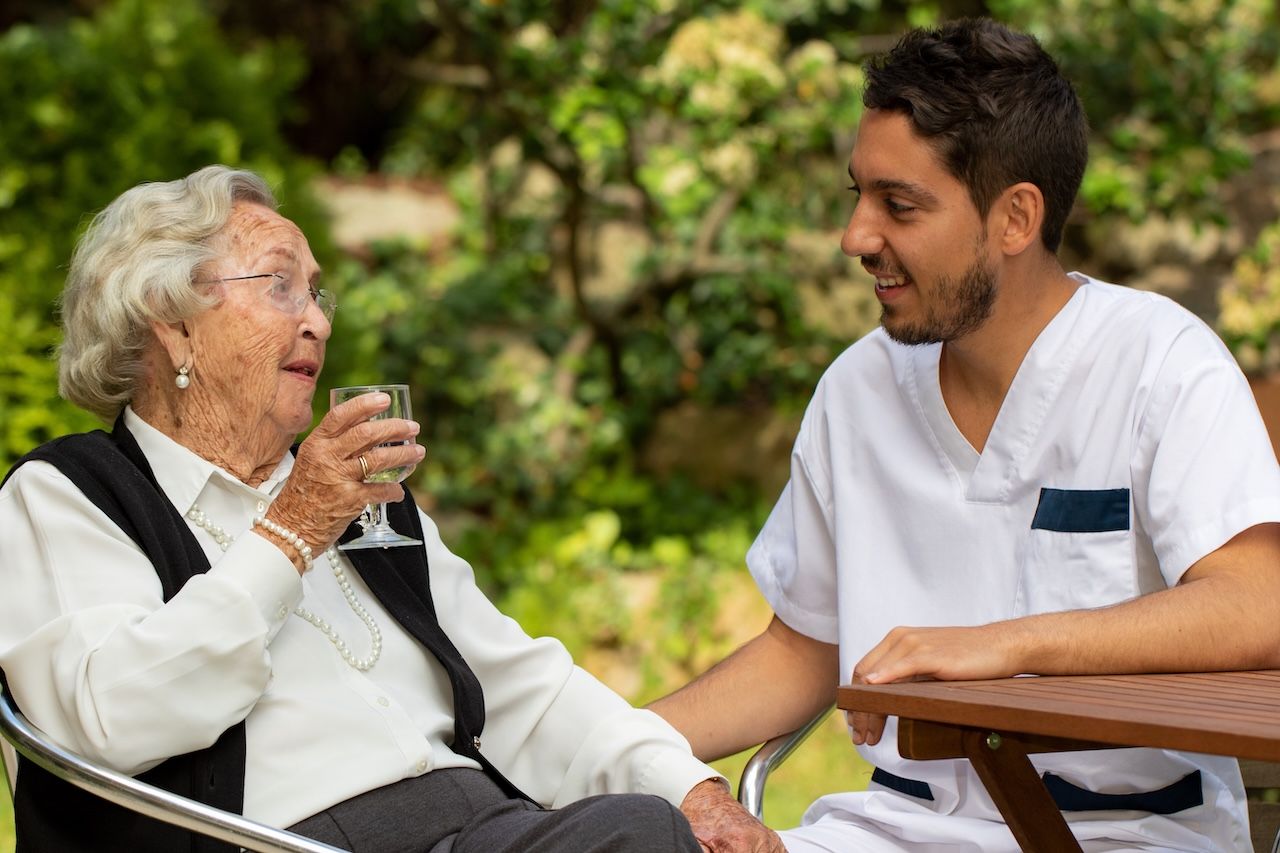
Skilled nursing at home provides specialized services that can help an older adult recover from an illness or injury in familiar surroundings.
When comparing care options, consider your loved one's needs and preferences, your budget, and the provider's qualifications.
Medicare may cover part-time skilled nursing at home when specific care and medical requirements are met.
For many families, skilled nursing at home offers a way to get experienced medical support without leaving the comfort of familiar surroundings. It can help an older loved one recover, manage changing health needs, and stay connected to the routines and people that matter most.
Here’s what to know about how skilled nursing at home works, what services it may include, and how to decide whether it’s the right fit.
What is skilled nursing care at home?
Skilled nursing at home is a type of in-home care that provides specialized care services and support for an older adult who needs help recovering from an illness or injury. Some of the services commonly included in skilled nursing at home are medication management, personal care assistance, activities of daily living (ADLs), physical therapy, nutrition counseling, meal preparation, and emotional support.
The services included in skilled nursing at home can vary based on your loved one's individual needs. Additional services may include:
Physical therapy
Occupational therapy
Speech therapy
Medical equipment
Wound care
IV therapy
Monitoring of vital signs
Medication management
Catheter care
Injections
Incision and drainage care
Rehabilitation services
The benefits of home health care
When your older loved one needs skilled nursing care, there are several factors to consider. One important decision is whether home health care or a nursing home is the right care option. A nursing home, more often called a “skilled nursing facility” or “SNF”, may provide more comprehensive, long-term care. However, there are many potential benefits to choosing skilled nursing care at home for your loved one.
Your loved one can remain in their familiar home environment while receiving the care and support they need. Staying at home can help reduce stress and anxiety while strengthening their sense of security and comfort during recovery.
Another benefit of skilled nursing at home is that your loved one can receive individualized care from highly trained professionals who understand their unique needs. This level of personalized attention isn't always possible in a nursing home setting, where professionals may support many residents with different and sometimes complex needs.
Finally, skilled nursing at home is typically more cost-effective than a nursing home stay. This is partly because some health insurance plans, including Medicare, will cover some of the costs associated with this type of care. If you're still unsure whether home health care or a nursing home is the right option for your loved one, talk with their doctor about what they recommend.
How to choose skilled nursing care at home
According to AARP, 77% of adults age 50 and older want to remain in their own homes and age in place. Life circumstances can sometimes make that impossible, and a skilled nursing facility may be necessary. If your loved one can receive skilled nursing at home, there are a few ways to determine whether this care option is right for their needs.
When choosing skilled care at home for your loved one, consider the level of care they need, their personal preferences, your available budget, and the experience and qualifications of the care providers. Questions you may want to ask when evaluating potential skilled nursing providers include:
What training do the professional caregivers have?
Are there specialized services or programs that may help meet my loved one's specific needs?
How does the care team manage symptoms and work to improve my loved one's quality of life?
The advantages of home care for older adults
Older adults may face several health challenges, including mobility issues, chronic pain, and mental health conditions. If your loved one is managing these concerns, skilled nursing at home can be a valuable resource. Potential benefits include greater independence, improved quality of life, and reduced stress levels.
Home health care can include a personalized care plan, allowing more time to be dedicated to your loved one's health and care. Other advantages may include a quicker recovery, help with reducing pain levels, and the ability to recover in their own home and familiar surroundings.
With in-home care, you or your loved one can remain at home with help from an experienced professional. These home care professionals may provide hourly care or daily live-in care. The advantages of home health care include:
Personalized care A personalized care plan tailored to your loved one's needs, lifestyle, and preferences can help them continue living life as normally as possible while receiving extra support when they need it.
The comfort of home Staying at home means your loved one can sleep in their own bed, sit in their favorite chair, and remain close to their spouse or partner, family, and pets. The comfort of familiar surroundings can help people with progressive memory conditions such as Alzheimer’s and dementia, as well as older adults managing mobility issues.
Greater independence Many older adults worry about losing their independence. Staying at home can support self-reliance by allowing your loved one to choose when to get up, when to eat, when to bathe, and when to socialize on their own terms.
Family support One of the advantages of home care is that family members and friends can remain involved and be part of your loved one's daily care plan.
One-on-one care at home Your loved one can receive the assistance they need quickly without waiting for another person to receive care first.
A flexible schedule Home care can allow your loved one to complete daily tasks on their own schedule. By comparison, a skilled nursing facility may have set days and times when you can visit your loved one.
Relief for family caregivers Home health care can help family members and friends provide personalized support for a loved one. Home health aides can assist with daily tasks, such as bathing or dressing. The home health care team can also teach family members how to provide follow-up support after an illness or injury, helping protect against family caregiver burnout.
Potential cost savings Home health care can save money by helping prevent the need for assisted living or nursing home care. With appropriate help at home, older adults may also avoid unnecessary trips to the hospital. Medicare or private insurance may cover some of the costs of home care.
Companionship Receiving care at home may make it easier for the home health care team, family members, and friends to visit your loved one. Without the same time constraints, your loved one may have more opportunities for interaction, which can help address loneliness and isolation.
The disadvantages of home care for older adults
Fewer opportunities to socialize An older adult who enjoys being around other people may not receive the same social benefits at home that they would receive in a residential care setting.
Changing home health care team members Some agencies change care team members from week to week. These changes can be unsettling for older adults and their families, especially when they value familiarity and a consistent daily routine.
Additional long-term costs At-home care may cost less at first, but you should also consider other long-term expenses. Ramps, chairlifts, railings, and similar home modifications can become costly over time.
Discomfort with unfamiliar people Some older adults may not trust people outside their family. Allowing someone new into their home may leave them feeling vulnerable or uneasy. Talk with your loved one about these concerns and what would help them feel most comfortable in their own home.
What to expect from skilled nursing care at home
When your loved one receives skilled nursing care at home, they can expect individualized care based on their specific needs and goals. This may include regular check-ins with the care team, a personalized care plan and treatment regimen, help with ADLs, and emotional support.
How Medicare covers skilled nursing at home
Medicare typically covers skilled nursing at home under Part A or Part B when medical care is necessary to help someone recover from a recent illness, injury, or hospital stay. Depending on your loved one's specific situation, Medicare may cover part-time skilled nursing at-home services. To qualify for this coverage, they must be under a doctor's care, have a care plan created by that doctor, and need part-time care certified by the doctor. They may also qualify if they need physical, speech, or occupational therapy to help improve their condition under the care of their doctor and specialists.
Medicare doesn't cover skilled nursing at home when someone needs more than part-time skilled nursing care and skilled nursing services. If you have questions about whether you or your loved one qualifies for Medicare coverage for skilled nursing at home, visit Medicare.gov.
Get peace of mind with a Care Plan
Every care journey is unique. A Care Plan, created by a licensed nurse, can help you take the next step with confidence.
Written by


Lydia Bruno
Lydia Bruno boasts over ten years of technical writing, having been a compassionate caregiver for over five years for seniors, and working within senior care facilities with a high level of dedication, care, and compassion for older adults and their families. When Lydi...