
16 best ways to combat senior isolation


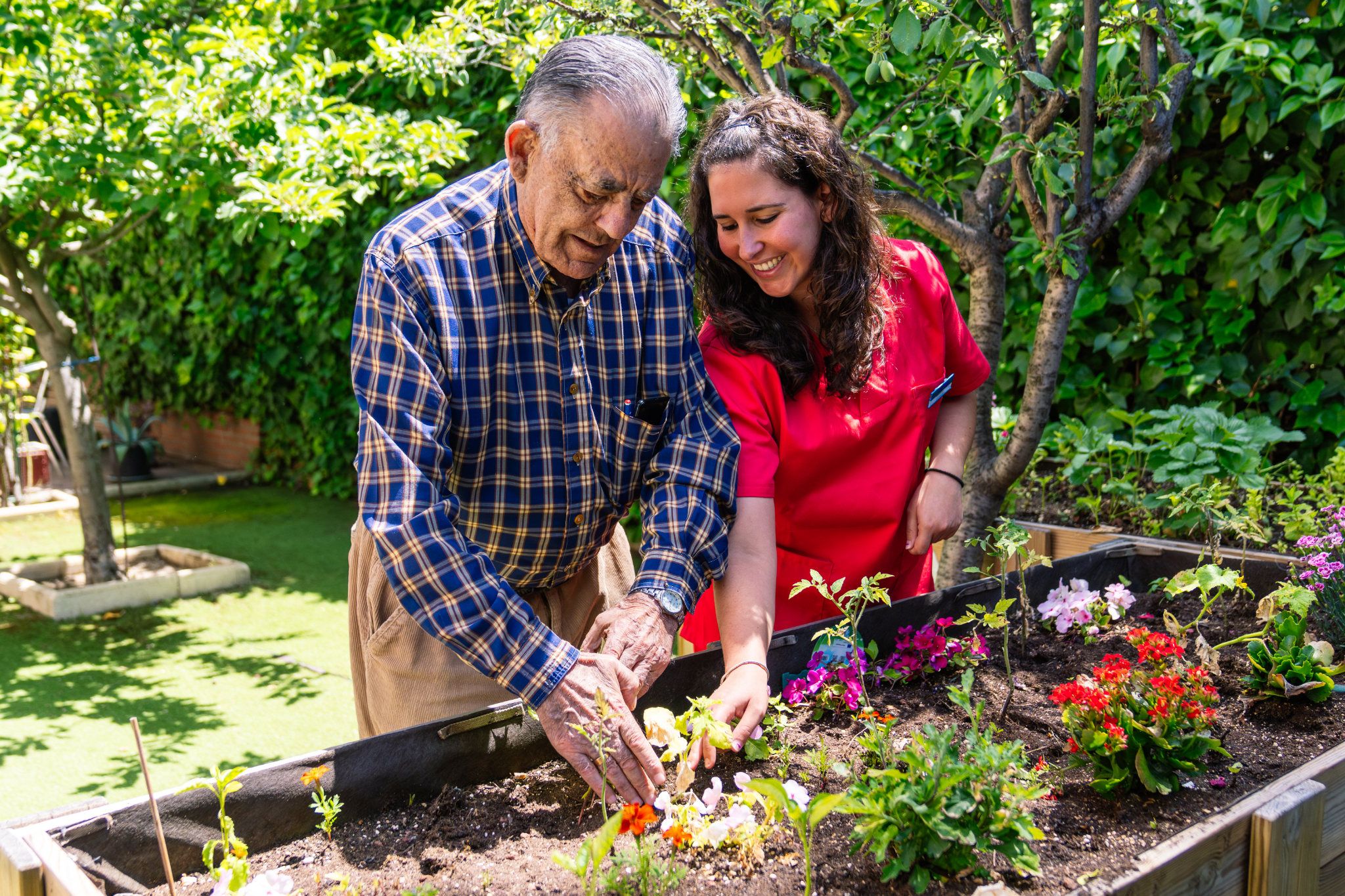
Regular conversations, visits, shared activities, and gatherings with friends can help an older adult stay socially connected.
Technology, volunteering, hobbies, community programs, and faith-based organizations can create more opportunities for meaningful interaction.
Pets, roommates, physical activity, and home care may also provide companionship and help reduce isolation.
Loneliness and social isolation can affect older adults even when they're surrounded by people who care about them. These feelings can contribute to a variety of physical and mental health concerns, such as depression and anxiety, which may contribute to other concerns, including a higher risk of heart disease or high blood pressure.
It's easy to take social interaction, mobility, and independence for granted. You may be able to go where you want, see friends, and spend time with others whenever you choose. As your parents or grandparents age, changes in these areas can leave them feeling isolated. Fortunately, there are practical ways you can help them build social connections, maintain important relationships, and feel more connected to the world around them.
16 ways to help an older adult feel less isolated
Social connection is fundamental to our well-being. As people age, they may spend more time alone, especially when their daily routines or ability to get around begin to change. This can lead to loneliness or more severe forms of isolation, such as Social Isolation Syndrome (SIS). This term describes when someone feels isolated and depressed because of that isolation. Loneliness has been associated with increased risks of heart disease and depression, while isolation may leave someone more vulnerable to other health concerns, including cognitive decline.
Feelings of loneliness can affect both physical and mental health. Adults who are lonely or socially isolated report worse health, have longer hospital stays, and are readmitted more often than those with supportive relationships. If you're worried about a parent or grandparent, small and consistent actions can help. Here are 16 ways you can help your loved one overcome loneliness and isolation.
1. Have regular conversations.
This is one of the simplest but most effective ways to help your parents feel less isolated. Call or visit regularly, ask about their daily activities, and give them time to talk about what's happening in their lives. Share what's happening in your life, too. Meaningful, two-way conversations can help both of you feel seen, included, and connected.
2. Invite your parents to visit.
If possible, invite them over for a weekend or an extended stay with you and your family. This gives them an opportunity to spend time outside their home, experience a change in routine, and take part in everyday family life. That time together can help everyone feel closer.
3. Encourage social activities and networks.
Many groups and organizations for older adults offer social activities, such as luncheons, dances, and theater performances. Ask your parents what sounds enjoyable rather than choosing for them. Then help them find an activity that interests them, and encourage them to get involved at a pace that feels comfortable.
4. Have a family game night.
You don't have to be a child to enjoy playing games with your parents. Invite them over for an evening that brings everyone together for conversation, connection, and fun. A regular game night can also give them something familiar to anticipate.
5. Encourage volunteering.
If your parents enjoy giving back, suggest volunteering for a charity or cause they care about. It can help them make a meaningful contribution to their community while meeting people who have similar interests and values.
6. Suggest hosting a dinner party or movie night.
If your parents feel comfortable hosting, they could plan a themed dinner where each guest brings something, such as an appetizer, dessert, or drink. They could also host a movie night and provide the snacks. A simple gathering at home may feel more manageable than going out.
7. Help them connect through social media.
Many older adults use social media to stay in touch with friends and family, especially when visiting in person isn't possible. Sites such as Facebook and Instagram can be useful tools for maintaining relationships. You can help your parents set up their accounts, understand the basic features, and learn how to use them regularly. You can also try smart technology, such as video chats through FaceTime to help you and your loved one communicate regularly, see each other's faces, and stay involved in everyday moments.
8. Suggest online games or phone apps.
If your loved ones aren't comfortable with social media, technology still offers other ways to connect. You could play crossword puzzles or card games online together or use group chat apps to stay in touch with friends and family. Start with an option that feels simple and familiar to them.
9. Plan regular meetups with friends.
If your parents are comfortable with the idea, help plan a monthly gathering at a restaurant, park, or local attraction. They'll have an opportunity to catch up with old friends and maintain those relationships. Their friends may also provide support when they're feeling lonely or confined.
10. Help them find an enjoyable activity.
Encourage your parents to restart an old hobby or take a class to learn something new. Returning to something they once enjoyed may feel familiar, while trying a new activity can add variety to their routine. Either choice may help them have fun and meet people who share their interests.
11. Consider adopting a pet.
Adopting a pet can provide comfort and may help lower stress and blood pressure. Whether the pet is a service animal that provides valuable assistance or a beloved companion, studies have found that pet-friendly senior living communities may do more than ease the move for older adults. The National Institutes of Health has conducted studies identifying both psychosocial and physiological benefits associated with pet ownership among older adults.1
12. Stay active.
Encourage your loved one to join a club or group focused on physical activity and aim for at least half an hour of exercise each day to help reduce the risk of obesity. Joining others for physical activity can also add regular social interaction to their routine.
13. Find a faith-based organization.
A faith community may offer a place for your loved one to deepen their spirituality and connect with people who share their beliefs. They may be able to participate in activities, events, or classes while building relationships with others.
14. Explore local community programs.
Community centers, senior centers, and public libraries may offer a variety of programs where your loved one can learn, participate, and meet others. Help them review the available choices and identify one that matches their interests.
15. Consider getting a roommate.
Sharing a home may help reduce costs while providing daily interaction and companionship. Having someone else around for everyday conversations and routines can help prevent isolation.
16. Receive home care.
Home care can help an older adult feel less lonely, especially if they spend much of their time at home. Professional caregivers and family members can assist with tasks such as preparing meals, keeping house, and providing transportation. Just as importantly, they can offer regular conversation and much-needed companionship.
Search for aging care providers
Finding the right care starts with understanding your options. Use our Care Finder to search for providers, including those in the CareScout Quality Network.
Written by


Lydia Bruno
Lydia Bruno boasts over ten years of technical writing, having been a compassionate caregiver for over five years for seniors, and working within senior care facilities with a high level of dedication, care, and compassion for older adults and their families. When Lydi...