Dehydration in older adults: what you need to know


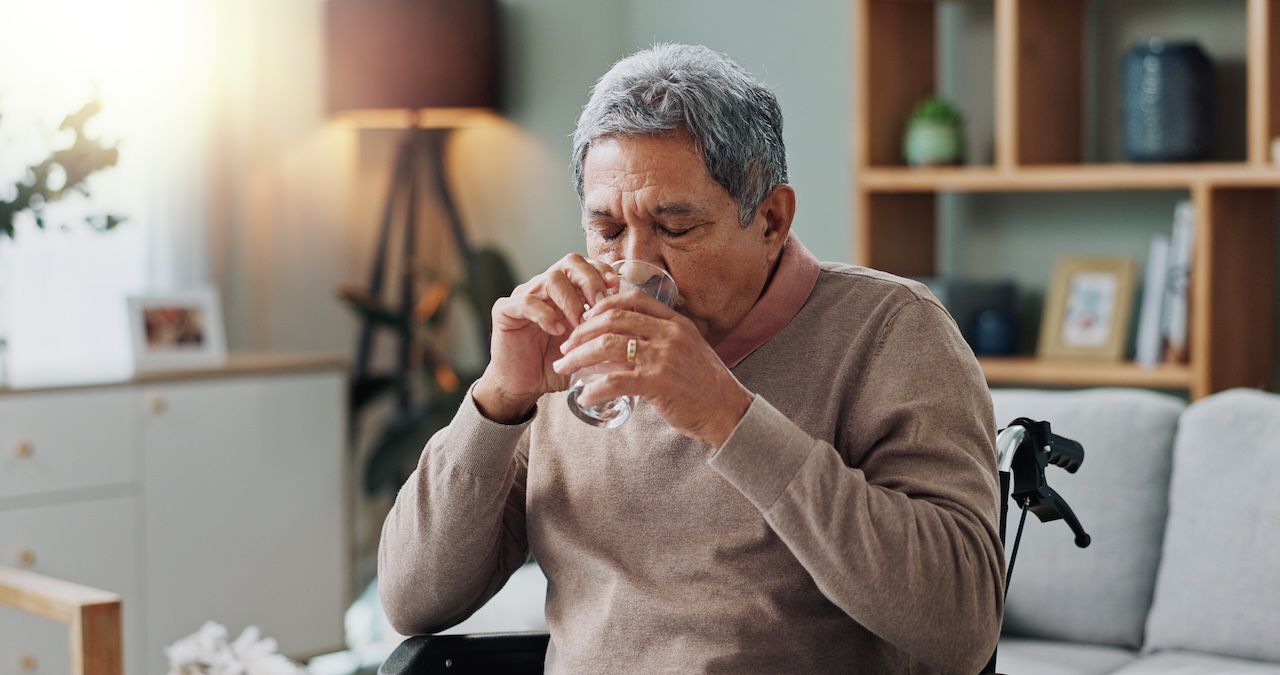
Dehydration symptoms in older adults may include thirst, dark urine, fatigue, confusion, constipation, dizziness, low blood pressure, and a rapid heart rate.
Age-related changes, medications, mobility challenges, incontinence, heat exposure, and difficulty swallowing may increase dehydration risk.
A consistent hydration routine, accessible drinking containers, reminders, hydrating foods, and a cooler environment can help prevent dehydration.
As a caregiver, you may be managing nutrition, exercise, medications, social connection, and many other needs all at the same time. One factor that's easy to overlook is something many of us take for granted: the ability to stay hydrated throughout the day. Moderate or severe dehydration is a serious concern for older adults, especially those who are managing chronic illnesses.
Symptoms of dehydration in older adults: What to look for
Knowing the signs of dehydration in older adults can help you recognize a potential issue and respond. A study on the hydration status of older adults identified common clues that may indicate your loved one is dehydrated:1
• Increased thirst and dry mouth: It may sound obvious, but an older adult who's dehydrated may feel noticeably thirsty or have a dry, sticky mouth. This discomfort can make it difficult to swallow, speak, and sometimes even breathe.
• Changes in urine: An older adult with even mild dehydration may not urinate as frequently, or their urine may be darker in color. This happens because the body is trying to retain as much water as possible.
• Fatigue and confusion: Dehydration in older adults may lead to severe fatigue or mental confusion. A dehydrated person has reduced blood circulation and blood volume. This decreases the amount of oxygen carried to the brain and may cause these noticeable changes in energy and thinking.
• Constipation: An older adult with dehydration may experience constipation. The body needs a significant amount of water to function properly and digest food. If an older adult isn't drinking enough, the body will pull water from the stool to compensate for the lack of hydration.
• Lethargy: Another notable sign of dehydration in older adults can be lethargy or a lack of energy. Water is essential for every cell in the body to function properly. When the body is dehydrated, the cells can't function as they should, which may result in an overall feeling of lethargy, weakness, and low energy.
• Dizziness: Older adults experiencing dehydration may report feeling dizzy or lightheaded. Dehydration decreases the total volume of blood in the body, reducing the blood and oxygen supplied to the brain. This change can cause temporary or momentary dizziness.
• Low blood pressure: Dehydration can also result in low blood pressure in older adults. With less water available for circulation, the amount of blood flow in the body may decrease. This can potentially cause weakness, lightheadedness, and, in severe cases, fainting.
• Rapid heart rate: A rapid heart rate, or tachycardia, is another common symptom of dehydration in older adults. When dehydration decreases blood volume, the heart may pump faster as it tries to provide the body's tissues with enough oxygenated blood. This may result in a faster-than-normal heart rate.
• Falls: Dehydration can significantly increase the risk of falls in older adults. This risk may come from a combination of symptoms. Dizziness, lethargy, low blood pressure, and a rapid heart rate can all contribute to instability, loss of balance, or fainting. Over time, this may increase the chance of falls and further complicate an older adult's physical health.
• Urinary tract infections (UTIs): Severe dehydration in older adults can increase the risk of urinary tract infections (UTIs). Drinking enough fluid helps regularly flush the urinary system, preventing the buildup of bacteria that can cause urinary and kidney problems. With dehydration, urine becomes more concentrated and urination happens less frequently. This gives bacteria more opportunities to multiply and potentially cause a UTI.
Common causes of dehydration in older adults
Many different factors can cause dehydration. For older adults, age-related health conditions may make the situation more complicated and leave them more susceptible than younger people. Risk factors such as diabetes or kidney disease, which are common among older adults, can also contribute to rapid fluid loss. Recognizing these factors and working to stop dehydration before it happens is key.
Lifestyle causes
• Mobility challenges: Some older adults may have physical conditions or disabilities that make water difficult to access. Mobility challenges can often make staying hydrated more difficult, according to researcher Merin Thomas.5 For example, an older adult who struggles to stand may be reluctant to get up and get water, even when they're thirsty and know they need a drink.
• Incontinence and fluid-limiting practices: One study reports that older adults managing urinary incontinence may limit their fluid intake to avoid common issues such as frequent urination and accidents.6 However, this practice can unintentionally reduce the body's necessary fluid levels. Family caregivers need to understand the risks associated with this approach and consider alternative ways to manage incontinence without creating a risk of dehydration.
• Hydration strategy: Oversized water bottles that make it easier for younger adults to drink 64 ounces a day can be difficult for older adults to lift and handle, especially if they have arthritis or other grip challenges. Smaller containers may be easier to manage and less cumbersome, but they can also make it more difficult to track how much water someone has consumed throughout the day.
• Heat exposure: Older adults who live in warmer climates, such as Florida, California, or Arizona, may unintentionally become dehydrated while spending time outdoors because of sweating. During hotter months, staying in air-conditioned or cooler spaces can help older adults maintain their hydration levels and avoid excessive water loss.
How to prevent dehydration in older adults
The primary way to treat dehydration in older adults is to replenish the fluids the body has lost. This can be done by increasing fluid intake by mouth or, in severe cases, intravenously. Water is usually the first choice, but beverages containing electrolytes may also be given to replace lost fluids and salts that the body needs to stay balanced.
• Follow a hydration routine: A familiar guideline is for older adults to drink fluids throughout the day, including at least eight 8-ounce glasses of water a day. Pairing drinks with regular meals or medications may make this routine easier to remember and follow consistently.
• Offer small glasses of water: Many older adults find small glasses of water easier to grip and handle than large ones. A small glass may also feel less overwhelming to someone who doesn't want to drink water.
• Keep it tasty: Include fruits such as watermelon, cucumbers, or oranges in meals because their high water content can help prevent dehydration. You can also flavor water with fresh fruit juice or make infused water with pieces of fruit. These approaches may make water more enjoyable and appealing to drink.
• Use a humidifier: In dry climates, using a humidifier can help prevent dehydration. A humidifier helps maintain more moisture in the indoor environment, which may reduce water loss from the skin and body and help an older adult stay adequately hydrated.
• Limit caffeine and alcohol: Older adults should limit alcohol and caffeine because both substances can increase urine production and potentially worsen dehydration. Instead, they can choose healthy, hydrating alternatives such as herbal tea, fresh fruit juice, or simply water.
• Set reminders: Setting timers can remind an older adult to drink fluids regularly throughout the day. There are app options on your smartphone that could be helpful. This may be especially useful for someone who forgets or neglects hydration, helping them maintain healthy fluid levels and prevent dehydration over the course of the day.
• Keep the home cooler: Maintaining cooler temperatures at home can help prevent dehydration. High temperatures may cause excessive sweating and rapid water loss, while a cooler environment can help maintain the body's water balance and reduce the risk of dehydration.
Dehydration can be dangerous for older adults, but there are many practical ways you can help prevent it and support healthy hydration. As your loved one ages, their body may become more vulnerable to the effects of dehydration, making it important to stay alert and watch their fluid intake. By learning the signs and symptoms, taking preventive steps, and regularly monitoring hydration, you can help protect your loved one's health, well-being, and quality of life. Start with a simple next step: make fluids easy to reach and build regular hydration into their daily routine.
Get peace of mind with a Care Plan
Managing your loved one’s nutrition, schedule, activities, and daily life can be a lot to handle. A Care Plan, created by a licensed nurse, can help create a road map for care.
Expert reviewed by


Angelica P. Herrera-Venson, DrPH, MPH
Angelica Herrera-Venson reviews content related to healthy aging and caregiving for Seniorly. With deep experience in public health policy and analysis, Dr. Herrera-Venson has focused much of her career in gerontology and public health. She has over 20 years of experie...
Written by

Marlena del Hierro
Marlena del Hierro is a strategic senior care industry leader with over a decade of experience. As Director of Operational Growth at CareScout, she drives growth and forges strategic partnerships, leveraging her MA in Gerontology from San Francisco State University. Pr...