
Older adults with depression: How to spot it and how to help


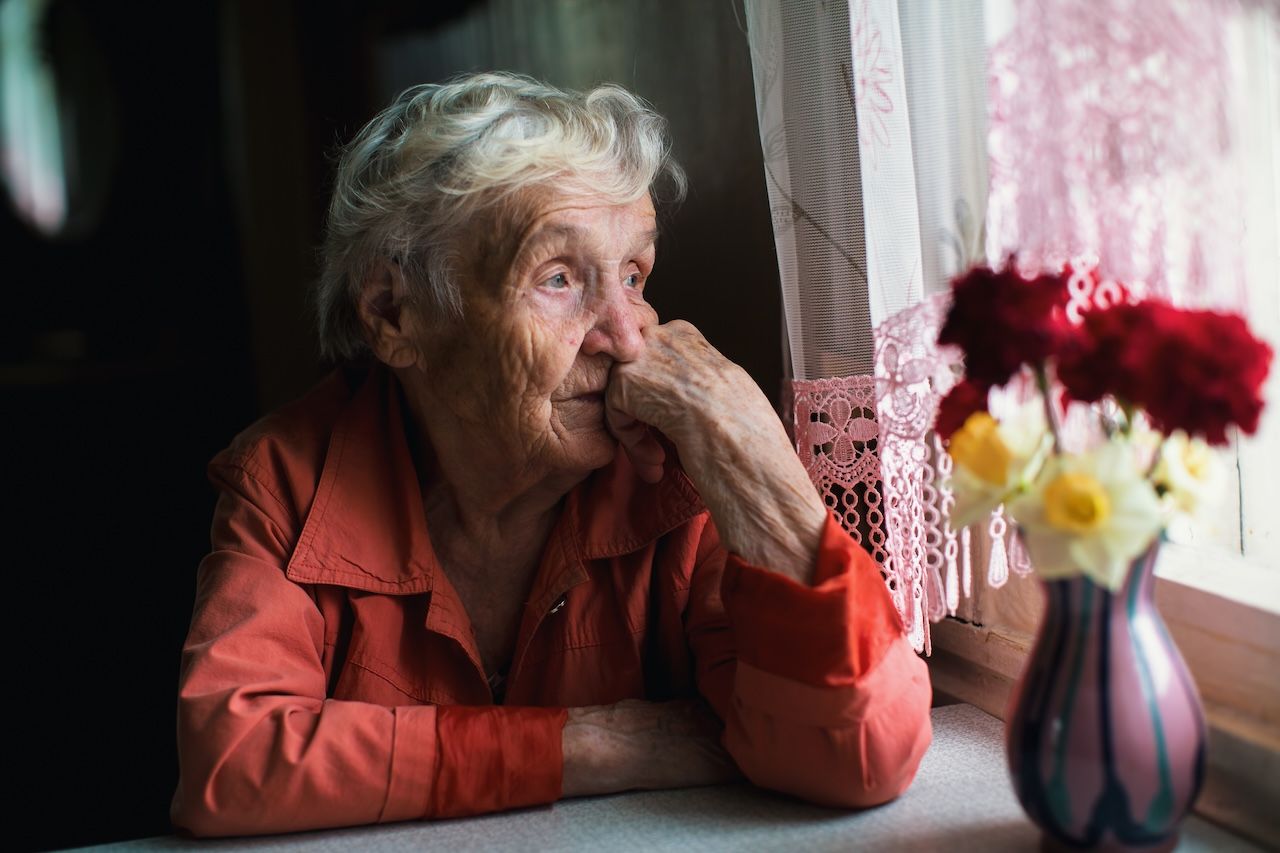
Depression is not an inevitable part of aging, and its emotional, behavioral, and physical symptoms deserve professional attention.
Treatment may include medication, psychotherapy, lifestyle changes, social support, and coordinated care for other health conditions.
You can help an older adult by listening without judgment, offering practical support, respecting boundaries, and encouraging professional care.
Getting older brings many life changes, and some are easier to manage than others. The aging process can affect a person's mental health, physical abilities, daily routines, lifestyle choices, and more. Whether these changes feel positive or negative depends on many factors, including current risk factors and other circumstances in the person's life.
Older adults sometimes face difficult medical conditions, social isolation, stress, and trouble adapting to change. You may try to support an older adult in your life, reassure them that they're not alone, and help with practical needs. Even with that care and attention, however, support from family and friends sometimes isn't enough.
Depression can affect older adults, and it deserves professional attention. Understanding what an older adult with depression may be experiencing, how symptoms can affect daily life, and which treatment options may be available can help you offer informed and compassionate support.
Important note: This article looks at depression, how to spot it, and ways to help. It is not intended to be medical advice. You should seek professional help and support if you or your loved one is experiencing depression.
How can depression affect older adults?
Depression can affect far more than an older adult's mood. It can reach into many parts of life, influencing physical health, social connections, independence, and the ability to enjoy everyday moments. Recognizing these broader effects can help you understand why timely support and treatment matter.
Physical health: Depression can worsen existing health conditions, such as heart disease or diabetes. It may reduce a person's motivation to manage those conditions by taking medication as directed, following a healthy diet, and exercising.
Increased mortality risk: Studies have associated depression in older adults with a higher risk of death. This is partly because of depression's relationship with other health problems and the potential for suicide.
Social isolation: An older adult experiencing depression may withdraw from social interaction. That withdrawal can create a difficult cycle in which isolation leads to greater loneliness and worsening depression symptoms.
Cognitive decline: Evidence suggests that depression in older adults may be linked to a higher risk of cognitive decline. This can include memory problems and slower processing speeds, which may affect a person's ability to manage daily responsibilities and live independently.
Reduced quality of life: Depression can significantly affect an older adult's quality of life. It may interfere with daily functioning, reduce enjoyment, and change how satisfied a person feels with their current stage of life.
Getting a depression diagnosis
If you or an older adult in your life is struggling with mental health, consider seeking an evaluation from a medical professional. To diagnose depression, a doctor will typically begin with a physical exam and ask about the symptoms you're noticing. They may also ask about family history, previous health complications, and other medical conditions the person has experienced.
For an older adult, a doctor may perform tests to determine whether another health issue or a medication, such as a calcium channel blocker, could be contributing to depression symptoms. If another cause isn't identified, a psychological evaluation may come next. During this evaluation, a medical professional asks about emotions, life experiences, and other factors affecting mental health. After reviewing all the information, the doctor can provide a diagnosis and recommend treatment options.
6 medications and their connection to depression in older adults
Some medications commonly prescribed to older adults may have side effects that contribute to or worsen depression. Careful management is especially important for older adults who may be more sensitive to medication side effects. The following medication types may list depression or mood changes as a possible side effect:
Beta-blockers: Used to treat high blood pressure, heart conditions, and migraines, beta-blockers such as propranolol (Inderal) and metoprolol (Lopressor) can sometimes contribute to depression.
Corticosteroids: Also known as steroids, corticosteroids are often prescribed for conditions such as asthma, arthritis, and lupus. Medications such as prednisone can have mood-altering effects, including an increased risk of depression.
Statins: These cholesterol-lowering medications, including atorvastatin (Lipitor) and simvastatin (Zocor), have been linked in some cases to mood changes, including depression.
Proton pump inhibitors (PPIs): Used to treat gastroesophageal reflux disease (GERD) and peptic ulcers, medications such as omeprazole (Prilosec) and esomeprazole (Nexium) have been associated with an increased risk of depression in some studies.
Calcium channel blockers: Medications such as amlodipine (Norvasc) and diltiazem (Cardizem), which are used to treat high blood pressure and heart conditions, have been reported to affect mood in some people.
Hormonal medications: These include treatments for prostate cancer, such as androgen deprivation therapy, and hormone replacement therapy (HRT) for menopause symptoms. These medications can affect mood and may contribute to depression.
What to expect during an evaluation
If you or an older adult in your life is struggling with mental health, an official evaluation from a medical professional can help clarify what's happening. A doctor typically begins with a physical exam and questions about current symptoms. The doctor may also ask about family history, previous health complications, and other medical conditions that could provide important context.
For an older adult, a doctor may order tests to determine whether another health issue or a medication, such as a calcium channel blocker, could be contributing to depression symptoms. If not, a psychological evaluation may follow. The medical professional will ask about emotions, life experiences, and other factors affecting mental health. After assessing this information, the doctor can provide a diagnosis and recommend treatment options.
Common misconceptions about depression in older adults
Despite extensive medical research into mental health among older adults, misconceptions about depression remain common. Supporting someone effectively requires more than understanding risk factors, recognizing the value of support groups, and encouraging healthy lifestyle changes.
It also means recognizing and correcting misinformation about this mood disorder. Clearing up these misconceptions can make it easier to take symptoms seriously and help an older adult seek appropriate care.
Depression is a normal part of aging: Some people believe that feeling depressed is simply another part of getting older. Depression isn't a natural or inevitable part of the aging process. It's a serious mental health condition that can affect people of every age.
Depression symptoms are always different in older adults: Older adults may sometimes express or experience symptoms of depression differently, but the core symptoms don't change with age. They may experience sadness, loss of interest in activities, and changes in appetite or sleep, just as younger people do.
Depression in older adults is primarily caused by medical conditions: Another misconception is that depression in older adults always stems from other medical issues and is more about physical health than mental health. Physical health problems can contribute to or worsen depression, but depression is a distinct condition that requires specific treatment.
Older adults are less likely to benefit from treatment: Some people believe depression treatments, such as psychotherapy or medication, are less effective for older adults. However, research shows that older adults can respond well to treatment. Effective depression management can significantly improve quality of life.
Older adults don't want or need psychotherapy: There's a misconception that older adults are too set in their ways for therapy or won't see its value. On the contrary, many older adults find therapy useful for managing depression, especially when it's tailored to their individual needs and life experiences.
Depression is less serious in older adults: Some people underestimate depression in older adults because they're at a later stage of life. In reality, depression can have profound effects on an older adult's quality of life, physical health, and mortality risk.
Social isolation and loneliness are simply part of aging: Older adults may face a greater risk of social isolation and loneliness, but neither is an inevitable part of aging. Both can be a cause and a symptom of depression, and social connection remains important for mental health at every age.
Treatment options for older adults with depression
Treating depression in an older adult may involve a compassionate combination of medical care, lifestyle changes, and ongoing support. Understanding the range of available options can help an older adult and their family caregiver make informed decisions with healthcare providers. Treatment may include the following approaches:
Medication management: Antidepressants can help manage depression symptoms, but finding the right medication and dose is important. Older adults may respond differently to these medications, and side effects can vary. Regular conversations with healthcare providers can help ensure that prescribed medication supports overall well-being without compromising other areas of health.
Psychotherapy: Also called talk therapy, psychotherapy can be particularly helpful for older adults. Approaches such as cognitive behavioral therapy (CBT) can help people change negative thought patterns and develop coping strategies. Sessions can also be tailored to address the needs, experiences, and challenges that may come with aging.
Lifestyle modifications: Changes in daily habits can have a meaningful effect on mood and mental health. A healthy diet, regular physical activity, and enough sleep can provide a strong foundation. Activities that encourage relaxation and reduce stress, including mindfulness and yoga, may also help.
Social support: Strengthening social connections can help address loneliness and isolation, which are common depression triggers among older adults. Taking part in community groups, senior centers, or hobby clubs can provide meaningful interaction, opportunities to form relationships, and a sense of belonging.
Home health services: For an older adult who has difficulty attending in-person appointments, home health services may bring support directly to them. Depending on the person's needs, these services can include nursing care, counseling, and physical therapy provided in the comfort of their home.
Assistive technology: Tools and devices designed for people with mobility or cognitive challenges may support independence and reduce frustration. By making some daily tasks easier to manage, assistive technology may also contribute to a more positive outlook on life.
Integrated care: Addressing coexisting medical conditions is important because physical and mental health can significantly affect each other. An integrated approach coordinates care for medical conditions with depression treatment, helping healthcare professionals consider the person's overall health.
Alternative therapies: Although more research is needed, some older adults may find relief from depression symptoms through acupuncture, massage therapy, or herbal supplements. These options should be explored with guidance from a healthcare professional to help avoid interactions with medications or other treatments.
How senior living may support mental health
For some older adults living with depression, moving to a senior living community may support mental health. These communities aren't only places to receive care. They may also offer an environment that encourages social connection, reduces some daily pressures, and supports emotional well-being in several ways:
Social connections: Senior living communities can help address loneliness by creating regular opportunities to connect. Scheduled activities and shared spaces encourage interaction, helping residents build friendships and develop a sense of belonging that can support mental health.
Structured activities: Taking part in a variety of planned activities may bring enjoyment and a sense of purpose. Art, fitness, and learning opportunities can engage both the mind and body while contributing to improved mood and overall well-being.
Professional support: Access to mental health services within a community can keep help close at hand. Counseling or therapy services may be available to address the specific concerns and challenges an older adult is experiencing.
Safety and security: Living in a safe environment with convenient access to medical care may reduce anxiety and stress. That reassurance can make it easier for residents to focus on their mental health, relationships, and happiness.
Less stress from daily responsibilities: When a senior living community handles household chores and maintenance, residents can spend more time focusing on the people and activities that matter to them. This can reduce daily stressors that might otherwise affect mental health.
Helping an older adult manage depression
Self-help, antidepressants, and therapy can all play a role in managing depression, and support from other people matters, too. You may worry about saying or doing the wrong thing and making a delicate situation worse. Focusing on listening, offering practical help, and encouraging professional care can give you a place to start.
Consult a primary care doctor: If they haven't already done so, encourage the older adult to speak with their primary care doctor. The doctor can consider whether medication side effects or undiagnosed medical issues may be contributing to depression. This step can also help ensure that the treatment plan is comprehensive and tailored to the person's specific needs.
Listen: Providing a safe place for an older adult to share their feelings can be valuable. Sometimes, they simply need someone who will listen without immediately trying to fix the situation. Your attention can help them feel understood, supported, and less alone.
Avoid judgment: Keep an open mind, and avoid passing judgment. Each person's experience of depression is different. Responding with patience and understanding can help an older adult feel safer discussing their feelings and encourage more open conversations.
Support positive changes: If their therapist recommends lifestyle changes, such as spending more time outside or joining social activities, your support can make those changes feel more manageable. Whether you join them for a walk in the park or meet for coffee, your involvement can show that you care.
Encourage professional help: Some older adults may not know which treatment options are available for depression. Gently suggesting therapy or a support group may help them consider professional care and understand that they don't have to manage the condition by themselves.
Help with daily tasks: Helping with grocery shopping, cooking, or other everyday chores can reduce stress and give the older adult more time for recovery and self-care. If they're comfortable accepting your help, this practical support may give them more time to attend therapy, adjust to taking antidepressants, or simply rest after a long day.
Respect boundaries: It's important to respect an older adult's need for space or time alone. Honoring their boundaries, even when that means stepping back for a while, can be an important part of supporting their mental health journey.
Suggest or plan outings: A simple outing may give an older adult something to look forward to and a reason to leave the house. A visit to a favorite museum, a movie, or a walk in nature can offer gentle exercise, social interaction, and a change in routine.
Learn more about depression
Understanding what depression is
The National Institute of Mental Health (NIMH) defines depression as a mood disorder that affects how a person thinks, feels, and handles day-to-day tasks, including eating, resting, and working.
Depression may be easier to recognize in some people than in others. Even when symptoms aren't readily apparent, that doesn't make the condition any less serious or reduce the importance of seeking treatment.
To receive a depression diagnosis, younger and older adults must experience symptoms for at least two weeks. Depression can affect people from all walks of life, regardless of their gender, race, age, or ethnicity.
For an older adult, depression may be more likely to emerge when other risk factors are present. Some older adults don't realize they're experiencing a mental health condition. This can be partly due to the long-standing stigma that has surrounded mental health.
People sometimes dismiss depression symptoms as sadness or simply feeling under the weather. Unlike sadness, however, clinical depression doesn't simply fade away. Without support, treatment, and intervention, an older adult's symptoms may grow worse.
If you or someone you know is experiencing depression or another mental health condition, seek help. Resources such as support groups and talk therapy are available to help people who are living with mental health disorders, including depression.
What are the symptoms of depression?
Recognizing depression in an older adult starts with understanding its symptoms. Many people know that helplessness, irritability, and loneliness can be signs of depression. This mood disorder can involve much more than those three feelings, however, and the symptoms may affect several areas of life.
Depression can affect a person's ability to think, function, and get through the day. It may change how they interact with others, manage responsibilities, or care for themselves.
Knowing the symptoms can help you recognize when an older adult may need support and professional attention. Depression symptoms may appear emotionally, behaviorally, and physically.
Emotional symptoms
An older adult with depression may feel empty, numb, or disconnected from people and hobbies they once enjoyed. Despair, anxiety, hopelessness, and low energy are also common. A person may feel as though they're simply going through the motions each day.
Isolation is also associated with depression. An older adult may struggle to connect with or relate to people around them. Restlessness, anger over seemingly minor issues, and low self-esteem are other possible emotional effects of the condition.
Behavioral symptoms
Depression symptoms may appear in a person's actions as well as their emotions. Severe depression can lead an older adult to physically harm themselves or attempt suicide, which is why these signs need to be taken seriously.
An older adult with depression may have trouble thinking clearly, describing their feelings, or making decisions. Loss of interest in intimacy, concentration problems, and sleeping either too much or too little can also be behavioral symptoms of depression.
Some older adults experiencing depression use excessive amounts of drugs, alcohol, or other risky substances to cope. They may use these substances to numb painful feelings, withdraw from other people, or disconnect from what they're experiencing.
Physical symptoms
Depression may also involve physical symptoms. An older adult may experience throbbing pain or body aches, including discomfort in the back, limbs, and joints. These physical concerns may accompany the condition's emotional and behavioral effects.
Other physical symptoms may include gastrointestinal problems, interrupted sleep, significant psychomotor changes, and excessive hunger. Depression may also cause someone to appear physically drained or tired. A person might even seem lifeless behind the eyes.
Take a depressed mood seriously
The emotional, behavioral, and physical symptoms associated with major depression can be serious. Both younger people and older adults who experience depression may benefit from getting professional help as soon as possible.
If any of these symptoms sound familiar, reach out for emotional support and professional assistance. Timely help can provide needed support in the moment while putting you on a path toward meaningful improvements in mental health.
If an older adult you know is showing depression symptoms, reach out to them, offer practical help, and remind them that you're there. Many people living with depression want to seek help but may not know where or how to begin.
Facing depression and its symptoms may feel more manageable when a person knows they have loved ones in their corner. Consistent support can remind an older adult that they don't have to face the condition alone.
Common types of depression
Just as depression symptoms can vary, so can the forms this mood disorder takes. Depression doesn't look the same in every older adult. Understanding the differences among common types can help you better recognize how the condition may affect someone.
The following are among the most common forms of depression affecting older adults:
Major depressive disorder
An older adult may be diagnosed with major depressive disorder after experiencing one serious episode of depression within 14 days. This type of depression may recur monthly or yearly. It may also appear on and off at different points throughout a person's life.
Major depressive disorder is sometimes called clinical depression because of the recurring presence of low moods. Its symptoms can affect how a person feels and functions.
Bipolar depression
Bipolar disorder involves high and low mood swings. Depression is common during the low periods. A person experiencing bipolar depression may lose interest in daily activities and have very little energy. Research suggests that irritability, hopelessness, and intense sadness are also part of bipolar depression.
Persistent depressive disorder
Older adults with persistent depressive disorder experience chronic and ongoing depressed moods. Although the medical community considers this condition less severe than major depression, its effects can still be debilitating and interfere with daily life.
Some people with persistent depressive disorder can manage daily responsibilities and continue working while regularly experiencing irritability, stress, and fatigue. They may mistakenly believe these emotional symptoms are simply part of their personality rather than signs of a treatable condition.
Because of that misconception, they may dismiss someone who offers help or be less likely to seek support on their own. A diagnosis of persistent depressive disorder typically follows symptoms lasting more than two years without a consecutive two-month break.
Seasonal affective disorder (SAD)
Some older adults experience a depressed mood only during certain times of year, such as late fall or early winter. Most cases of seasonal affective disorder generally ease by the time spring and summer arrive.
Because symptoms come and go, a person may not recognize the need to seek help. Seasonal affective disorder is associated with major changes in appetite, weight gain, social withdrawal, and fatigue. Older adults with SAD may also struggle with concentration and experience intense cravings for carbohydrate-rich foods.
The medical community has theorized that seasonal affective disorder may result from disrupted circadian rhythms, reduced serotonin levels, and changes in melatonin production during certain times of year.
Research into the underlying causes and reasons behind this form of depression is ongoing. Continued study may help the medical community better understand why these seasonal symptoms occur.
Psychotic depression
An older adult with psychotic depression may experience severe delusions and hallucinations during a depressive episode. These symptoms can dramatically affect how the person understands and responds to their surroundings.
Symptoms of psychotic depression can be extreme. A person may become paranoid or immediately distrustful of others. They may believe that people around them intend to harm or deceive them, even when those fears don't reflect what is actually happening.
Hallucinations and delusions can make psychotic depression dangerous for the older adult and the people around them. The risk of physical harm may increase because psychosis can cause someone to see or hear things that aren't present.
Depression in older adults doesn't have to be permanent
Depression symptoms can be difficult, overwhelming, and persistent. Even with the challenges this condition can bring, getting treatment, managing depression, and enjoying a fulfilling life afterward are possible.
Recognizing warning signs, understanding how to seek help, and knowing the risk factors associated with depression can support recovery. It's also important to recognize that substance misuse, social isolation, and unhealthy relationships may worsen depression symptoms.
Every older adult's experience is different, and no two people will have exactly the same experience with this mood disorder. Some people may develop depression after a tragedy or another major life change. Others may have a greater predisposition because of family history or additional factors.
Depression doesn't have to be a final destination. Through therapy, medication, and healthy lifestyle changes, an older adult can receive treatment, work toward improved mental health, and begin moving forward with life.
Anyone experiencing depression can benefit from having supportive people in their corner. That support may involve providing medication reminders, helping with errands, or making a phone call a few times each week. A strong support system can make a meaningful difference.
When facing a mental health challenge, knowing there are people to rely on can be a powerful reminder that you're not alone. Older adults especially need to feel the presence and support of people they know and trust.
Recovery time varies from person to person. Some people who receive treatment notice positive signs of improvement within a matter of weeks. However, many individual factors can affect each person's treatment and recovery experience.
An older adult recovering from depression can take things one step at a time without feeling pressured to rush. Taking medication as prescribed, attending therapy regularly, and following healthy lifestyle habits may each support recovery.
If you believe an older adult may be experiencing depression or depression symptoms, share this information and encourage them to seek professional help. It's never too late to ask for support, improve mental health, and find more enjoyment in life.
Get help
If you or someone you care about is concerned about depression or another mental health condition, you don't have to face that concern alone. The following resources are available:
Get peace of mind with a Care Plan
Every care journey is unique. A Care Plan, created by a licensed nurse, can help you take the next step with confidence.
Written by


Marlena del Hierro
Marlena del Hierro is a strategic senior care industry leader with over a decade of experience. As Director of Operational Growth at CareScout, she drives growth and forges strategic partnerships, leveraging her MA in Gerontology from San Francisco State University. Pr...